Maintenance & Inspection of 20–200 Ton Power Plant Cranes in Uzbekistan
Comprehensive guide to the maintenance, inspection, and safe operation of 20–200 ton power plant cranes in Uzbekistan, ensuring reliability and regulatory compliance.
Introduction
Power plant cranes are essential tools in Uzbekistan's energy infrastructure. This guide focuses on cranes with lifting capacities ranging from 20 to 200 tons, commonly used in thermal, hydro, and renewable power plants. The main goal is to provide practical information on inspection and maintenance procedures to ensure safe, efficient, and long-lasting crane operation.
This content is intended for:
- Maintenance engineers and technicians
- Plant managers and supervisors
- Safety officers and regulatory auditors
- Crane operators and service providers
It covers:
- Types of cranes used in power plants
- Typical applications and structural components
- Regulatory requirements specific to Uzbekistan
- Practical maintenance and inspection strategies
Cranes in power plants handle some of the heaviest and most critical loads, such as turbines, generators, boilers, and transformers. Without proper maintenance and inspection, a crane failure can lead to operational delays, costly repairs, and safety hazards.
Key points:
- Cranes ensure smooth installation, maintenance, and replacement of heavy equipment.
- They reduce manual labor, improve workflow efficiency, and lower the risk of accidents.
- Regular upkeep extends equipment lifespan and reduces unplanned downtime.
In short, a well-maintained crane is not just a machine; it is a lifeline for plant operations.
Uzbekistan has regulations for industrial lifting equipment, including power plant cranes. Compliance ensures worker safety and operational reliability. Local authorities often require documented inspections, certified operators, and adherence to international standards when applicable.
Practical notes:
- ISO 9927 and CMAA standards are widely referenced for inspection and maintenance procedures.
- Safety protocols include regular load testing, operator certification, and clear operational zones.
- Plants must maintain detailed logs of inspections, repairs, and maintenance schedules.
Overview of Power Plant Cranes (20–200 Tons)
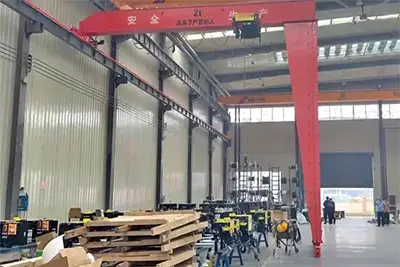
Power plants in Uzbekistan rely on several types of cranes to handle heavy machinery. Each type has advantages depending on load capacity, workspace, and operational requirements.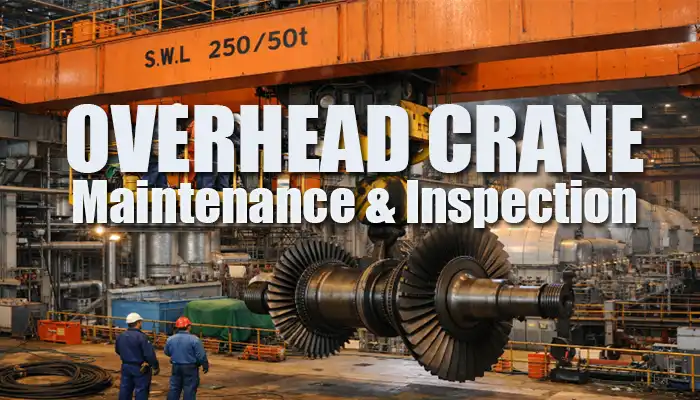
Overhead (EOT) Cranes
Overhead cranes, or Electric Overhead Traveling (EOT) cranes, are the most common in large power plants. They move along elevated tracks and can lift loads ranging from 20 to 200 tons.
Practical details:
- Suitable for heavy equipment assembly and transport within the plant hall.
- Require precise installation of runways and end trucks for smooth operation.
- Can be single or double girder depending on load requirements.
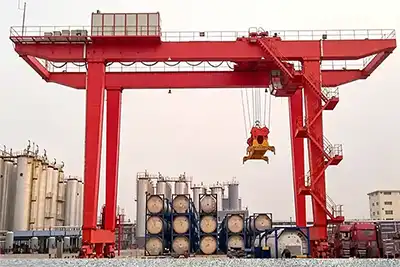
Gantry cranes are freestanding structures that span over outdoor or semi-open areas. They are often used to move heavy components between workshops and storage areas.
Key points:
- Can be fixed or mobile, depending on plant layout.
- Ideal for lifting and transporting transformers, turbines, or large boilers.
- Require strong foundation and precise leveling for stability.
Semi‑gantry and Monorail Cranes
Semi-gantry cranes have one side supported by a wall or structure, which is useful for constrained spaces. Monorail cranes move along a single beam and are effective for transporting lighter loads or components along a fixed path.
Practical notes:
- Semi-gantry cranes save floor space while handling heavy equipment.
- Monorail cranes are ideal for repetitive tasks and narrow pathways.
- Both types require careful planning of travel paths and load limits.
Cranes in power plants are involved in:
- Installation of turbines, generators, and transformers
- Replacement of large pumps, heat exchangers, and boilers
- Handling maintenance materials and spare parts
- Emergency equipment recovery and relocation
These operations demand reliable lifting capacity and precise control to avoid downtime and equipment damage.
Understanding the main components of power plant cranes is essential for effective inspection and maintenance.
Key components include:
- Bridge and Girder: Main load-carrying structure; must be checked for cracks, corrosion, or deformation.
- End Trucks: Support and move the bridge along the runway; require wheel alignment and lubrication.
- Hoist Mechanism: Wire ropes, chains, drums, and motors that lift the load; regular inspection ensures safe operation.
- Trolley: Carries hoist along the bridge; must move smoothly without obstruction.
- Control Systems: Electrical panels, wiring, and limit switches; ensure proper functioning and prevent accidents.
- Safety Devices: Hooks, brakes, and overload sensors; critical for operational safety and compliance.
Practical tip: Always check load-bearing structures first, as these are the most critical for safe operation.
Regulatory Framework and Standards
Compliance with regulations and standards ensures safe, reliable, and legal operation of power plant cranes in Uzbekistan.
In Uzbekistan, the operation and maintenance of power plant cranes are subject to local industrial safety and labor regulations. These rules are designed to protect workers, prevent equipment damage, and ensure continuous plant operations.
Key points for practical application:
- Power plants must follow safety guidelines issued by the State Committee for Industrial Safety and Labor Protection.
- Regular inspections, load testing, and documentation are legally required for cranes over 20 tons.
- Operators and maintenance personnel must be trained and certified according to national occupational standards.
- Plants should establish internal maintenance schedules and emergency response procedures.
Practical advice: Many Uzbek plants maintain detailed logs of inspections and repairs to comply with audits and reduce operational risk. Missing or incomplete records can lead to fines or operational shutdowns.
While Uzbekistan has its national regulations, most power plants also adopt internationally recognized standards for crane safety and maintenance. These standards provide detailed guidelines for design, inspection, and operation, ensuring consistent safety and reliability.
Key international standards include:
- ISO 9927: Guidelines for inspection, maintenance, and operational safety of cranes.
- FEM (Fédération Européenne de la Manutention): Provides best practices for crane design, testing, and load handling.
- OSHA (Occupational Safety and Health Administration): Safety regulations widely used for lifting equipment, including operator training requirements.
- CMAA (Crane Manufacturers Association of America): Standards for construction, operation, and inspection of overhead cranes.
Practical tip: Referencing these standards during maintenance planning helps identify potential risks before they become problems. For example, ISO 9927 provides detailed intervals for inspections based on crane type and usage frequency.
Compliance with both national and international standards is not optional—it's essential for legal operation and insurance coverage. Certification ensures that cranes, operators, and maintenance personnel meet safety and operational requirements.
Important points:
- Crane Certification: Each crane must be certified for its rated load and inspected by qualified personnel.
- Operator Certification: Operators should complete training and pass examinations to demonstrate competence.
- Maintenance Personnel Certification: Technicians performing inspections and repairs must be qualified according to national or international standards.
- Documentation and Audits: Keep detailed records of inspections, maintenance, and repairs. These documents are required for regulatory audits and insurance claims.
Practical advice: Plants that maintain up-to-date certifications and documentation typically experience fewer unplanned shutdowns and have lower accident rates. It's not just about compliance—it's about operational efficiency and safety.
Inspection Requirements
Inspections are essential for safe and reliable crane operation. In power plants, different inspections serve different purposes—from daily checks to detailed yearly evaluations.
Understanding inspection types helps plant teams plan maintenance efficiently.
Pre‑Operation Inspection
Quick daily checks performed before using the crane to catch obvious issues.
- Verify hooks, wire ropes, and chains are intact and properly secured.
- Check brakes, limit switches, and control responsiveness.
- Ensure crane runway and floor area are clear of obstacles.
- Listen for unusual noises during a brief test run.
Periodic Scheduled Inspections
More thorough inspections scheduled weekly or monthly depending on usage.
- Inspect hoist drums, sheaves, and wire rope spooling for wear.
- Check trolley and bridge alignment, including wheel flange and rail contact.
- Verify lubrication of moving components.
- Inspect structural welds and bolts for signs of fatigue or looseness.
Detailed Annual Inspection
Comprehensive inspections often requiring operation shutdown and external verification.
- Full load testing within rated capacity.
- Detailed inspection of all structural members using visual and NDT methods.
- Complete electrical system diagnostics, including control panels and motors.
- Calibration and testing of safety devices such as overload sensors and limit switches.
Special/Condition‑Based Inspections
Performed after unusual events or environmental exposure.
- Heavy storms, floods, or seismic activity.
- Major repairs or modifications.
- Signs of abnormal operation, vibration, or noise.
A systematic inspection ensures no critical part is overlooked.
Structural Integrity (Beams, End Trucks, Support)
- Check for cracks, corrosion, deformation, and misalignment.
- Inspect welds for signs of fatigue or poor quality.
- Verify end trucks move freely without binding.
Hoisting Mechanisms (Hooks, Wire Rope, Chain, Drum)
- Hooks: Check for cracks, bending, and latch function.
- Wire Rope/Chains: Inspect for wear, corrosion, broken strands, and proper spooling.
- Drums and Sheaves: Ensure proper alignment and lubrication; check for grooves or damage.
Trolleys, Wheels, and Rails
- Examine wheel tread and flanges for wear.
- Check rail alignment and secure fastening to the foundation.
- Ensure smooth travel without vibration or wobbling.
Electrical Systems (Control Panels, Cables, Motors)
- Inspect wiring for insulation damage and loose connections.
- Test motors, brakes, and control responsiveness.
- Verify proper function of limit switches and emergency stops.
Safety Devices (Limit Switches, Brakes, Alarms)
- Test load limiters and emergency brakes under controlled conditions.
- Inspect alarms, horns, and indicator lights for visibility and audibility.
- Ensure all safety interlocks operate correctly.
Every inspection should end with a clear decision: accept or reject the crane for operation.
Acceptance criteria:
- No visible structural damage or deformation.
- All mechanical and electrical systems operate within design parameters.
- Safety devices function correctly and alarms respond as intended.
Rejection criteria:
- Cracks, severe corrosion, or deformation in load-bearing components.
- Broken, frayed, or improperly spooled wire ropes or chains.
- Malfunctioning brakes, limit switches, or control systems.
- Any condition that could compromise load handling or operator safety.
Practical advice: Document every inspection, noting observations, corrective actions, and approval. Accurate records help with audits, maintenance planning, and avoiding repeat issues.
Maintenance Strategies
Maintenance is not just about keeping cranes running—it's about preventing unexpected failures, improving safety, and reducing costly downtime. Power plant cranes (20–200 tons) require a combination of preventive, predictive, and corrective maintenance to stay reliable.
Preventive maintenance focuses on routine tasks designed to catch problems early before they cause downtime or accidents. Frequency depends on usage, environmental conditions, and load cycles.
Daily and Weekly Tasks
- Check for unusual noises during operation.
- Inspect hooks, chains, and wire ropes for wear, fraying, or deformation.
- Verify brakes, limit switches, and emergency stops work correctly.
- Ensure lubrication points are greased, especially on trolleys and end trucks.
- Clean debris from rails, wheels, and moving components.
Monthly and Quarterly Tasks
- Inspect structural components for cracks, corrosion, or loose bolts.
- Check alignment of bridge, trolley, and runway.
- Test hoist drum, sheaves, and rope spooling under light load conditions.
- Perform electrical checks: control panel connections, motor insulation, and cable integrity.
- Verify calibration of overload protection systems and limit switches.
Predictive maintenance uses data from sensors and monitoring systems to forecast potential failures. This prevents unexpected downtime and extends equipment life.
Vibration Monitoring
- Use vibration sensors on motors, gearboxes, and bearings.
- Identify abnormal vibration patterns that indicate misalignment, worn bearings, or gear issues.
- Schedule maintenance before failure occurs, minimizing downtime.
Thermography and Load Monitoring
- Thermographic inspections detect overheating in motors, electrical connections, and brakes.
- Load monitoring ensures the crane is not subjected to overloading, which can cause premature wear or failure.
- Collecting data over time helps track trends and plan preventive actions.
Corrective maintenance is reactive—it happens after a problem is identified. Preventive and predictive measures reduce the need, but some corrective actions are unavoidable.
- Always assess the cause of failure to prevent recurrence.
- Replace worn or damaged components promptly.
- Only resume operation after full functional and safety checks.
Practical advice: Combine corrective actions with updated inspection records to identify recurring issues or systemic problems.
Effective maintenance requires planning. Uncoordinated tasks can lead to downtime or missed inspections.
- Develop an annual maintenance calendar covering daily, weekly, monthly, and yearly tasks.
- Include predictive monitoring schedules for vibration, thermography, and load tracking.
- Assign responsibilities clearly to operators, technicians, and supervisors.
- Keep detailed records of all maintenance actions, including parts replaced, calibration results, and inspection notes.
Practical note: A well-structured schedule ensures cranes operate reliably, reduces emergency repairs, and aligns with Uzbekistan regulatory requirements.
Detailed Maintenance Procedures
Proper maintenance of power plant cranes (20–200 tons) ensures safety, reliability, and long-term performance. This section breaks down maintenance tasks for hoisting, structural, mechanical, and electrical systems.
The hoisting system is the heart of a crane. Regular maintenance prevents load failures and ensures smooth, precise lifting operations.
Wire Rope and Chain Inspection & Replacement Criteria
- Inspect for broken strands, kinks, corrosion, and excessive wear.
- Measure rope diameter regularly; replace if reduced beyond manufacturer limits.
- Chains should be checked for elongation, corrosion, and damaged links.
- Lubricate wire ropes as per manufacturer's instructions to prevent corrosion.
Practical tip: Replace worn ropes or chains immediately; using compromised lifting elements is a common cause of accidents.
. Drum, Sheaves, and Hook Maintenance
- Inspect drums for grooves, cracks, or misalignment.
- Check sheaves for wear and proper lubrication; ensure proper rope seating.
- Examine hooks for cracks, bending, and functioning of safety latches.
- Verify hoist brakes engage smoothly and hold rated load.
Structural integrity is critical to prevent catastrophic failures.
Inspection for Cracks, Deformation, Corrosion
- Inspect girders, end trucks, and support beams visually and using non-destructive testing when necessary.
- Look for corrosion, paint deterioration, or deformations caused by overloading.
- Check for loose or missing bolts and fasteners.
Welding and Reinforcement Practices
- Welds showing cracks or fatigue should be repaired according to engineering standards.
- Reinforce areas under repeated stress or impact.
- Avoid temporary fixes; always follow manufacturer and structural guidelines.
Mechanical components transmit movement and bear loads. Proper care prevents wear and downtime.
Gearboxes, Bearings, and Lubrication
- Inspect gearboxes for oil leaks and unusual noises.
- Check bearings for smooth rotation and signs of overheating.
- Apply recommended lubrication regularly; over- or under-lubrication can cause damage.
Wheel and Rail Alignment
- Inspect crane wheels for wear and proper flange contact.
- Verify rail alignment; misalignment increases wear and vibration.
- Adjust wheels and rails as necessary to ensure smooth trolley and bridge movement.
Electrical systems control the crane and ensure operational safety. Regular maintenance prevents failures and downtime.
Motor and Brake System Checks
- Test crane motors for overheating, unusual noise, and vibration.
- Inspect brakes for wear and proper engagement; adjust or replace as needed.
- Confirm emergency brake function under load.
Control System Diagnostics
- Test all control panels, push buttons, and remote control systems.
- Inspect limit switches, contactors, and relays for proper operation.
- Verify safety interlocks function correctly and prevent unsafe movements.
Cable and Conductor Care
- Inspect all cables for insulation damage, cracks, or exposure.
- Replace frayed or worn cables immediately.
- Ensure proper routing to prevent chafing or pinching.
Practical note: Keeping electrical systems well-maintained reduces operational risks and improves crane response during precise lifting operations.
Safety and Risk Management
Safety is the foundation of power plant crane operations. Even the strongest crane can become a hazard without proper risk management. This section covers practical steps to minimize risks and protect personnel.
Before any maintenance or lifting operation, a thorough risk assessment is essential. This helps identify potential hazards and prevent accidents.
- Evaluate the working area for obstructions, overhead hazards, and environmental risks.
- Assess the load characteristics: weight, size, and center of gravity.
- Identify potential failure points, such as worn ropes, damaged hooks, or misaligned rails.
- Consider human factors: operator fatigue, inexperience, or insufficient communication.
Practical tip: Conduct risk assessments regularly, not just before new projects. Small changes in workflow or environment can introduce new hazards.
LOTO procedures ensure that cranes and related equipment are completely de-energized during maintenance.
- Isolate power sources and confirm equipment cannot move unexpectedly.
- Use clearly visible locks and tags on electrical panels and control devices.
- Train all personnel on proper LOTO procedures and enforce strict compliance.
- Verify energy isolation before starting any maintenance work.
Practical note: LOTO compliance prevents accidental start-ups, one of the leading causes of maintenance injuries.
Proper PPE protects operators, inspectors, and maintenance staff from hazards.
- Hard hats and safety goggles to protect against falling objects and debris.
- Safety gloves for handling ropes, chains, and sharp edges.
- High-visibility clothing to ensure workers are seen by crane operators.
- Steel-toed boots to protect against heavy equipment and materials.
- Hearing protection in high-noise areas, especially near motors and gearboxes.
Practical tip: Always check PPE condition before use; worn or damaged equipment reduces protection.
A robust reporting system ensures lessons are learned from near-misses or accidents, preventing future occurrences.
- Document all incidents, including minor near-misses, with time, location, and cause.
- Analyze the root cause of the incident: equipment failure, procedural lapse, or human error.
- Apply corrective actions, such as component replacement, procedural updates, or retraining.
- Review and update safety protocols regularly based on feedback from incidents.
Practical advice: Encouraging a culture of reporting and proactive safety helps reduce risks and improves overall plant efficiency.
Documentation and Record Keeping
Accurate documentation is as important as the physical maintenance itself. Proper records ensure compliance with regulations, help track equipment health, and provide a clear history for audits and future planning.
Standardized reporting templates make inspections consistent and actionable. They also simplify communication between operators, technicians, and management.
- Include fields for crane identification, inspection date, inspector name, and type of inspection (daily, monthly, annual).
- Record observations for each system: structural, mechanical, hoisting, electrical, and safety devices.
- Note any defects, corrective actions taken, and parts replaced.
- Use checklists to ensure no critical component is overlooked.
Tip: Digital templates or mobile-based inspection apps can speed up data collection and improve accuracy.
Maintenance logs document all preventive, predictive, and corrective actions. These logs help track trends, identify recurring problems, and plan future maintenance.
- Record date, personnel, tasks performed, and parts used.
- Include test results for brakes, motors, load tests, and limit switches.
- Note lubrication schedules, alignments, and any adjustments made.
- Highlight any issues detected and how they were resolved.
Practical advice: Consistently updated logs allow managers to make informed decisions on crane usage, scheduling, and replacement planning.
In Uzbekistan, power plants must retain inspection and maintenance records for regulatory compliance and internal audits.
- Keep records for at least 3–5 years or as required by local regulations.
- Store both digital and physical copies to prevent data loss.
- Ensure documents are easily accessible for auditors and safety inspectors.
- Review records periodically to ensure maintenance procedures align with standards and manufacturer recommendations.
Practical tip: Well-organized documentation not only supports compliance but also helps improve safety culture and reduces unplanned downtime.
Training and Competency Requirements
Skilled personnel are critical for safe and efficient operation of power plant cranes (20–200 tons). Even the best-maintained crane can pose risks if operators or maintenance staff lack proper training.
Inspectors and maintenance technicians must be trained to recognize defects, perform repairs safely, and follow standardized procedures.
- Certification should cover crane types, load limits, inspection techniques, and safety procedures.
- Technicians should be proficient in mechanical, electrical, and structural systems of cranes.
- Refresher courses help personnel stay updated on new standards, equipment, and safety protocols.
- Maintaining certification records is essential for compliance with Uzbek regulations and international standards.
Operators are the front line of crane safety. Proper training ensures smooth operation and minimizes accidents.
- Familiarity with crane controls, load charts, and operational limits.
- Pre-operation checks and daily inspection routines.
- Safe load handling techniques, including lifting, moving, and placing heavy components.
- Emergency procedures, such as power loss, overload, or equipment failure.
Practical advice: Refresher programs should be scheduled periodically, especially after equipment upgrades or procedural changes, to reinforce safe practices.
Uzbekistan mandates compliance with national safety and industrial regulations for crane operators and maintenance staff.
- Operators and technicians may require certification through local vocational programs or authorized training centers.
- Training programs should align with State Committee guidelines for industrial safety and labor protection.
- Keeping records of completed courses and certifications is mandatory for audits.
- Local regulations may also require specialized courses for handling high-capacity cranes in power plants.
Practical note: Investing in well-trained staff reduces accidents, minimizes downtime, and improves overall crane performance while ensuring regulatory compliance.
Challenges and Solutions in Uzbekistan
Operating and maintaining power plant cranes (20–200 tons) in Uzbekistan comes with unique challenges. Understanding these issues and implementing practical solutions can improve safety, reliability, and efficiency.
Uzbekistan experiences extreme weather conditions, including high summer temperatures, dust, and occasional cold winters. These factors can affect crane performance and lifespan.
- High temperatures may cause motor overheating and lubricant breakdown.
- Dust and sand can accumulate on rails, wheels, and electrical contacts, leading to increased wear and malfunction.
- Cold conditions can affect hydraulic and mechanical components.
Solutions:
- Install protective covers or enclosures for motors, hoists, and electrical panels.
- Implement regular cleaning and lubrication schedules, especially in dusty conditions.
- Monitor temperature-sensitive components and adjust operation schedules if necessary.
Availability of spare parts in Uzbekistan can be limited, leading to downtime if components fail unexpectedly.
- Keep critical spare parts in stock, including wire ropes, chains, brakes, limit switches, and control components.
- Partner with reliable local or international suppliers who can deliver within reasonable lead times.
- Consider modular crane designs that allow easier replacement of worn parts.
Tip: Maintaining a well-planned spare parts inventory reduces emergency procurement and keeps cranes operational.
While Uzbekistan has skilled engineers, specialized expertise for high-capacity cranes may be limited, especially for advanced electrical or predictive maintenance systems.
- Conduct regular training and certification programs for local maintenance personnel.
- Work with crane manufacturers for on-site support during installation, major repairs, or upgrades.
- Implement clear maintenance manuals and checklists to guide technicians in daily and periodic tasks.
Practical advice: Developing local expertise ensures long-term sustainability and reduces dependence on external service providers.
Learning from practical experience can help plants avoid common mistakes.
- Transformer Handling in Tashkent Plant: Regular pre-operation checks and scheduled maintenance prevented unscheduled downtime during heavy transformer lifts.
- Dust Mitigation in Thermal Plants: Installing protective motor covers and implementing weekly rail cleaning significantly reduced wear on trolleys and wheels.
- Operator Training Programs: Refresher courses and certification led to zero operator-related incidents over two years in a major hydro plant.
Practical takeaway: Combining structured maintenance, proactive training, and environmental mitigation leads to safer, more reliable crane operations.
Conclusion and Recommendations
Proper maintenance and inspection of power plant cranes (20–200 tons) are critical to ensure safe, reliable, and efficient operations in Uzbekistan. A structured approach benefits both personnel safety and operational continuity.
Key Takeaways
- Regular inspections, preventive and predictive maintenance prevent unexpected failures and accidents.
- Understanding crane types, components, and load-bearing systems is essential for effective upkeep.
- Safety protocols, including LOTO, PPE, and incident reporting, reduce risks and improve compliance.
- Skilled, certified operators and technicians are crucial for safe and reliable crane performance.
- Local challenges, such as climate, spare parts availability, and technical expertise, require proactive planning.
Implementation Roadmap for Power Plants
- Assessment: Review all existing cranes and maintenance practices.
- Planning: Develop an inspection and maintenance schedule covering daily to annual tasks.
- Training: Certify operators and technicians according to Uzbekistan regulations and international standards.
- Execution: Perform inspections, preventive, and predictive maintenance as scheduled.
- Monitoring: Track crane performance, incidents, and maintenance outcomes.
- Continuous Improvement: Update procedures, training, and spare parts strategy based on performance data.
Metrics for Evaluating Maintenance Effectiveness
- Downtime Reduction: Track unplanned crane stoppages.
- Load Handling Accuracy: Monitor incidents or near-misses during lifting operations.
- Inspection Compliance: Percentage of scheduled inspections completed on time.
- Safety Performance: Number of accidents or unsafe events reported.
- Component Lifespan: Average service life of wire ropes, chains, motors, and brakes.
Practical tip: Using these metrics allows plants to adjust maintenance strategies and ensure both compliance and operational efficiency.
Appendices
Sample Inspection Checklists
- Daily, weekly, monthly, and annual inspection templates covering structural, mechanical, hoisting, electrical, and safety components.
Maintenance Schedule Templates
- Example calendars for preventive, predictive, and corrective maintenance tasks.
- Space for recording dates, personnel, tasks performed, and parts replaced.
Reference Standards and Regulatory Documents
- Uzbekistan industrial safety and labor regulations for cranes.
- International standards: ISO 9927, CMAA, FEM guidelines, OSHA lifting equipment safety regulations.
- Manufacturer manuals and recommended maintenance procedures.
Practical note: Including appendices allows power plants to implement a structured, compliant, and efficient maintenance program while keeping records organized for audits and operational reviews.