Shipbuilding gantry cranes for hull and deck modules
Shipbuilding Gantry Cranes: Managing Hull Sections and Deck Modules
Overview of Shipbuilding Gantry Cranes in Modern Shipyards
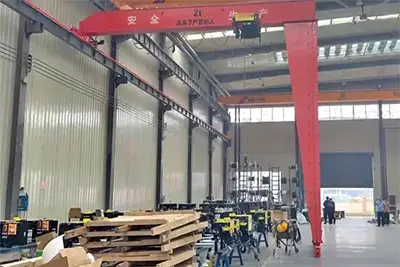
In today’s shipyards, gantry cranes are the backbone of heavy lifting operations. They are large, overhead cranes that span the width of the ship assembly area and are capable of moving extremely heavy ship sections with precision. These cranes are commonly used for lifting and positioning hull blocks, deck modules, and other large components during the assembly of vessels.
- Rail-mounted or rubber-tyred variants allow flexibility depending on the yard layout.
- Capacities often range from tens to hundreds of tons, depending on the size of the ship being constructed.
- Modern cranes can cover long spans to accommodate multiple blocks being assembled simultaneously.
In short, gantry cranes aren’t just lifting machines—they are essential for coordinating the workflow in a busy shipyard.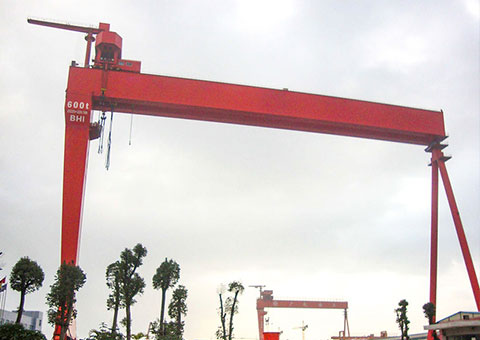
shipbuilding gantry cranes up to 2000 ton for sale , tailored for your yards
Importance of Efficient Handling of Hull Sections and Deck Modules
Handling hull sections and deck modules efficiently can save time, reduce costs, and prevent material damage. Hull blocks are often heavy, irregularly shaped, and difficult to maneuver. Deck modules, such as cabins, piping systems, and superstructures, require careful alignment for proper installation.
- Properly synchronized crane movements reduce the risk of tilting or twisting large sections.
- Using the right lifting tools, like spreader bars, clamps, and slings, ensures the load is distributed evenly.
- Faster, safer handling means assembly can progress without waiting for specialized equipment or additional manpower.
Efficient handling isn’t just about speed; it’s about keeping the entire shipbuilding process smooth, from fabrication to final assembly.
Key Challenges in Ship Construction Logistics
Moving massive hull sections and deck modules in a shipyard comes with unique challenges. Shipyards often operate in tight spaces, and coordinating multiple cranes, teams, and transport vehicles can get tricky. Environmental factors, like wind or uneven surfaces, can also impact crane operations.
- Heavy loads need careful balance and planning before every lift.
- Coordinating multiple teams for simultaneous lifts is crucial to avoid delays or accidents.
- Modules and hull blocks must often be moved from storage areas to assembly lines, sometimes over long distances within the yard.
- Safety is paramount: any error can cause damage to the structure or pose risks to workers.
Types of Shipbuilding Gantry Cranes
Tailored Shipyard Gantry Cranes
Not all gantry cranes are built the same. In shipyards, the type of crane you choose depends on your workflow, yard layout, and the size of ships being constructed. Two main variants are commonly used: rail-mounted gantry cranes and rubber-tyred gantry cranes. Each has its own strengths and practical applications.
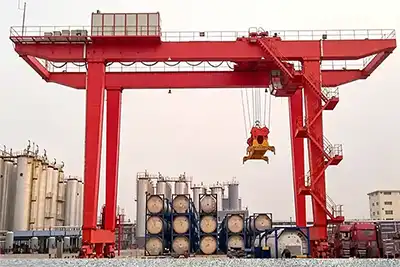
- Rail-Mounted Gantry Cranes (RMG): These cranes run on fixed rails, usually installed along the length of the assembly area. They are ideal for long-term operations in large shipyards where heavy hull blocks are lifted repeatedly along the same path. Their fixed track provides high stability and precise positioning for large modules.
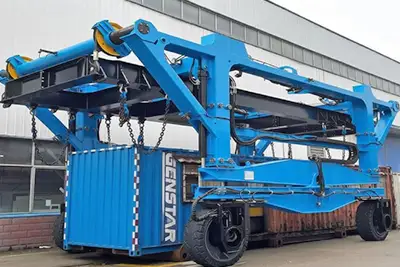
- Rubber-Tyred Gantry Cranes (RTG): These are more flexible, as they can move independently across the yard. RTGs are useful in shipyards where space is limited or when the layout changes frequently. They can lift modules and sections without the need for extensive rail infrastructure.
Choosing between rail-mounted and rubber-tyred cranes often comes down to yard size, movement requirements, and long-term investment. Sometimes, a combination of both types is used to balance flexibility and heavy-duty performance.
Typical Lifting Capacities for Hull Sections and Deck Modules
Shipbuilding gantry cranes must handle extremely heavy and irregular loads. Understanding typical lifting capacities helps in planning operations and selecting the right equipment for your shipyard.
- Hull sections, especially midship blocks, can weigh anywhere from 50 to 300 tons, depending on the ship type.
- Deck modules like cabins, piping units, or superstructures can range from 10 to 100 tons per module.
- Dual-hoist systems or cranes with spreader beams are often required for longer or unbalanced loads.
- For very large vessels, some gantry cranes are designed to lift up to 500 tons or more, allowing multiple modules to be moved simultaneously.
Handling Hull Sections
Hull sections, also called blocks, are the building blocks of a ship's structure. They come in different shapes and sizes, depending on their position in the vessel. Bow sections are typically curved and narrower, stern sections may include propeller tunnels or rudder foundations, and midship blocks are generally the largest and heaviest. Knowing the type and size of each section is crucial for planning lifts and choosing the right crane configuration.
- Bow sections: Curved, lighter than midship blocks, require careful handling to prevent distortion.
- Stern sections: May contain complex structures; lifting requires precision and planning.
- Midship sections: Largest and heaviest; often need dual-hoist or synchronized lifts.
Proper weight distribution is key to preventing accidents and damage. Hull blocks are heavy and sometimes irregular in shape, so uneven lifting can cause tilting, bending, or even structural failure. Before lifting, calculate the center of gravity and determine optimal lifting points.
- Always assess load distribution across hoists and spreader beams.
- Use lifting diagrams or software to plan positions for clamps and slings.
- Adjust the crane setup if a block is asymmetrical or includes additional equipment like piping or reinforcement plates.
The right lifting tools make a big difference in safety and efficiency. Clamps, slings, and spreader bars are used to distribute the load evenly and protect the hull's integrity during lifts.
- Clamps: Grip the edges of the hull block securely without damaging the steel surface.
- Slings: Can be wire rope or synthetic; adjust length to match the block's geometry.
- Spreader bars: Reduce stress on long sections and prevent twisting.
- Inspect all lifting accessories before each operation to ensure they are in good condition.
When lifting large midship blocks, a single hoist is often not enough. Dual or multiple hoists are synchronized to lift the block evenly, preventing bending or sagging.
- Synchronization can be manual (operator skill) or automated (control systems).
- Ensure both hoists lift at the same speed and start/stop simultaneously.
- Verify that spreader bars and lifting points are correctly aligned with hoists.
Hull sections are expensive and structurally critical, so safety is paramount. Improper handling can lead to costly damage and production delays.
- Always check weight and lifting points before the lift.
- Keep personnel clear of the lifting area.
- Avoid sudden movements or swings; lift slowly and steadily.
- Monitor environmental conditions, such as wind, which can affect long or high blocks.
Handling Deck Modules
Deck modules are often pre-fabricated sections of a ship that are lifted and installed onto the hull. These modules can include superstructures, cabins, piping units, or mechanical compartments. Each type varies in size, weight, and complexity, so understanding their characteristics is essential for safe handling.
- Superstructures: Include bridge sections, control rooms, or crew areas; often bulky but not as heavy as midship hull blocks.
- Cabins: Can contain furniture, wiring, or plumbing; require careful positioning to align with the hull.
- Piping units and mechanical modules: May contain heavy equipment; lifting points must account for internal components.
Deck modules are often assembled on the ground or in a staging area before being lifted onto the ship. Pre-assembly allows modules to be completed with piping, wiring, or finishing work, reducing time on the hull. Effective lifting strategies ensure safe transport and precise placement.
- Use cranes with sufficient span and capacity to cover the installation area.
- Plan lift sequences to prevent modules from interfering with each other.
- Mark lifting points clearly and verify weight distribution before each lift.
Modules can differ significantly in size and weight, requiring adjustments to the crane and lifting accessories. The right setup ensures stability and prevents overloading.
- Adjust hoist positions and trolley movement to match the module's center of gravity.
- Use spreader bars or multi-point slings for long or unbalanced modules.
- Verify that lifting accessories, such as shackles and hooks, are rated for the module's weight.
Shipyards are busy environments with multiple teams and equipment in motion. Collision prevention is crucial to avoid damage to modules and surrounding structures.
- Establish clear communication between crane operators, riggers, and ground staff.
- Maintain safe distances between modules during lifts.
- Lift modules slowly and position them precisely before lowering onto the hull.
- Use guide ropes or tag lines to control movement and prevent swinging.
Operational Best Practices
Every successful lift starts long before the crane moves. Pre-lift planning ensures that the crane, rigging, and lifting accessories are properly set up for the weight and geometry of the load. Accurate load calculations prevent overloading and ensure safe handling.
- Determine the exact weight and center of gravity for each hull section or deck module.
- Select the right hoist, spreader beam, and lifting points.
- Create a step-by-step lift plan including approach, lift path, and placement.
- Consider environmental factors like wind, rain, or uneven surfaces that may affect stability.
Practical tip: Document the lift plan and review it with operators and riggers before starting. A well-prepared plan saves time and avoids costly errors.
Some modules are too long or heavy for a single crane. In these cases, multiple cranes must work in unison. Coordination is critical to avoid twisting, bending, or collisions.
- Synchronize hoists to lift evenly, especially for long midship blocks.
- Communicate clearly between operators using radios or hand signals.
- Use a lifting supervisor to monitor each crane's movement and ensure alignment.
- Conduct trial lifts with a lighter weight to confirm synchronization before moving the full load.
Efficient crane operation is not just about lifting—it's about timing. Proper scheduling reduces idle time, prevents bottlenecks, and keeps the assembly line moving smoothly.
- Plan lifts in sequence to minimize crane travel distances.
- Group lifts by area or module type to avoid repeated repositioning of cranes.
- Coordinate with ground transport, welding, and assembly teams to reduce waiting time.
Pro tip: Use software or digital scheduling tools to visualize crane movements and avoid clashes between multiple operations.
Cranes in shipyards operate under heavy loads daily, making maintenance a top priority. Routine checks extend crane life and reduce unexpected downtime.
- Inspect hoists, wire ropes, chains, and hooks for wear or damage.
- Lubricate moving parts, including trolleys, wheels, and bearings.
- Test brakes, limit switches, and emergency stop systems regularly.
- Keep a log of maintenance activities for reference and compliance with safety standards.
Skilled operators are the foundation of safe crane operations. Proper training ensures that operators understand both the crane's capabilities and the risks of lifting heavy modules.
- Operators should be certified for the specific type and capacity of crane they handle.
- Training should include load handling, emergency procedures, and communication protocols.
- Regular refresher courses help operators stay up to date with safety regulations and equipment updates.
Real-time monitoring of the load prevents accidents and protects both workers and the ship modules.
- Load cells or weight indicators show the actual weight being lifted.
- Limit switches prevent the hoist from moving beyond safe vertical or horizontal limits.
- Monitor for signs of overload, uneven lifting, or mechanical stress during each operation.
Even with careful planning, emergencies can happen. Reliable fail-safe systems minimize damage and risk to personnel.
- Emergency stop buttons should be accessible to operators and supervisors.
- Brakes and hoist systems must automatically engage in case of power failure.
- Backup power systems ensure critical lifts can be controlled safely during outages.
Every worker near a crane must be protected. PPE and strict safety protocols are essential for preventing injuries.
- Hard hats, steel-toed boots, gloves, and high-visibility clothing are mandatory.
- Keep clear zones around crane operation areas to prevent accidental contact with swinging loads.
- Use safety harnesses for personnel working at height during module installation.
- Conduct regular safety briefings and toolbox talks before major lifts.
Buyer and Engineer Considerations
Choosing the correct crane capacity is critical for safe and efficient shipbuilding operations. Lifting too heavy a load with an undersized crane can cause accidents, while over-specifying can increase unnecessary costs. Span—the distance between the crane's supports—also affects workflow and coverage.
- Calculate the heaviest hull blocks and deck modules your crane will handle regularly.
- Consider maximum span requirements to cover all assembly areas without moving cranes excessively.
- Factor in future vessel sizes or heavier modules that may require more capacity.
- Assess whether a single or multiple cranes are needed to handle simultaneous lifts efficiently.
Practical tip: It's better to slightly oversize the crane for future flexibility than to buy a crane that barely meets current needs.
Shipyards often have unique requirements based on layout, module sizes, and production workflow. Customization ensures the crane matches your operations rather than forcing you to adapt your processes.
- Custom hoist arrangements for long or unbalanced loads.
- Adjustable trolleys and spreader beams to handle varying module dimensions.
- Special coatings or weatherproofing for outdoor yards.
- Integration with automation or remote-control systems for precise positioning.
Note: Discuss specific lifting scenarios with the manufacturer to ensure the crane is configured for your most challenging modules.
Dual hoists can lift long or heavy sections more safely, but they come with higher costs and maintenance requirements. Single hoists may suffice for smaller or lighter modules and can be more economical for smaller shipyards.
- Single hoist systems: Lower initial cost, easier maintenance, suitable for small- to medium-sized modules.
- Dual hoist systems: Higher capacity and stability, necessary for large midship blocks or long deck modules.
- Consider the frequency of heavy lifts; if it's occasional, a single hoist may be sufficient with careful planning.
Practical tip: Evaluate your lifting patterns over a typical production cycle to determine the most cost-effective choice without compromising safety.
Shipyards evolve over time, and so do the ships they produce. Planning for future growth ensures your crane investment remains useful for years to come.
- Consider modular crane designs that allow future capacity upgrades.
- Ensure crane foundations and runway beams can support heavier loads in the future.
- Account for potential expansion of assembly areas or additional cranes.
- Review local regulations and safety standards for future compliance.
Advice: Think long-term when selecting capacity and span. A slightly larger investment now can prevent expensive retrofits later.
Conclusion
Summary of the Role of Gantry Cranes in Modern Shipbuilding
Gantry cranes are central to the construction of modern ships. They enable the safe, precise, and efficient movement of heavy hull sections and deck modules. Without these cranes, assembling large vessels would be slow, labor-intensive, and risk-prone. From midship blocks to pre-fabricated superstructures, gantry cranes make the complex task of shipbuilding manageable and repeatable.
- Facilitate lifting and positioning of heavy, irregular modules.
- Reduce manual labor and improve workflow consistency.
- Allow simultaneous handling of multiple sections for faster assembly.
Emphasis on Safety, Precision, and Operational Efficiency
The benefits of gantry cranes are fully realized only when safety and operational best practices are prioritized. Precision during lifting prevents damage to modules, while careful planning and operator training reduce the risk of accidents. Efficiency comes from coordinating lifts, maintaining equipment, and optimizing crane movements.
- Proper planning and load calculations prevent overloading and module deformation.
- Synchronized dual hoists handle long or heavy sections safely.
- Routine maintenance ensures cranes operate reliably over time.
Final Recommendation: Invest in the Right Crane Type, Trained Operators, and Maintenance Programs
Selecting the right crane, based on capacity, span, and module types, is a long-term investment in productivity and safety. Equally important is investing in skilled operators and regular maintenance programs. Together, these elements ensure that shipyard operations run smoothly, safely, and efficiently for years to come.
- Choose cranes that match current and future shipbuilding needs.
- Train operators on both equipment and safety procedures.
- Implement a proactive maintenance schedule to minimize downtime.
- Review operations periodically to identify improvements in workflow and safety.
A well-chosen and properly maintained gantry crane, operated by trained personnel, is the foundation of safe and efficient shipbuilding.