2–50 Ton Overhead Cranes for Workshop Maintenance Efficiency
Introduction
Overhead cranes are one of the most important tools in modern workshops. Whether you run a manufacturing plant, a shipyard, or an industrial maintenance facility, having a reliable lifting system can make a huge difference in daily operations. These cranes are not just about moving heavy objects—they allow you to work smarter, safer, and more efficiently.
For maintenance tasks, precision, safety, and productivity are critical. When you’re lifting machinery, motors, or large equipment, even a small mistake can damage the machine or injure personnel. That’s why modern overhead cranes are designed to offer precise control over movement, smooth lifting, and reliable stopping positions. They help your team perform inspections, repairs, and equipment servicing with confidence.
Typical industries that rely on overhead cranes for maintenance include:
- Manufacturing Plants – handling machines, molds, presses, and production line components.
- Industrial Facilities – servicing pumps, compressors, motors, and heavy mechanical parts.
- Shipyards – lifting engines, hull sections, and propellers during repair or installation.
- Large Facilities and Warehouses – moving HVAC units, transformers, or other heavy equipment for regular maintenance.
Using an overhead crane isn’t just about lifting weight. It’s about making maintenance work faster, safer, and more manageable, even in tight or complex workshop spaces. With the right setup, your team can save time, reduce risk, and keep machines running in top condition.
Why Overhead Cranes Are Essential for Workshop Maintenance
In any workshop, maintenance work often involves moving heavy machinery or components. Without proper lifting equipment, teams rely on manual handling or forklifts, which can be slow, risky, and sometimes impossible in tight spaces. Overhead cranes take on this challenge, making lifting and positioning much safer and more manageable.
Using an overhead crane helps reduce workplace injuries. Workers no longer need to push, pull, or lift heavy parts manually. Even moderately heavy equipment, when handled incorrectly, can cause strains or accidents. A well-installed crane keeps the load stable, controlled, and secure, protecting both the staff and the machinery.
Overhead cranes also increase efficiency in workshop operations. Instead of moving machines piece by piece or using multiple tools, the crane can lift, position, and lower equipment in one smooth motion. This reduces downtime and allows maintenance teams to complete tasks faster.
Additionally, overhead cranes allow precise lifting for delicate or high-value equipment. Some machines, motors, or molds are sensitive and require exact positioning. With adjustable speeds, smooth acceleration, and precise stopping points, cranes let operators handle equipment carefully without risk of impact or misalignment.
They are also invaluable for supporting both routine and emergency maintenance operations. For example:
- Routine maintenance: lifting motors, compressors, or pumps for inspection and lubrication.
- Emergency repairs: quickly removing a failed machine from the production line to minimize downtime.
- Relocation of equipment: moving heavy components across the workshop without disassembly.
- Installation or replacement of parts: handling engines, molds, or mechanical assemblies safely and accurately.
In short, overhead cranes are not just lifting tools—they are essential support systems that make workshop maintenance safer, faster, and more precise, helping teams handle machinery of all sizes with confidence.
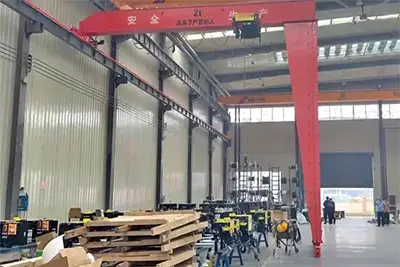
overhead crane for machinery mainteance with high precision
Common Workshop Maintenance Tasks Requiring Overhead Cranes
Overhead cranes are not just heavy lifting tools—they are essential for keeping workshop maintenance smooth and safe. Many tasks in modern workshops involve equipment that is too heavy or bulky for manual handling or forklifts. That’s where cranes come in, giving technicians the control and stability they need to handle machines efficiently.
Here are some of the most common maintenance tasks where overhead cranes are crucial:
- Machine Installation & Relocation: Positioning heavy equipment accurately. Cranes allow precise placement without disassembling machines or using multiple lifting tools. This helps ensure proper alignment and reduces the risk of damage.
- Routine Maintenance & Inspection: Lifting machines or components for cleaning, lubrication, and checks. Cranes provide safe access to hard-to-reach areas, like the underside of presses, motors, or pumps, speeding up routine maintenance.
- Repairs & Overhauls: Handling heavy parts for servicing or replacement. Cranes stabilize gearboxes, pump assemblies, or other worn components, making repairs safer and more efficient.
- Component Replacement: Replacing motors, molds, rollers, or other large parts. Cranes hold heavy components steadily while technicians align and secure them, ensuring accuracy and reducing injury risk.
- Emergency Lifting Tasks: Quick handling of equipment to reduce downtime. Cranes allow rapid removal or repositioning of failed machinery, keeping production moving while minimizing hazards.
In short, overhead cranes are indispensable in workshops. They not only make heavy lifting safer but also improve efficiency and precision, allowing teams to perform maintenance tasks effectively and keep machinery running reliably.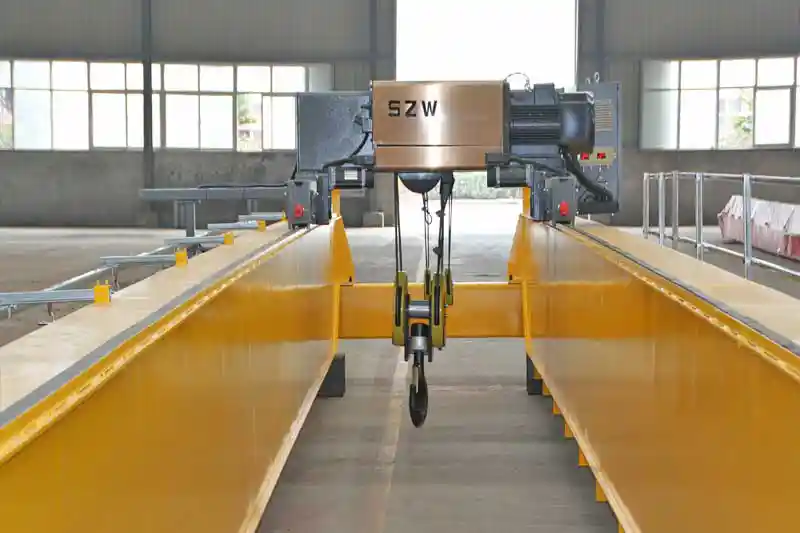
Overhead crane for heavy machinery maintenance
Key Features of Overhead Cranes for Workshop Maintenance
Not all overhead cranes are created equal, and for workshop maintenance, certain features make a real difference. A crane designed for heavy lifting is one thing, but a crane that allows precise, safe, and efficient handling of machinery is what keeps a workshop running smoothly. Choosing the right features ensures that your team can handle both light and heavy maintenance tasks with confidence.
Some of the key features to look for in workshop maintenance cranes include:
- Precision Control: Variable frequency drives (VFD) and smooth acceleration and deceleration allow operators to move equipment carefully. This is critical when handling delicate machines or aligning components during installation or repairs.
- Adequate Load Capacity: Workshop cranes typically handle loads from 1–50 tons, depending on the type of machinery and tasks. Choosing the right capacity ensures safety and avoids overloading, which can damage both equipment and crane components.
- Flexible Span & Lifting Height: Single or double girder designs allow the crane to cover the entire workshop layout. Adjustable lifting height ensures access to high or awkward areas without additional lifting devices.
- Safety Systems: Overload protection, anti-sway devices, limit switches, and emergency stops provide multiple layers of protection for operators and equipment. Safety features reduce accidents and keep maintenance work efficient.
- Durable & Low-Maintenance Design: Cranes built for frequent use in workshops are designed to operate reliably over time. Low-maintenance components save both downtime and service costs, which is important for busy industrial environments.
- Specialized Attachments: Hooks, slings, magnets, or clamps allow for safe, precise handling of specific equipment. These attachments help operators lift irregularly shaped or delicate loads without risk of damage.
Having the right combination of these features ensures your overhead crane is not just a lifting tool but a reliable partner in workshop maintenance. It makes everyday tasks easier, faster, and safer, keeping machines running and maintenance teams productive.
Choosing the Right Crane for Workshop Maintenance
Selecting the right overhead crane for your workshop is not just about lifting heavy equipment—it’s about matching the crane to your workflow, load requirements, and safety standards. A crane that fits perfectly into your workspace can improve efficiency, reduce downtime, and make maintenance tasks much easier for your team.
When choosing a crane, consider the following key factors:
- Assess Workshop Layout: Take measurements of floor space, ceiling height, and overall workflow. Understanding your workshop layout ensures the crane covers all areas where maintenance tasks occur without obstructing other operations.
- Define Lifting Requirements: Determine the typical load weight, maximum lift height, and frequency of use. This helps select a crane with sufficient capacity and durability for both daily maintenance and occasional heavy lifts.
- Select Crane Type: For light to medium tasks, a single girder crane is often sufficient. For heavier or high-frequency operations, a double girder crane provides greater stability, higher capacity, and longer service life.
- Consider Operational Precision: Look for features like variable lifting speeds, remote operation, and accurate positioning controls. These are especially important when handling delicate machinery, molds, or sensitive components.
- Ensure Safety and Compliance: Verify that the crane meets local regulations, industry standards, and safety codes. Safety features such as overload protection, limit switches, and emergency stops are essential to protect personnel and equipment.
Choosing the right crane is a balance between capacity, precision, and safety. Taking the time to evaluate your workshop’s specific needs ensures that the crane will not only handle maintenance tasks effectively but also support long-term productivity and safety.
Best Practices for Maintenance Lifting Operations
Using an overhead crane safely and efficiently requires more than just having the right equipment. Proper planning, training, and maintenance are essential to make sure each lift goes smoothly and avoids accidents. Following best practices helps protect both your team and your machinery, while keeping maintenance tasks on schedule.
When performing lifting operations in a workshop, consider these key practices:
- Plan All Lifts: Before lifting any load, identify its weight, center of gravity, and the proper attachment points. Knowing these details in advance helps prevent accidents and ensures smooth movement.
- Use Appropriate Rigging, Slings, or Clamps: Selecting the correct lifting accessories is crucial. Improper rigging can damage equipment, create instability, or lead to accidents. Always match slings, hooks, and clamps to the load type and weight.
- Maintain Cranes Regularly for Reliability: Routine inspections, lubrication, and checks of mechanical and electrical components keep cranes operating safely. Preventive maintenance reduces unexpected downtime and extends the crane’s service life.
- Train Operators in Safe Lifting Procedures and Emergency Response: Even the best crane can’t prevent accidents without skilled operators. Staff should know how to control the crane, respond to emergencies, and follow safe lifting protocols.
- Keep Records of Maintenance Lifts for Accountability and Compliance: Documenting lifts ensures you track crane usage, identify wear or issues early, and comply with safety regulations. It also helps in auditing and planning future maintenance operations.
Typical Capacities by Workshop Task
Not all maintenance tasks require the same crane capacity. Choosing the right lifting capacity ensures safety, protects your equipment, and allows operators to handle machinery efficiently. Overloading a crane or using a crane that is too small can cause delays, damage, or accidents.
Below is a practical guideline for typical workshop tasks and the recommended crane types based on load:
| Task | Typical Load | Recommended Crane Type | Notes |
|---|---|---|---|
| Light machinery maintenance | 1–5 tons | Single girder | Suitable for small machines, pumps, molds, and light components |
| Medium machinery | 5–15 tons | Single or double girder | Ideal for motors, compressors, production equipment, and moderate lifts |
| Heavy machinery | 15–50 tons | Double girder | Required for presses, large industrial machines, and emergency repair tasks |
These capacity ranges are a starting point. Actual requirements may vary depending on the specific equipment, workshop layout, and frequency of lifting. Choosing the proper crane type ensures that your team can perform maintenance tasks safely, quickly, and without unnecessary strain on the equipment.
A well-matched crane not only handles the weight but also provides smooth movement, precise positioning, and reliable control, making it easier to perform even the most complex maintenance operations.
Benefits of Using Overhead Cranes in Workshop Maintenance
Overhead cranes are more than just lifting tools—they are an investment in safety, efficiency, and reliability for any workshop. When used correctly, they help maintenance teams handle heavy or delicate machinery without unnecessary risk, making everyday operations smoother and more predictable.
The main benefits of using overhead cranes in workshop maintenance include:
- Enhanced Safety for Personnel and Equipment: Cranes reduce the need for manual lifting, lowering the risk of strains, injuries, and accidents. They also protect machinery from damage caused by improper handling.
- Increased Productivity Through Faster Lifts and Positioning: Moving heavy equipment manually or with forklifts takes time. Overhead cranes streamline the process, allowing operators to position and service machinery quickly and efficiently.
- Greater Precision for Delicate or High-Value Machinery: Variable speeds, smooth motion, and accurate stopping positions enable careful handling of sensitive components, reducing the risk of alignment errors or damage.
- Reduced Downtime and Operational Disruptions: By enabling fast, controlled lifting, overhead cranes minimize delays during maintenance or emergency repairs, keeping production and workflow on schedule.
- Flexible Solution for Multiple Maintenance Applications: From routine inspections to emergency overhauls, overhead cranes handle a variety of tasks across different machinery types, making them versatile tools in any workshop.
In short, an overhead crane not only makes lifting heavy loads safer but also improves workflow, reduces risks, and supports more effective maintenance operations, benefiting both staff and equipment.
Conclusion & Call-to-Action
Overhead cranes are an essential part of any modern workshop. They bring precision, safety, and productivity to maintenance tasks, making it possible to handle heavy or delicate machinery efficiently. From routine inspections to emergency repairs, the right crane ensures that your team can work confidently and reduce risks to both personnel and equipment.
Selecting the right crane is just as important as using it correctly. Consider factors such as crane type, load capacity, lifting height, span, and specialized attachments to match the specific needs of your workshop. The right setup ensures smooth operations, longer equipment life, and safer maintenance processes.
If you’re looking to improve your workshop maintenance operations, it’s worth reaching out to a trusted crane supplier. A professional supplier can recommend a tailored lifting solution, helping you choose the right overhead crane, attachments, and features to fit your workflow and safety requirements. Investing in the right crane today saves time, reduces downtime, and keeps your machinery running reliably for years to come.