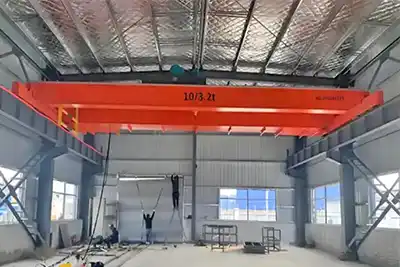
Case Study: Overhead Crane Solutions for Hazardous Oil and Gas Waste Management
Introduction
Oil and gas waste management facilities deal with some of the most hazardous materials in industrial operations. These facilities manage waste such as contaminated sludge, pipes, chemicals, and sometimes even radioactive materials. It's essential to handle these materials safely and efficiently, not only for smooth operations but also for the safety of workers and the environment.
In these types of facilities, moving materials is a crucial task. Waste needs to be moved, inspected, treated, and sometimes cleaned before being disposed of. Traditional methods or general equipment often don't meet the high demands of these environments. This is where overhead crane systems come in. They are reliable, specialized tools designed to move heavy and dangerous materials with minimal risk.
Oil and gas waste management facilities have unique challenges that require specialized equipment. Cranes in these settings need to handle large, heavy, and sometimes contaminated materials like pipes, drums of chemicals, and specialized equipment that often needs maintenance. Regular cranes might not be strong or precise enough to manage these items safely.
Overhead cranes are a great solution because they:
- Ensure safety: These cranes can move materials carefully, avoiding spills or accidents in hazardous areas.
- Withstand harsh conditions: They're built to resist extreme temperatures, chemicals, and contamination.
- Improve efficiency: Specialized cranes help minimize downtime, keeping operations running smoothly.
Without cranes designed specifically for these tasks, managing hazardous materials becomes much more difficult and risky.
The goal of this case study is to show how overhead crane systems improve material handling, safety, and efficiency in oil and gas waste management facilities. We'll look at how these cranes are designed to handle specific materials, such as contaminated equipment, hazardous waste, and other items that require careful management.
Through this case study, we'll highlight the practical benefits of using these cranes and how they make operations safer and more efficient, especially in such challenging environments.
The Challenge: Material Handling in Hazardous Waste Environments
In oil and gas waste management facilities, the types of materials handled are often complex and hazardous. These materials include:
- NORM-contaminated equipment: Naturally occurring radioactive materials (NORM) can be found in equipment used in oil and gas extraction. Overhead cranes must handle these materials with care to prevent radiation exposure.
- Sludge: Waste materials that contain chemicals, oils, or other contaminants. These are often heavy and difficult to manage.
- Contaminated pipes: Pipes that have been exposed to hazardous substances, such as chemicals or radioactive materials, need to be moved carefully to avoid spills or leaks.
Each of these materials has its own challenges. They are heavy, sometimes unstable, and in many cases, hazardous to both people and the environment. Specialized cranes are needed to handle these materials safely and efficiently, ensuring that they are moved without further contamination or risk.
The environment in which these materials are handled is also hazardous. Here are some key challenges:
- Radiation exposure: In some facilities, NORM materials pose a radiation risk. Cranes must be able to handle contaminated equipment and waste without putting operators or nearby personnel at risk.
- Flammable chemicals: In areas where chemicals are stored or processed, the risk of fire or explosion is high. The cranes must operate in ways that avoid sparks or other ignition sources.
- Extreme temperatures: Oil and gas waste facilities often deal with extreme heat or cold, requiring cranes that can withstand these conditions.
These environmental factors make material handling even more difficult. Cranes must not only lift heavy materials but also be designed to handle the specific risks of each type of waste. Ensuring the safety of operators and preventing accidents is a primary concern.
For effective material handling in such hazardous environments, cranes must meet several operational needs:
- Precision: Lifting and transporting materials like contaminated pipes or drums of sludge requires precision to avoid accidents or spills. Overhead cranes must be able to move materials exactly where they are needed.
- Safety: Safety is the top priority in hazardous environments. Cranes need to be equipped with features like load limiters, emergency stops, and safety switches to prevent accidents.
- Reliability: Cranes must be able to operate consistently without breakdowns. A failure could lead to costly delays or dangerous situations.
Minimizing downtime is also crucial. For oil and gas waste management, operations often need to keep moving without interruptions. The cranes must be easy to maintain and quick to repair if something goes wrong, ensuring the facility runs smoothly.
In summary, material handling in hazardous environments is a complex task that requires cranes designed for precision, safety, and reliability. These cranes must operate in challenging conditions while maintaining the high standards needed to protect both the workers and the environment.
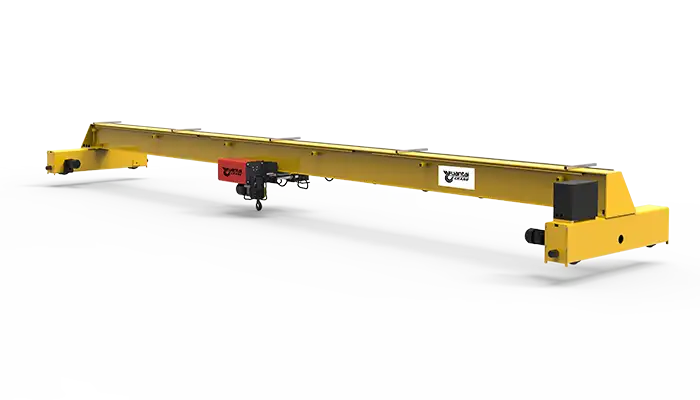
Solution: Tailored Overhead Crane Systems
In a hazardous environment like the oil and gas waste management facility, choosing the right overhead crane is crucial. Here are the key specifications and requirements of the cranes:
- Capacity: The cranes are designed with various lifting capacities, ranging from 2 tons to 10 tons, depending on the task and the type of material being handled. Some specialized tools can even handle up to 40 tons when required.
- Type: A combination of monorail hoists, single girder, and double girder overhead cranes are used. Monorail hoists are typically used for specialized tasks, while the single and double girder cranes are used for heavy lifting.
- Travel and Lifting Height: These cranes are designed for full building height coverage, ensuring that they can handle materials across large areas, with the ability to travel both longitudinally and crosswise.
- Safety Features: Features like load limiters, upper and lower limit switches, and emergency stop functions ensure that cranes operate safely. These safety mechanisms are integrated into the design to prevent overloading and minimize the risk of accidents.
These cranes are tailored to meet the specific needs of the facility, allowing them to handle a wide range of materials while maintaining the highest standards of safety and efficiency.
Below is an overview of the equipment used in the hazardous waste management facility for overhead material handling. This equipment is crucial for ensuring efficient and safe operation in environments that deal with hazardous and radioactive materials.
Monorail Hoist (Fire Protection Pump Building)
- Capacity: 2 tons
- Type: Electric chain hoist
- Function: Used for lifting and maintaining fire pumps, facilitating emergency services.
- Power: Electric hoist motor (typically 3-5 kW)
Single Girder Bridge Crane (Descaling Workshop)
- Capacity: 2 tons
- Type: Single girder overhead bridge crane
- Function: Lifting and handling of pipes and equipment for maintenance and descaling processes.
- Power: Hoist motor, travel motors (typically 5-10 kW)
Double Girder Bridge Crane (Descaling Area)
- Capacity: 10 tons
- Type: Single or double girder overhead bridge crane
- Function: Used for heavy lifting of pipe bundles and equipment in descaling operations.
- Power: Hoist motor, travel motors (typically 10-15 kW)
Contaminated Pipe Lifting Tool
- Capacity: 1 ton
- Type: Specialized lifting attachment
- Function: Used for handling contaminated pipes
- Safety: Designed for secure gripping and safe handling of radioactive materials.
Electrical Forklifts (Descaling and Water Treatment Areas)
- Capacity: 2 tons
- Type: Battery-powered electric forklifts
- Function: Handling chemicals, equipment, and materials in confined spaces.
- Power: Battery-powered with a charger (lead-acid or lithium-ion)
Inspection and Handling Tools
- Inspection Pipe Benches: Heavy-duty inspection benches used for staging, measuring, and inspecting pipes before they enter or leave the facility.
- Manual Pallet Trucks: For handling sludge containers and materials in controlled areas.
- Hook Scales: Digital scales used for verifying the weight of materials before their release or clearance.
Note: This equipment overview has been generalized to ensure client confidentiality and does not include specific client names or sensitive operational details. The crane solutions highlighted here are suitable for handling hazardous materials in waste management facilities, such as those involved in descaling, solidification, and NORM waste management.
For further inquiries on similar material handling solutions or for consultation on overhead crane systems in hazardous environments, please contact us directly. We provide tailored solutions to meet the specific operational and safety needs of facilities handling hazardous materials.
Several key types of cranes and lifting tools are used throughout the facility to address the unique challenges of hazardous waste handling:
- Monorail Hoist (Fire Pump Building): This crane is used to lift and maintain fire pumps in the fire protection pump building. The monorail hoist ensures that the pumps can be serviced quickly, which is crucial in an emergency situation where the fire protection system must remain operational.
- Single and Double Girder Overhead Cranes: These are deployed in the descaling workshop and solidification plant. They are used to lift and transport hazardous waste materials, such as contaminated pipes, sludge, and equipment. The double girder design allows for higher lifting capacities, ensuring that heavy materials can be moved safely and efficiently.
- Specialized Tools: The facility also employs specialized lifting tools designed to handle contaminated and cleaned pipes. These lifting attachments are specifically tailored for lifting materials that are radioactive or otherwise hazardous. The tools ensure that the material is handled safely, without exposure to operators.
Customization for Safety and Efficiency
The design and operation of the overhead cranes are customized to meet the unique challenges posed by hazardous environments. Here's how the cranes are optimized for safety and efficiency:
- Advanced Safety Features: Cranes are equipped with safety features like load limiters to prevent overloading, limit switches to ensure that the crane doesn't exceed safe operating limits, and emergency stop controls to quickly shut down the crane in case of malfunction or danger. These features provide operators with a safer working environment and reduce the risk of accidents.
- Operator Control Systems: Pendant controls and radio remote control options are available for crane operation. Pendant control allows the operator to manage crane functions from a safe distance, while the radio remote control provides even more flexibility and safety, especially in environments where operators must stay clear of hazardous materials.
- Customized Crane Designs: The cranes are designed specifically to handle large, contaminated materials and hazardous substances. This includes the use of robust hoists and lifting tools that are durable and capable of operating in challenging environments. The cranes are built with high precision to minimize the risk of accidents during material handling.
In conclusion, the tailored overhead crane systems used in the facility are a vital part of the operations. They not only handle hazardous materials efficiently but are also designed with advanced safety features that ensure both the safety of the operators and the protection of the environment. These cranes are a perfect example of how industrial equipment can be customized to meet the demanding requirements of hazardous environments.
Benefits of Overhead Crane Systems in Hazardous Waste Management
Overhead crane systems play a critical role in optimizing material handling within hazardous waste environments, where efficiency is key to maintaining smooth operations.
- Reduction of Manual Labor: The use of overhead cranes greatly reduces the need for manual labor in transporting heavy or hazardous materials. Operators can move large, contaminated pipes, equipment, and sludge quickly and safely, without requiring extensive manual lifting. This not only makes the work environment safer but also accelerates the material handling process.
- Faster Operations and Increased Throughput: With cranes in place, the entire process from receiving, decontaminating, and storing hazardous materials is sped up. Cranes can handle multiple tasks at once—lifting, transporting, and positioning materials across large areas—reducing bottlenecks and improving overall workflow. This leads to increased throughput, which is critical for meeting production schedules and ensuring timely waste disposal.
- Minimized Downtime: In a hazardous waste management facility, downtime is costly. Overhead cranes help minimize downtime by streamlining maintenance processes, such as the lifting and servicing of fire pumps or other critical equipment. Their reliability means that workers spend less time troubleshooting or waiting for maintenance, and more time focusing on core operations.
Safety is a primary concern in any hazardous environment, and overhead crane systems contribute significantly to maintaining a safe workplace while ensuring compliance with strict regulations.
- Minimizing Exposure to Hazardous Materials: One of the most significant advantages of overhead cranes is their ability to reduce the operator's direct exposure to hazardous materials. By handling toxic, radioactive, or flammable substances remotely, cranes ensure that workers do not need to come into close contact with dangerous materials, thus minimizing the risk of radiation exposure, burns, or contamination.
- Adherence to Industry Regulations: Hazardous waste facilities are subject to strict regulations, such as radiation safety protocols, waste handling standards, and OSHA guidelines. Overhead cranes are designed to meet these regulations, with built-in safety features like load limiters, emergency stop controls, and safety locks that ensure the materials are handled in compliance with legal requirements. The cranes help ensure that the facility meets both local and international safety standards, providing peace of mind for both operators and regulatory bodies.
- Worker Protection: With features like pendant controls, radio remote control, and robust safety mechanisms, cranes protect operators by giving them full control while maintaining a safe distance from hazardous materials. In addition, the cranes are often equipped with alarm systems and warning lights, further ensuring that workers are aware of potential dangers and can act accordingly.
Operating in a hazardous environment places extreme demands on machinery, and overhead cranes are built to meet these challenges head-on.
- Durability in Demanding Conditions: Overhead cranes used in hazardous waste management facilities are designed to withstand tough operating conditions. They are built with heavy-duty components and materials to resist corrosion, wear, and other forms of damage that could be caused by exposure to chemicals, radiation, or extreme temperatures. This durability ensures that the cranes can continue operating for years without significant degradation in performance.
- Longevity of Equipment: Given the challenging nature of the work environment, the cranes are engineered for long-term use. Their robust construction and high-quality components ensure that they remain operational over time, even under heavy use. This reliability is crucial in a setting where downtime can lead to costly delays and safety risks.
- Maintenance and Monitoring Systems: To ensure that the cranes continue to function reliably, regular maintenance schedules and monitoring systems are implemented. Sensors and diagnostic tools are used to track the condition of critical components, and maintenance alerts are triggered when it's time for servicing. This proactive approach helps prevent unexpected failures, minimizes repair costs, and ensures that the cranes remain in peak condition throughout their operational life.
In summary, the overhead crane systems in hazardous waste management facilities bring significant benefits in terms of efficiency, safety, and long-term reliability. By reducing manual labor, enhancing safety protocols, and providing a durable, reliable solution for material handling, cranes play a vital role in optimizing the operations of these complex and high-risk environments. Their ongoing functionality ensures that the facility can continue to meet regulatory standards while protecting the workforce and the environment.
Addressing Environmental Considerations
In today's world, sustainability is a crucial consideration in all industrial operations, and overhead cranes are no exception. In oil and gas waste management facilities, where hazardous materials are often handled, implementing eco-friendly solutions can make a significant difference.
- Electric-Powered Overhead Cranes: One of the most effective ways to reduce the environmental impact of material handling is through the use of electric-powered cranes. These cranes are more energy-efficient than their diesel or gas-powered counterparts, leading to a reduction in greenhouse gas emissions and overall energy consumption. By relying on electric motors instead of combustion engines, the facility can cut down on its carbon footprint, contributing to more sustainable operations.
- Energy Efficiency: Electric overhead cranes consume less power during operation, which not only reduces emissions but also lowers energy costs. This is especially important for large-scale facilities that require constant, round-the-clock material handling. Energy-efficient equipment helps meet sustainability goals while simultaneously improving the facility's operational efficiency.
- Eco-Friendly Material Handling: In sensitive environments like oil and gas waste management facilities, eco-friendly material handling solutions are key. Overhead cranes that use sustainable power sources help minimize the environmental impact of handling hazardous materials, such as radioactive waste or contaminated pipes. Using electric cranes reduces the reliance on fossil fuels and reduces the overall environmental burden of waste management operations, ensuring compliance with modern environmental standards and regulations.
Operating in extreme environments like those found in oil and gas waste management facilities presents unique challenges. From extreme temperatures to exposure to chemicals, cranes must be designed to function reliably in these harsh conditions.
- Design Adaptations for Extreme Conditions: Overhead cranes in such facilities are exposed to tough conditions, including high temperatures, extreme humidity, and occasional exposure to hazardous substances. To ensure that cranes continue to perform effectively, their design must include special adaptations to handle these conditions. This includes selecting robust materials and components that are resistant to temperature fluctuations and chemical exposure.
- Protection Against Chemical Exposure: The crane's components, including motors, wiring, and structural elements, are often exposed to corrosive chemicals, which can degrade standard materials over time. To combat this, cranes are built with specialized coatings and corrosion-resistant materials. These protective coatings act as a barrier, preventing chemicals from damaging the cranes and extending their operational lifespan.
- Risk of Contamination: The risk of contamination in hazardous environments like oil and gas waste management facilities is always a concern. To address this, overhead cranes are often equipped with sealed components and other protective features that help prevent the spread of contaminants. Specialized coatings and designs ensure that the cranes can operate without the risk of spreading radioactive materials or other harmful substances, ensuring a cleaner and safer work environment.
In conclusion, addressing environmental considerations in overhead crane systems is not only about compliance with regulations but also about improving operational efficiency and ensuring long-term sustainability. By using electric-powered cranes, implementing protective design adaptations, and utilizing eco-friendly materials, oil and gas waste management facilities can minimize their environmental impact, ensure the safety of workers, and extend the lifespan of their equipment. These considerations are essential for maintaining a balance between operational needs and environmental responsibility in hazardous waste management.
Results and Impact
Improved Material Handling Speed
The installation of specialized overhead cranes has significantly optimized material handling within the facility. By automating lifting and transporting processes, cranes reduced the time spent on manual labor, enabling workers to handle materials like contaminated pipes, sludge, and hazardous waste more quickly. This speed improvement led to smoother workflows and faster turnarounds in critical areas, such as the descaling workshop and solidification plant.
Enhanced Safety
One of the most noticeable benefits was the improvement in safety. With the integration of load limiters, emergency stop controls, and remote operation features, crane operators can now handle hazardous materials without direct exposure to potential dangers. This is especially crucial in a facility where radiation or chemical exposure could have severe consequences. Safety systems built into the cranes also help reduce human error, lowering the risk of accidents during operations.
Increased Operational Efficiency
With cranes designed to handle large, heavy loads such as contaminated equipment or solidification materials, the facility saw a significant reduction in downtime. Cranes were able to lift and move items more efficiently, increasing throughput and allowing the facility to maintain a high level of productivity. These efficiency gains were crucial in reducing the time spent on maintenance tasks, further boosting overall operational performance.
Reduction in Contamination Risks
Specialized lifting tools, like the contaminated and cleaned pipe lifting tools, have directly contributed to reducing contamination risks. These tools ensure that materials are handled safely, preventing any leakage or spread of hazardous substances during lifting and transport. As a result, the environmental risk has been minimized, and the handling process now follows strict contamination control protocols.
Operator Feedback
One of the primary benefits mentioned by operators was the reduction in physical strain and increased ease of handling heavy loads. With cranes now carrying out most of the lifting tasks, operators no longer have to manually handle dangerous materials. This not only improves safety but also reduces the likelihood of physical injuries. One operator remarked, "The cranes have made a huge difference in how we handle hazardous materials. It feels safer, and I'm less worried about physical injuries now that the heavy lifting is done by the cranes."
Maintenance Team Insights
Maintenance teams have reported a reduction in crane downtime thanks to the reliability and durability of the systems. With robust maintenance schedules and the use of monitoring tools, the cranes continue to operate smoothly, avoiding unexpected breakdowns. "The cranes have been incredibly reliable," shared a maintenance supervisor. "We've had fewer repairs compared to other equipment in the facility. This has saved us time and resources."
Safety-Related Feedback
The crane systems have significantly improved worker safety, which is critical in high-risk environments. A team leader in the descaling area said, "The safety features built into the cranes, like the emergency stop and load limiters, give us confidence when handling hazardous materials. We know that if something goes wrong, we can stop it immediately, which gives us peace of mind."
In summary, the overhead crane systems have delivered significant improvements in speed, safety, and operational efficiency. With feedback from operators and maintenance teams highlighting the cranes' positive contributions to daily operations, it's clear that the tailored crane solutions have had a tangible impact on the facility's overall performance. The result has been safer, faster, and more reliable material handling in one of the most challenging environments.
Lessons Learned
Adapting to Extreme Conditions
One of the major hurdles was designing cranes that could withstand the harsh environmental conditions present in the facility. This included exposure to extreme temperatures, chemical hazards, and radiation risks. The cranes had to be constructed using specialized materials that could resist corrosion from chemicals and maintain performance in fluctuating environmental conditions. For example, cranes used in areas like the descaling workshop needed to be fitted with durable coatings and high-quality components to handle the chemical exposure from corrosive materials.
Technical Complexities
Another challenge was ensuring that the cranes were precisely tailored for the facility's unique needs. The integration of specialized lifting tools for contaminated and cleaned pipes required technical adjustments to the crane's design, including weight-bearing capabilities and compatibility with the materials being handled. Furthermore, the radio remote control and pendant control systems had to be calibrated for smooth operation in potentially hazardous environments. Fine-tuning these systems to work in unison while maintaining safety and reliability took extra time and testing.
Integration into Existing Infrastructure
Another challenge faced during implementation was the integration of the new cranes with the existing infrastructure in the facility. Many areas already had equipment and structures in place that required the cranes to work within tight constraints. Adapting the cranes to function seamlessly with pre-existing systems, while ensuring safety and performance, required careful planning and coordination between design teams, facility engineers, and safety experts.
Despite these challenges, the outcome was a successful installation of crane systems that meet the facility's rigorous requirements. The lessons learned here offer valuable insights into overcoming similar obstacles in other hazardous waste management settings.
Customization Is Key
The tailored design of the crane systems, including specialized lifting tools, safety features, and control mechanisms, was essential to meet the specific demands of the hazardous waste environment. Facilities should consider customized crane solutions rather than relying on one-size-fits-all equipment. This not only ensures safety but also boosts operational efficiency by addressing the unique challenges posed by the materials being handled.
Focus on Safety Features
Overhead cranes used in hazardous environments should have advanced safety mechanisms like load limiters, emergency stop buttons, and remote control capabilities. Safety should be integrated from the start of the design process. These features not only prevent accidents but also ensure that operators are protected from harmful exposure to hazardous materials.
Regular Maintenance and Monitoring
Overhead crane systems in such environments require routine maintenance and monitoring to ensure longevity and minimize downtime. Setting up a maintenance schedule and using monitoring systems for early detection of issues are vital practices that increase crane lifespan and performance. By keeping a close watch on the condition of critical components, facilities can prevent unexpected failures that could disrupt operations.
Operator Training
Investing in comprehensive operator training is another best practice that came out of this case study. Operators must understand the specifics of handling hazardous materials, using safety equipment properly, and responding quickly to emergencies. Clear, concise training programs that focus on both the operation of the cranes and the handling of hazardous materials are key to a smooth, safe operation.
Adaptation to Specific Needs
Each facility may face different challenges, but the principle of customizing crane solutions to suit those unique needs remains crucial. Whether handling radioactive materials, chemicals, or heavy industrial waste, tailoring equipment to the environment and tasks at hand will result in safer and more efficient operations.
Long-Term Investment in Safety
The focus on safety in this case can be applied to any facility working with hazardous materials. Implementing safety features like load limiters, emergency stops, and remote operation systems should be standard practice in any hazardous environment to protect workers and ensure regulatory compliance.
Efficient Maintenance Practices
The importance of ongoing crane maintenance and monitoring applies universally to industries where equipment is subject to extreme working conditions. Investing in proper maintenance systems and training maintenance teams will ensure reliable equipment operation and reduce downtime across all types of facilities.
Conclusion
Summary of the Key Points
Overhead crane systems are critical for handling hazardous materials in oil and gas waste management facilities. These cranes play a pivotal role in safely lifting, transporting, and maintaining equipment in environments that present high risks, such as exposure to radiation, chemicals, and other hazardous substances. From precision lifting of contaminated pipes to handling heavy equipment, overhead cranes provide a solution that minimizes manual labor, enhances worker safety, and optimizes operational efficiency.
The case study demonstrates how customized crane solutions tailored to the specific needs of the facility can ensure safe handling and reliable performance in hazardous environments. Key features, including load limiters, emergency stops, and remote control systems, have been shown to significantly enhance safety and compliance with industry regulations.