Case Study: 5 Ton Explosion-Proof Overhead Crane in Fireworks
Explore how 5 Ton explosion-proof overhead crane improves safety, efficiency & compliance in hazardous fireworks workshop environments.Get 5 ton OH crane!
Introduction
Overview of Fireworks Workshops
Fireworks workshops are environments where dangerous materials like explosive chemicals and pyrotechnic compounds are handled daily. These materials require special care because they’re highly sensitive to sparks, heat, and friction. The risk of accidents, such as explosions, is very real in these environments. That’s why maintaining a safe workplace is essential, as even a small mistake can have disastrous consequences.
- Key Risks: Handling hazardous chemicals, explosives, and finished products.
- Why It’s Dangerous: Sparks, friction, and heat can trigger explosions.
- Priority: Protecting workers and the facility from accidents.
Importance of Safe Material Handling
In fireworks workshops, the safe handling of materials is crucial. With highly volatile substances involved, every movement of raw materials and finished products must be done carefully to prevent accidents. Safe lifting and transport are essential to keep the workplace free from sparks or ignition risks.
- Safe Handling: Moving raw materials and explosives with care.
- Preventing Accidents: Reducing the risk of sparks, heat, or friction.
- Role of Equipment: Specialized cranes play a key role in ensuring safety during material handling.
Objective of the Case Study
This case study will focus on how a 5 Ton explosion-proof overhead crane is used in a fireworks workshop to tackle specific safety challenges. We’ll look at how this crane’s features help protect against spark-related accidents and ensure safe, efficient handling of hazardous materials. The case study aims to show how this crane fits into the daily operations of a fireworks workshop, addressing the workshop’s unique safety and operational needs.
- Focus: Application of the 5 Ton explosion-proof crane.
- Goal: Demonstrating how it enhances safety and improves material handling.
- Key Benefit: Protects workers and the facility from explosion risks.
Workshop Environment and Challenges
Understanding the Fireworks Production Process
Fireworks workshops involve multiple stages, each with its own risks. From raw material storage to the final packaging of firecrackers, every step must be carefully controlled to prevent accidents.
- Raw Material Storage: Chemicals like oxidizers and fuels are stored here, and they can be extremely sensitive to heat or sparks.
- Mixing Rooms: Pyrotechnic compounds are blended here, which is one of the most hazardous areas.
- Assembly Lines: Workers fill casings, attach fuses, and pack fireworks—activities that need both precision and safety.
- Packaging Areas: Finished products are handled in bulk, often requiring mechanical lifting to avoid manual strain and risk.
Hazardous Materials and Risk Zones
Not all zones are equal in risk. Certain workshop areas need extra care due to the type of material being handled.
High-Risk Areas:
- Raw Materials Storage Area
- Explosive Compound Mixing Room
- Firecracker Assembly Line
Each of these zones has a real risk of accidental ignition if materials are dropped, overheated, or exposed to electrical sparks.
Why Safety Demands Are So High
In fireworks workshops, the smallest spark can trigger a disaster. That's why safety isn't optional—it's essential.
- Even static electricity or friction from metal parts can cause ignition.
- Workshops must meet strict standards like ATEX and follow clear safety separation distances.
- Crane operations need to be spark-free, steady, and fully controlled.
Why a 5 Ton Explosion-Proof Crane?
Cranes Make Fireworks Handling Safer and Smoother
Cranes are essential in fireworks production. They help lift, move, and load heavy materials without putting workers at risk.
- Manual handling of heavy materials is risky and not safe in explosive zones.
- Explosion-proof cranes eliminate ignition risks while improving efficiency.
- They also reduce strain on workers, especially in repetitive or high-volume tasks.
Why 5 Tons is the Right Choice
Not too big, not too small—the 5 Ton crane hits the sweet spot for most fireworks plants.
- It's strong enough to lift drums, containers, or packed crates of fireworks materials.
- It can be installed in smaller workshop spaces with low headroom.
- It balances lifting power with safety, especially for medium-volume operations.
Explosion-Proof Features That Matter
You can't use a standard crane in a fireworks workshop. It must be specially designed to avoid any chance of a spark.
- Bronze Hooks & Copper-Alloy Wheels: These materials don't spark when scraped or dropped.
- Explosion-Proof Electricals: Sealed and ATEX-compliant, they prevent ignition even if exposed to gases or dust.
- ATEX Zone Compatibility: Cranes are certified for Zone 1 or Zone 2 use, depending on the specific risk level in the area.
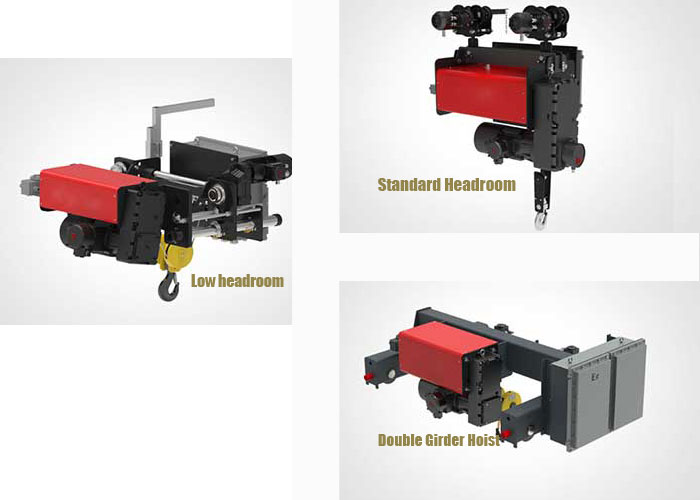
Explosion proof hoist for sale
Application of the Crane in Key Areas
Raw Material Handling
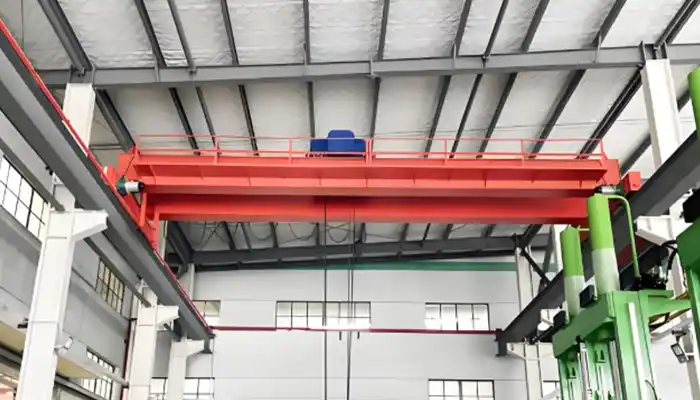
One of the most critical roles of the 5 Ton explosion-proof overhead crane in a fireworks workshop is the safe handling of raw materials, such as chemicals and pyrotechnic compounds. These materials are highly sensitive and can easily ignite if exposed to sparks or excessive friction. The explosion-proof crane is designed to operate in hazardous environments, offering the following benefits:
- Spark Prevention: The crane features non-sparking components, such as copper-alloy wheels and spark-resistant hoist systems, ensuring that no sparks are generated during lifting and transportation.
- Safe Lifting: It can handle raw chemicals and materials safely, preventing accidents when lifting containers or barrels.
- Explosion-Proof Design: The crane's electrical system is fully explosion-proof, compliant with ATEX standards, which ensures that no ignition sources are present while handling volatile materials.
- Efficient Movement: By providing smooth and controlled movement, the crane minimizes the chances of spilling hazardous materials, keeping workers and the environment safe.
Assembly and Packaging
During the assembly and packaging of fireworks, the explosion-proof crane ensures that materials are moved safely and efficiently throughout the workshop. Fireworks are assembled and packed in various stages, requiring precise movement of both raw materials and finished products. The crane offers several advantages in this area:
- Efficient Workflow: The crane improves the efficiency of moving products between different stages of assembly and packaging, reducing downtime and speeding up production processes.
- Safety During Transport: With its explosion-proof features, it ensures that the products are transported without causing any ignition risks, keeping the workspace secure.
- Handling Finished Products: As fireworks are completed, the crane is used to move them into packaging zones or storage areas, preventing mishandling and minimizing risks.
- Customization: The crane can be adjusted to handle different weights and sizes of fireworks, providing flexibility for different stages of the packaging process.
Storage and Transport of Explosives
Storing and transporting explosive materials is one of the most hazardous tasks in fireworks workshops. The 5 Ton explosion-proof crane plays a crucial role in lifting and moving containers of explosives safely. Here's how it contributes to minimizing risks:
- Safe Lifting of Explosives: The crane is capable of handling large containers of explosive materials, lifting them safely without risk of sparks or friction that could lead to ignition.
- Compliance with Safety Protocols: The explosion-proof crane adheres to strict safety standards, such as ATEX certification, which ensures it’s safe to use in explosive atmospheres. This helps the workshop meet local and international safety regulations.
- Reducing Risk of Accidents: By preventing the risk of accidental ignition, the crane ensures that the storage and transport of explosives are done in a controlled, safe manner.
- Minimized Human Error: The crane’s precision control system reduces human error, ensuring that the explosive materials are handled consistently and safely.
Installation and Integration in the Workshop
Pre-Installation Planning
Before any installation, it’s critical to carefully assess the workshop’s safety requirements to ensure the crane operates optimally and safely. The following steps are vital during the planning phase:
- Safety Assessments: A thorough risk assessment is performed to identify potential hazards related to spark ignition, handling volatile materials, and ensuring worker safety.
- Crane Placement Near Blast-Proof Barriers: The crane’s location must be carefully selected to avoid any interference with blast-proof barriers. This ensures that in the event of an explosion, the crane doesn’t pose an additional risk.
- Safety Separation Distances: Compliance with safety regulations regarding separation distances is essential. The crane should be installed at a safe distance from areas where volatile chemicals or explosives are stored to minimize risks in case of an incident.
Installation Process
The installation of the 5 Ton explosion-proof overhead crane involves careful coordination to ensure that it integrates seamlessly into the existing workshop layout. The process follows these key steps:
- Survey of Workshop Layout: A detailed survey of the workshop is conducted to determine the optimal positioning of the crane, ensuring it doesn’t obstruct any other critical areas or equipment.
- Structural Integrity Checks: The installation team verifies that the workshop's structure can support the crane’s weight and ensures proper alignment of rails, beams, and other components.
- Integration with Existing Infrastructure: The crane is integrated into the workshop’s existing infrastructure, which might involve modifying certain areas to optimize space, improve material handling flows, and maintain safety.
Testing and Commissioning
Once the crane is installed, thorough testing and commissioning are performed to ensure that all explosion-proof features are functioning as intended. The following steps are crucial:
- Explosion-Proof Functionality Testing: The crane’s electrical components and hoist systems are tested to ensure they meet ATEX standards for use in hazardous environments. This includes checking for spark resistance and ensuring that the crane doesn’t produce any ignition sources.
- Non-Sparking Components Testing: Non-sparking materials, such as copper-alloy wheels and anti-spark hoists, are checked for proper function and durability.
- Anti-Static Grounding Systems: The crane’s anti-static grounding systems are tested to make sure that any static build-up is safely dissipated, reducing the risk of ignition in explosive zones.
- Final Inspections: A final inspection is carried out to confirm that all installation and safety procedures have been followed, and the crane is fully operational.
Operational Benefits
Enhanced Safety
The primary reason for using a 5 Ton explosion-proof crane in fireworks workshops is to enhance safety. Here's how it contributes:
- Prevention of Sparks: With its explosion-proof design, the crane ensures no sparks are generated during operation, even in the most hazardous areas of the workshop. This greatly reduces the risk of ignition in environments with explosive chemicals.
- Safe Material Handling: The crane’s precise control systems and non-sparking hoist ensure materials, whether raw chemicals or finished products, are handled safely without causing friction or heat that could lead to accidents.
- Compliance with Safety Standards: The crane meets all necessary safety standards, including ATEX and IECEx certifications, ensuring that the workshop remains compliant with local and international regulations.
Increased Efficiency
The 5 Ton explosion-proof crane boosts the overall efficiency of the fireworks workshop in several ways:
- Faster Lifting and Handling: The crane's smooth and fast lifting capabilities allow for quicker movement of materials between different workshop areas, reducing waiting time and improving overall production speed.
- Improved Workflow: By eliminating the risk of accidents due to sparks or mishandling, the crane helps streamline workflows, ensuring that operations run without interruption.
- Higher Productivity: With its reliable and efficient performance, the crane reduces downtime and maximizes productivity, allowing workers to focus on their tasks without worrying about safety issues.
Operator Feedback
Feedback from crane operators is essential to understand the real-world impact of the 5 Ton explosion-proof crane in hazardous environments:
- Usability: Operators report that the crane is easy to control and maneuver, even in tight spaces. The precise handling allows them to lift materials with confidence, minimizing human error.
- Safety Perception: Operators appreciate the explosion-proof features, noting that they feel safer working with such equipment, especially in high-risk areas like the storage and handling of explosive materials.
- Operational Improvements: Operators highlight how the crane has streamlined their daily tasks. The ability to quickly and safely move materials has improved workflow, and many note that the crane’s reliability has made their jobs much easier and safer.
Maintenance and Compliance
When it comes to explosion-proof cranes in fireworks workshops, regular maintenance and compliance checks are essential to ensure their safe and reliable operation. These cranes are exposed to extreme conditions and must be carefully maintained to prevent any safety issues or breakdowns. Here's a breakdown of the key aspects of ongoing maintenance and compliance for these critical pieces of equipment:
Ongoing Maintenance
Maintaining a 5 Ton explosion-proof crane goes beyond just ensuring it lifts materials effectively; it's about preventing potential risks in an environment where safety is non-negotiable. The following checks should be done regularly:
- Anti-Spark Hoist Systems: The hoist systems should be inspected regularly for any wear or damage to anti-spark components. These systems prevent sparks from being generated when moving explosive materials, and ensuring they are in optimal condition is critical for safety.
- Electrical Components: The crane's electrical components must be checked for any signs of corrosion, wiring damage, or failures. The explosion-proof design ensures there are no sources of ignition, but only if the wiring and other electrical elements are well-maintained.
- Non-Sparking Parts: Regular inspection of non-sparking components like copper-alloy wheels, hooks, and hoist systems is essential to ensure no material degradation or corrosion has compromised their functionality.
- Lubrication and Wear Checks: Components that experience mechanical movement, such as the crane's gears, must be lubricated and checked for wear to maintain their performance and prevent unexpected breakdowns.
Safety Inspections
Routine safety inspections are crucial to keeping the crane compliant with industry standards, such as ATEX and IECEx, and ensuring it continues to function in a safe manner. These inspections are designed to identify potential safety risks before they become serious issues. Consider the following aspects:
- Compliance with Safety Standards: Inspectors should verify that the crane meets all necessary safety certifications and standards, including ATEX (explosive atmosphere regulations) and IECEx (international explosion-proof standards). This ensures the crane is safe for use in hazardous environments.
- Wear and Tear Identification: Safety inspections should include a thorough look for signs of wear or damage on all critical components, including cables, electrical components, hoists, and crane structures. Identifying wear early helps prevent sudden failures.
- Crane Safety Features: Inspect the crane’s safety features, such as emergency stop buttons, overload protection, and fail-safe mechanisms. These features are vital to the crane’s ability to protect operators and maintain the workshop's overall safety.
Documentation and Record Keeping
For ongoing compliance and operational efficiency, maintaining detailed records is a necessity. These documents serve both as a safety measure and as a way to meet legal requirements. Key records to maintain include:
- Inspection Logs: Keep a detailed log of all inspections, noting any issues found and the corrective actions taken. These logs can help track recurring problems and guide future maintenance.
- Maintenance Records: Regular maintenance checks and repairs should be documented to ensure a complete history of work performed. These records will be helpful for future troubleshooting and can provide valuable insight into the crane's long-term performance.
- Compliance Certifications: Always keep the crane's compliance certificates, including ATEX and IECEx certifications, up to date. These documents confirm that the crane meets the necessary safety standards for explosive environments.
- Legal Compliance: In addition to internal records, it’s important to follow any legal or regulatory requirements for documentation and reporting, ensuring the crane remains compliant with national and international standards.
Lessons Learned and Best Practices
The application of a 5 Ton explosion-proof crane in fireworks workshops is an ongoing learning process. Over time, manufacturers have gathered key insights into what works well, and what challenges need to be addressed. These lessons can help other manufacturers better implement similar equipment in their own facilities.
Key Lessons from Crane Application
Implementing an explosion-proof crane in a fireworks workshop comes with its own set of challenges and successes. Some important lessons include:
- What Worked Well: One key lesson is the importance of selecting the right crane for the specific environment. The explosion-proof features, non-sparking components, and robust construction have proven effective in preventing ignition and ensuring safety in the high-risk atmosphere of fireworks workshops.
- Challenges and Modifications: One common challenge has been ensuring that the crane’s installation is done in compliance with safety separation distances from explosives storage areas. Adjustments were made to optimize crane placement and improve workflow efficiency.
- Ongoing Safety Protocols: Workers and supervisors have learned the importance of developing robust safety protocols for crane operation. Ensuring workers are fully trained on these protocols significantly reduces the risk of accidents.
Best Practices for Fireworks Workshops
For fireworks manufacturers considering the implementation of explosion-proof cranes, these best practices can make the process smoother and more effective:
- Crane Placement: Proper placement is crucial. Make sure the crane is positioned away from explosive storage areas while still being able to access all critical work zones. The crane should not obstruct ventilation systems or blast-proof barriers.
- Safety Protocols: Develop detailed safety protocols for crane operation, including regular safety drills for workers. This will help prevent accidents and ensure that everyone understands how to operate the crane in the safest possible way.
- Operator Training: Invest in comprehensive operator training. This ensures that crane operators are fully aware of the unique challenges of working in hazardous environments, and that they know how to use the crane safely and efficiently.
- Routine Maintenance and Inspections: Establish a routine maintenance and inspection schedule, including regular checks of the crane's explosion-proof features. This will ensure the crane remains in top working condition and complies with all safety standards.
Conclusion
Summary of the Crane’s Impact
The implementation of the 5 Ton explosion-proof overhead crane in the fireworks workshop has significantly improved both safety and operational efficiency. By ensuring safe handling of hazardous materials, preventing sparks, and complying with strict safety regulations, the crane has played a vital role in reducing the risk of accidents and enhancing overall safety in the workshop. Its explosion-proof features and non-sparking components have been crucial in managing the workshop’s explosive atmosphere, contributing to smoother, more reliable workflows. The crane’s efficient material handling has also reduced downtime, allowing for a more productive and streamlined operation.
Future Considerations
While the 5 Ton crane has been a valuable addition, the future growth of the fireworks workshop may necessitate scaling up operations. As production demands increase, the need for a higher-capacity crane may arise. Upgrading to a crane with a larger lifting capacity, for instance, a 10 Ton or 15 Ton model, would help to manage higher loads and support expanded production lines. Additionally, advancements in automation and smart crane technology could offer further improvements in safety and operational efficiency, making future upgrades something to consider for continuous improvement.