Custom Overhead Crane for Rail Depot: Efficient Lifting Solution
Custom Overhead Cranes for Rail Depots: Maintenance, Repair, and Lifting Efficiency
Introduction
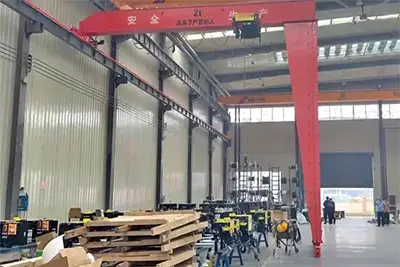
Overhead cranes are essential tools in rail depots. They help move heavy parts like wheels, bogies, and engines during maintenance and repair. These cranes need to be reliable and designed to match the specific needs of rail depot work. A standard crane might not cut it; customization is often necessary to ensure smooth and safe operations.
Custom overhead cranes mean more than just lifting capacity. They’re designed with the depot’s layout, the type of loads, and the frequency of use in mind. This customization improves overall workflow, making lifting tasks quicker and safer.
The main focus for rail depot cranes is to boost lifting efficiency while keeping downtime as low as possible. When cranes aren’t working, maintenance stops, schedules get delayed, and costs increase. Custom solutions help avoid these problems.
- Overhead cranes move heavy rail components during maintenance and repairs
- Custom cranes fit the depot’s space and specific lifting needs
- Efficient lifting speeds up work and enhances safety
- Minimizing crane downtime prevents costly delays
Rail Depot Requirements
What Makes Rail Depots Different from Other Worksites
Rail depots aren’t your average worksite. They’re often busy, packed with equipment, and not always designed with cranes in mind. Some are indoors, others are open-air, and conditions can range from dusty to damp. That means any crane working there needs to be dependable, durable, and able to fit into a tight space without getting in the way.
- Space is usually limited, with lots of railcars and equipment around
- Weather exposure and dust can affect crane performance
- Cranes must be built to handle daily wear in a demanding environment
Lifting Needs in Rail Maintenance
Heavy, Awkward Loads That Need Careful Handling
The kind of lifting done in rail depots is also very specific. It’s not just about moving heavy loads — it’s about moving the right loads. Cranes are used to lift parts like bogies, wheels, traction motors, and other components during inspection, repair, or replacement. These parts can be large, awkwardly shaped, or delicate in places, so precision matters.
- Cranes lift bogies, wheels, engines, and related components
- Loads vary in shape, size, and balance
- Flexibility and accuracy are more important than just brute strength
Safety and Compliance Requirements
Rules, Training, and Equipment Checks That Keep Operations Safe
And of course, safety is a top priority. With so many people, machines, and moving parts in one place, things can go wrong fast if the right precautions aren’t in place. Cranes need reliable safety features, and the teams using them must follow strict protocols. That includes everything from routine maintenance to making sure operators are properly trained.
- Emergency stop systems and load monitoring are essential
- Regular inspections help catch problems early
- Trained operators reduce the risk of accidents and breakdowns

Custom Overhead Crane Design for Rail Depots
Building Cranes That Fit Your Depot, Not the Other Way Around
Not all rail depots are built the same, so the crane shouldn’t be either. The crane’s capacity, span, and lifting height need to match the depot’s structure and layout. Whether you're dealing with a narrow maintenance bay or a wide open repair shed, the crane must fit the space and reach where it needs to—no more, no less.
- Crane span must match the track or bay width
- Lifting height should clear railcars and major components
- Capacity depends on the heaviest part you need to lift, plus a safety margin
Specialized Lifting Attachments
Equipping Cranes to Handle Rail-Specific Loads
In rail depots, lifting a wheelset isn’t the same as lifting a steel beam. Cranes often need customized hoists or lifting tools made specifically for rail components. This could include C-hooks, clamps, rotating spreaders, or adjustable lifting beams—whatever makes the job faster and safer.
- Use custom hooks or grabs for bogies, wheels, or axles
- Rotating mechanisms can help position parts precisely
- Interchangeable attachments improve versatility
Precision and Safety Controls
Smart Features That Help Operators Work Smoothly
Control systems are just as important as the mechanical design. In a rail depot, operators often need slow, steady movements to position parts without damaging them. Modern cranes can include features like variable speed drives, anti-sway technology, and remote control panels to help operators work with better control and less stress.
- Variable speed for precise movement during lifting and lowering
- Anti-sway systems improve safety and load stability
- Remote or cabin control options depending on depot preference
Built for Harsh Conditions
Making Sure Your Crane Can Stand Up to the Environment
Some depots are partly or fully outdoors, which means cranes need to stand up to weather. That includes rain, heat, cold, and dust. Outdoor-use cranes should have weatherproof enclosures for motors and electronics, corrosion-resistant coatings, and reliable seals to protect internal parts.
- Weatherproof electrical enclosures for rain and dust protection
- Rust-resistant coatings for outdoor steelwork
- Durable cabling and components that withstand extreme temperatures
Enhancing Lifting Efficiency
Making Every Lift Faster, Smoother, and More Reliable
Improving lifting efficiency isn’t just about lifting heavier loads — it’s about doing the work faster, with less strain on the equipment, and with fewer delays. In a rail depot, time matters. When a crane runs efficiently, maintenance teams can complete tasks quicker, reduce turnaround time, and get rolling stock back into operation faster.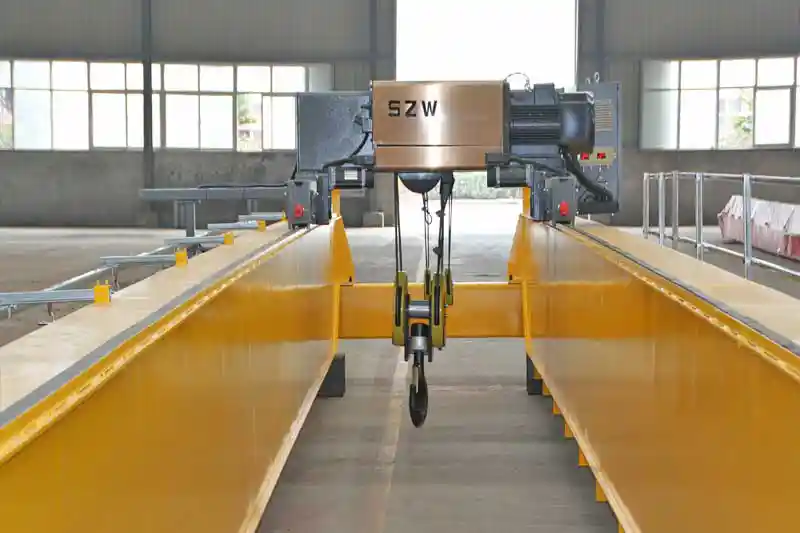
double girder overhead crane for sale
Choosing the Right Crane Type
Different Cranes Serve Different Depot Needs
Not all overhead cranes perform the same. Choosing between a single girder, double girder, or gantry crane depends on your depot layout, the weight of the components being lifted, and how often lifting happens.
- Single girder cranes are simpler and cost-effective, ideal for lighter-duty lifting in narrow bays
- Double girder cranes offer higher lifting capacity and longer spans for heavy rail components like engines or bogies
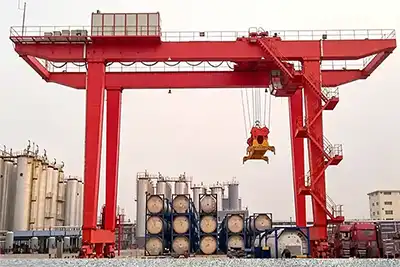
- Gantry cranes are a flexible option for outdoor or partially covered depots without runway beams
Selecting the wrong type can limit lifting performance or lead to expensive upgrades later. A well-matched design ensures you get the most out of your crane from day one.
Fine-Tuning Speed and Handling
Balance Between Power, Control, and Safety
How fast the crane moves makes a big difference. Trolley speed, hoisting speed, and travel speed all affect how efficiently you can complete a lift. But speed needs to be balanced with control—especially when handling large or uneven loads like traction motors or axles.
- Adjustable lifting speeds allow precise positioning during maintenance
- Faster trolley travel reduces movement time across the bay
- Smooth acceleration and braking prevent swinging or shock loading
Crane control should never feel rushed or jerky. The right balance ensures both efficiency and safety.
Automation and Remote Control
Smarter Controls Mean Less Downtime and Fewer Mistakes
Automation doesn’t mean full robotics—it can be as simple as programmable lifting paths or preset load limits. These features reduce human error and make repetitive lifts faster. Remote controls also allow operators to stand in the safest or most visible location while handling complex components.
- Remote control units improve operator visibility and mobility
- Pre-set lifting paths help with repetitive lifting tasks
- Limit switches and load indicators prevent overloading or unsafe lifts
For depots handling multiple types of equipment daily, these features can make a noticeable difference in productivity.
Saving Energy, Reducing Waste
Better Power Use = Lower Costs and Longer Equipment Life
Cranes consume a lot of power, especially during lifting and acceleration. But modern energy-saving systems can recover and reuse braking energy, manage power peaks, and reduce overall electricity consumption. Over time, this doesn’t just save on utility bills — it helps extend the life of motors and components.
- Regenerative drives feed energy back into the system during braking
- Smart power management reduces overload on depot supply
- Energy-efficient motors reduce heat and wear over long working hours
An efficient crane system isn’t just about lifting well—it’s about running smarter every day.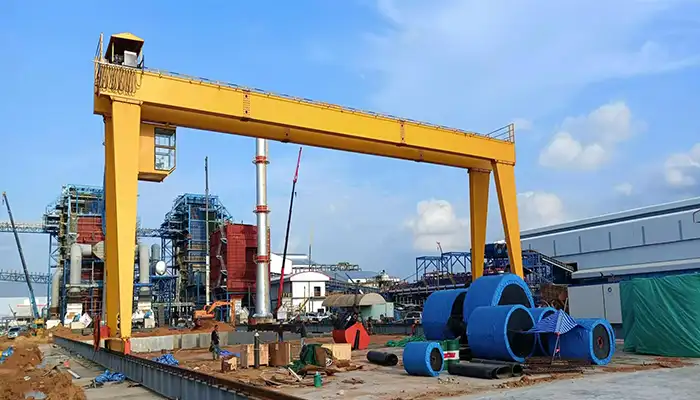
MG double girrder gantry crane for sale
Maintenance Practices for Custom Overhead Cranes
Keeping Your Crane Reliable, Safe, and Ready for Daily Demands
Even the best-designed crane won’t perform well without proper maintenance. In rail depots, where lifting tasks are frequent and critical, a well-maintained crane is the difference between smooth operations and unexpected delays. Regular upkeep also helps extend the life of your equipment and avoid costly repairs down the road.
Routine Inspections and Checklists
Spotting Issues Early Before They Turn into Problems
Routine inspections are your first line of defense. These should follow a set schedule — daily, weekly, monthly, and annually — based on how often the crane is used and the working conditions in your depot. A customized inspection checklist helps cover all the crane’s key parts, including those most affected by dust, vibration, or exposure.
- Daily checks: wire ropes, limit switches, visual signs of wear
- Weekly/monthly: brake systems, lubrication points, trolley alignment
- Annual: full structural check, motor condition, control panel testing
- Keep a written log of all inspections and findings
Lubrication and System Care
Keeping the Moving Parts Working Smoothly
Cranes have a lot of moving parts—gears, bearings, hoist mechanisms, and more. If they aren’t properly lubricated, friction builds up, leading to wear, overheating, and failure. It’s also important to regularly check the condition of electrical components, connectors, and cabling.
- Lubricate hoist drums, wire ropes, and trolley wheels on a set schedule
- Check and tighten electrical terminals to avoid sparking or loose connections
- Inspect motors and gearboxes for signs of noise or overheating
- Replace worn or contaminated lubricant to prevent damage
Using Predictive Maintenance
Fixing Things Before They Break with Smart Tools
Modern cranes can be equipped with sensors that monitor temperature, vibration, and load cycles. This data helps detect early warning signs — like unusual wear or stress — before a breakdown happens. Predictive maintenance keeps you one step ahead and reduces unplanned downtime.
- Install sensors to track real-time motor temperature and bearing vibration
- Use condition monitoring software for historical trend analysis
- Set automatic alerts for load limit breaches or abnormal performance
- Helps schedule maintenance only when it’s actually needed
Staff Training and Daily Care
Teaching Your Team to Operate and Maintain Equipment Properly
Even the best technology won’t help if your team isn’t trained. Depot staff need to know not just how to operate the crane, but how to perform basic checks and identify when something seems off. Training also builds a stronger safety culture.
- Train operators on safe lifting practices and daily inspection routines
- Provide maintenance staff with manuals and component diagrams
- Encourage reporting of unusual noises, movement, or alerts
- Refresher training sessions help reinforce safe habits and procedures
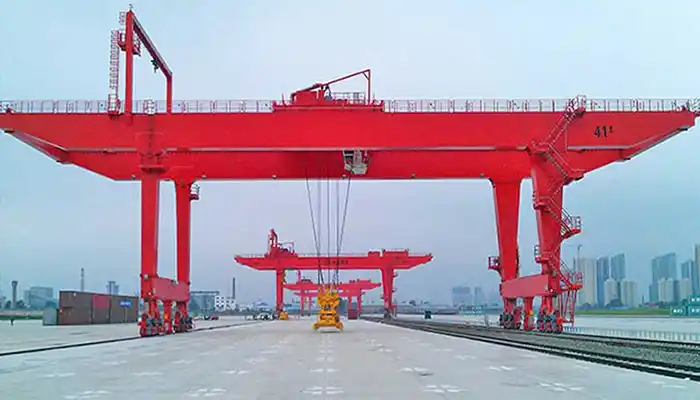
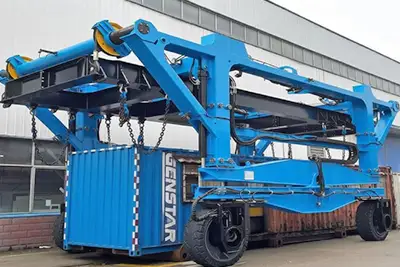
U Frame rail travelling double girder gantry crane for heavy and large loads handling
Repair Strategies to Minimize Downtime
Fix It Fast, Fix It Right — Keeping Cranes Running When You Need Them Most
When a crane breaks down in a rail depot, everything slows down — or stops completely. Unlike occasional-use cranes, depot cranes often operate daily, handling time-sensitive repair work. That’s why having a solid repair strategy isn’t optional — it’s part of keeping your operations on track.
Common Crane Failures and Their Causes
Know What Goes Wrong — and Why
Certain parts of a crane are more likely to fail due to regular wear, environmental conditions, or improper use. Knowing what to expect helps you prepare the right response — and reduce downtime when problems do happen.
- Hoist brakes can wear out from frequent starts and stops
- Electrical issues often result from loose connections or exposure to dust and moisture
- Wire ropes may fray due to overloading or improper winding
- Gearboxes and motors can overheat when not properly maintained
Fast Repairs for Critical Failures
Have a Plan in Place Before Things Break
Delays during a breakdown often come from not knowing what to do or who to call. A rapid response plan ensures critical repairs are handled quickly. This includes assigning responsibilities, preparing documentation, and keeping necessary tools and instructions on hand.
- Identify the most critical crane parts and failure points
- Create a simple response checklist and contact list for emergencies
- Stock common replacement parts for high-wear components
- Partner with a crane service provider who offers emergency support
Designing for Easy Part Replacement
Modular Cranes Save Time When Repairs Are Needed
When cranes are built with modular components, it becomes much easier to isolate and replace damaged parts without tearing the whole system apart. This design approach can dramatically reduce downtime — especially when combined with good spare part management.
- Modular hoists, trolleys, and drive units are faster to swap out
- Maintain a small on-site inventory of common spare parts
- Use quick-disconnects for cables, controls, and power systems
- Choose crane brands that offer local or fast-delivery spare parts
Real-World Examples: Preventing Long Shutdowns
Lessons Learned from Depots That Got It Right
Some rail depots have already figured out how to reduce downtime through smart repair strategies. Whether it’s training their team to spot problems early or designing cranes with quick-swap features, these case examples show what works.
- A European rail depot reduced downtime by 40% after adding remote diagnostics and alarm history tracking
- An Asian workshop switched to modular hoists and cut average repair time in half
- A Middle Eastern depot trained in-house staff for emergency troubleshooting, avoiding outside technician delays
Safety and Compliance Considerations
Following the Rules, Protecting People, and Preventing Costly Mistakes
Safety isn’t just a checklist — it’s a core part of crane operation in any rail depot. With heavy components, high lifting heights, and active work zones, the risk of accidents is real. That’s why every custom overhead crane must be built and used with strict safety and compliance in mind. A single missed detail can lead to injury, equipment damage, or downtime that’s hard to recover from.
Meeting Industry Safety Standards
Stick to the Rules That Keep Your Team and Equipment Safe
Rail depot cranes must meet national and local standards related to lifting equipment. These include structural integrity, load handling, control systems, and installation guidelines. Failing to comply can lead to legal issues, insurance problems, and most importantly — safety risks.
- Follow standards such as ISO, CE, or local rail safety codes
- Ensure the crane meets rated load tests and structural inspections
- Install cranes with certified equipment and documented commissioning
- Schedule third-party inspections if required by regulation
Built-In Emergency and Fail-Safe Features
What Should Kick In When Things Go Wrong
Modern cranes should come with multiple safety systems that kick in if something fails or goes beyond safe limits. These features aren’t just “nice to have” — they’re essential to protect both the operator and the load.
- Emergency stop buttons that instantly halt all movement
- Overload limiters to prevent lifting beyond rated capacity
- End-stop buffers and anti-collision systems for safe travel
- Backup braking systems in case of power failure
Training and Certification
Operators Who Know What They’re Doing Make All the Difference
A well-built crane is only as safe as the person using it. That’s why proper training and certification are vital. Operators should understand how the crane works, what its limits are, and how to react if something goes wrong. Regular refresher training helps keep safety top of mind.
- Provide formal training on crane controls and lifting procedures
- Require certification based on regional or national standards
- Include emergency procedures and hazard recognition in the training
- Keep records of operator qualifications and training dates
Ongoing Risk Assessment and Prevention
Spot Hazards Early and Build a Culture of Safety
Crane safety is not a one-time task — it’s an ongoing process. Regular risk assessments and open communication help identify potential problems before they become serious. Encouraging a safety-first mindset keeps the whole team alert and prepared.
- Conduct risk assessments during installation and periodically after
- Review past incidents to improve safety procedures
- Encourage operators to report near-misses or unusual crane behavior
- Post clear signage and safety instructions in crane work zones
Benefits of Custom Overhead Cranes in Rail Depots
Why a Tailored Crane Pays Off in the Long Run
Custom overhead cranes aren't just about getting the job done — they're about getting it done better. When a crane is designed specifically for your depot's space, lifting needs, and workflow, everything runs more smoothly. From the first lift to long-term upkeep, a customized crane proves its value daily.
Smoother Operations and Higher Output
Less Waiting, Faster Lifting, More Work Done
When the crane matches your workflow, there's no need for workarounds. Operators can lift components safely and efficiently without second-guessing the crane's limits or struggling with awkward controls.
- Improved alignment with bay layout and railcar positions
- Faster lifting cycles and better load handling
- Reduced delays due to misfit or underperforming equipment
Longer Equipment Life
Designed for the Job, Maintained to Last
Custom cranes often experience less strain because they're built for the exact type of work they'll perform. Combined with a proper maintenance schedule, this leads to fewer breakdowns and a longer service life.
- Lower wear and tear due to correct sizing and usage
- Easier maintenance thanks to known design and part access
- Fewer emergency repairs or system overhauls
Better Protection for Workers and Equipment
Fewer Risks, Safer Lifts, Greater Confidence
A crane that fits the job reduces the chances of overloading, swinging, or other risky handling mistakes. Built-in safety features and control options also help operators avoid accidents.
- Reduced risk of dropped loads or unsafe movement
- Clearer visibility and control during lifting operations
- Safer working environment for depot staff
Long-Term Cost Savings
Spend Smarter, Not Just Cheaper
A standard crane may seem cheaper upfront, but mismatched equipment often leads to added costs over time — from repairs to downtime. A customized crane, on the other hand, offers value where it matters: performance, reliability, and total operating cost.
- Lower maintenance and repair expenses
- Reduced downtime means more productivity
- Longer service life lowers replacement frequency
Conclusion
Custom Cranes Make a Measurable Difference in Rail Depots
Every rail depot is different — and so are its crane needs. A one-size-fits-all crane may work in the short term, but a custom-designed solution will perform better, last longer, and support your team more effectively.
Maintenance, Repair, and Lifting Efficiency Matter
Small Details Add Up to Big Results
Custom cranes are easier to maintain, quicker to repair, and more efficient in daily use. These advantages don’t just improve operations — they protect your schedule, your staff, and your budget.
- Thoughtful design prevents common breakdowns
- Smart control systems improve lifting precision
- Durable materials withstand rail depot conditions
Ready to Explore Your Crane Options?
Talk to the Experts and Build a Solution That Works
If you're planning to upgrade or install overhead cranes in your rail depot, it's worth working with a team that understands rail-specific needs. Custom doesn’t mean complicated — it means designed to do the job right.
- Get advice based on real rail depot experience
- Request a quote or design consultation
- Explore modular options and long-term service support