Rubber Tyred Gantry Crane Price Guide 2025 Overview
Comprehensive guide detailing RTG crane prices by capacity, features, add-ons & regional factor for informed 2025 purchasing decision. Get your rtg crane!
Introduction
What Are Rubber Tyred Gantry (RTG) Cranes?
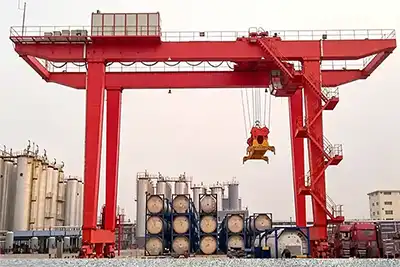
Rubber Tyred Gantry cranes, commonly known as RTG cranes, are mobile gantry cranes equipped with rubber tires that allow them to move freely around container yards and ports. These cranes are designed primarily for stacking and moving shipping containers, offering flexibility compared to fixed rail-mounted cranes. Their ability to travel on rubber tires makes them ideal for operations requiring mobility and adaptability over large areas.
- Mobile container handling cranes
- Operate on rubber tires for easy movement
- Common in ports, container yards, and intermodal terminals
- Available in various lifting capacities, typically ranging from 30 to 80 tons or more
Why Understanding Rubber Tyred Gantry Crane Price Matters
For logistics operators, port authorities, and industrial buyers, understanding the rubber tyred gantry crane price is crucial to budgeting and project planning. RTG cranes represent a significant investment, so knowing the cost factors helps buyers make informed decisions that balance performance and budget.
- Helps plan capital expenditures accurately
- Assists in comparing different crane models and suppliers
- Identifies cost drivers and potential savings opportunities
- Supports long-term operational and maintenance budgeting
Key Factors Influencing RTG Crane Price in 2025
The rtg crane price in 2025 is influenced by several evolving factors. Buyers should consider these elements to understand pricing trends and get the best value for their investment:
- Crane Capacity: Larger lifting capacities generally increase price due to heavier components and more powerful systems.
- Power Source: Diesel-electric, fully electric, or hybrid RTGs vary in cost, with fully electric models often commanding a premium for energy efficiency and environmental benefits.
- Automation Level: Cranes equipped with advanced automation and remote control systems typically cost more but offer productivity gains.
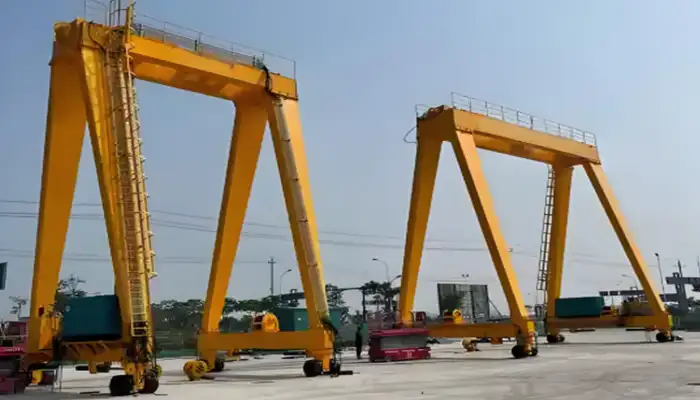
- Frame Design: Choices between A-frame and U-frame affect structural complexity and cost.
- Add-Ons and Customizations: Specialized attachments, safety features, and software integrations add to the base price.
- Market Conditions: Raw material costs, labor rates, and supply chain disruptions can impact manufacturing expenses.
Price Ranges by Capacity
Typical RTG Crane Capacities Explained
Rubber Tyred Gantry cranes come in a variety of lifting capacities to match different operational needs. The most common capacity categories for RTG cranes in 2025 range from 30 tons up to 80 tons or more. Each capacity class serves specific container handling or industrial tasks, impacting the crane’s size, complexity, and ultimately, its price.
- 30-40 tons: Small capacity RTGs for light container loads or smaller yard operations
- 50-60 tons: Medium capacity RTGs, suitable for standard container stacking and heavier loads
- 70-80 tons and above: Large capacity RTGs for heavy-duty applications and large container terminals
Understanding these capacity classes helps buyers narrow down options and budget accordingly.
Price Brackets for Different RTG Capacities
Small Capacity RTGs (30-40 Tons)
Small capacity RTG cranes are ideal for smaller container yards or operations with lighter load requirements. They often have a simpler design and lower power needs, making them more budget-friendly.
- Typical price range: $700,000 to $1.2 million (USD) depending on features
- Common applications: Small ports, inland container depots, warehouses, and light-duty container handling
- Advantages: Lower purchase price, easier maintenance, and lower operating costs
Medium Capacity RTGs (50-60 Tons)
This is the most popular RTG range, balancing capacity and cost-effectiveness. Medium capacity RTGs are versatile and suitable for most container terminal operations.
- Typical price range: $1.2 million to $2.5 million (USD)
- Common applications: Standard container stacking, general cargo yards, mid-sized ports
- Advantages: Handles a wide variety of container weights, good operational flexibility
Large Capacity RTGs (70-80 Tons and Above)
Heavy-duty RTG cranes cater to large container terminals and industrial facilities handling oversized or extra-heavy loads. These cranes have reinforced structures and more powerful drive systems.
- Typical price range: $2.5 million to $4 million+ (USD)
- Common applications: Major container ports, heavy industrial yards, specialized cargo handling
- Advantages: High lifting capacity, advanced features, longer service life
How Capacity Affects Overall RTG Crane Price
Capacity is one of the most significant factors impacting the rtg crane price. Larger capacities require:
- Heavier and stronger steel structures, increasing material costs
- More powerful motors and hydraulic systems, raising component prices
- Enhanced safety features and control systems to manage higher loads
- Increased manufacturing and testing complexity
As capacity grows, prices don’t just increase linearly—they tend to rise faster due to these engineering and safety demands. Therefore, selecting the right capacity based on your operational needs is critical to avoid unnecessary costs.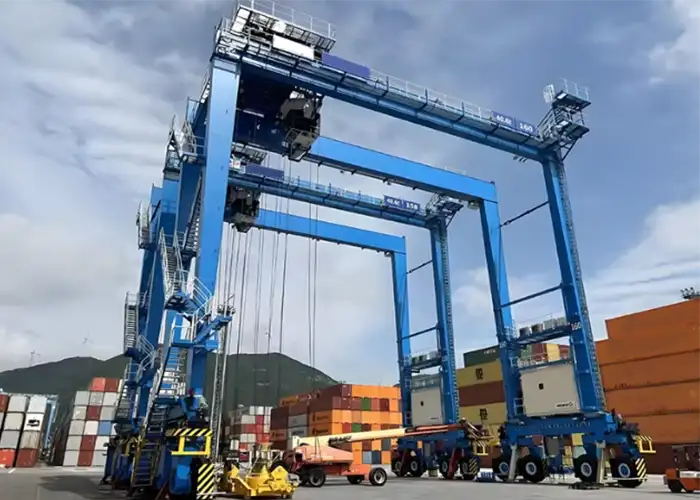
U Frame rubber tyred gantry crane for container handing at ports and yards
Price Variation by Key Features
One of the most important factors influencing rubber tyred gantry crane price is the type of powertrain used. The choice between diesel-electric, fully electric, and hybrid drives has a significant impact on upfront costs and long-term operational expenses.
Diesel-electric RTGs:
- Generally lower initial purchase price compared to electric models
- Widely used due to flexibility and established technology
- Higher fuel and maintenance costs over time
Fully electric RTGs:
- Higher upfront cost due to batteries, electric motors, and charging infrastructure
- Reduced emissions and operating costs
- Preferred in regions with strict environmental regulations
Hybrid RTGs:
- Mid-range price, combining diesel power with battery assistance
- Offers fuel savings and lower emissions without full electric infrastructure
- Increasingly popular for transitional fleets
Understanding the drive type's influence helps buyers balance capital expense with total cost of ownership.
Automation is reshaping the RTG crane market, and the level of automation selected can dramatically affect the rtg crane price.
Manual RTGs:
- Lowest price point, operated entirely by a human driver in the cabin
- Suitable for smaller operations or where automation investment is limited
Semi-automated RTGs:
- Includes remote control options and some automated stacking features
- Moderate price increase for improved safety and efficiency
Fully automated RTGs:
- Highest cost, featuring GPS, AI-driven operations, and remote monitoring
- Reduces labor costs and improves throughput
- Increasingly adopted in large, high-volume ports
Automation investments should be matched to operational goals and budget constraints.
The choice of crane frame design also influences price and performance.
A-frame RTGs:
- Taller, more rigid frames designed for larger container stacks
- Often more expensive due to higher steel usage and engineering complexity
- Better suited for ports requiring higher stacking heights
U-frame RTGs:
- More compact and lighter frames
- Generally lower cost with easier maintenance
- Suitable for yards with lower stacking requirements or tighter spaces
Buyers should evaluate site constraints and operational needs to select the optimal frame type without overspending.
Tires are a critical component of RTG cranes, and their type and quality directly affect price and lifecycle costs.
Standard rubber tires:
- Less expensive but may wear faster under heavy use
- Suitable for smoother yard surfaces
Specialized heavy-duty tires:
- Higher initial cost
- Designed for rough terrain and heavy loads
- Longer lifespan and reduced downtime
Brand and origin:
- Premium brands charge more but often provide better durability and service support
- Consider total lifecycle cost, not just upfront price
Choosing the right tire type optimizes both performance and maintenance budgets.
Control systems range from basic manual controls to advanced AI-assisted operation, impacting both price and crane efficiency.
Manual cabin controls:
- Standard in most RTGs
- Lower cost but requires full operator presence
Remote control systems:
- Mid-tier price increase
- Enhances operator safety by allowing control from a distance
AI and sensor integration:
- Top-tier cost due to complex software and hardware
- Enables predictive maintenance, collision avoidance, and optimized operation
- Supports fully automated or semi-automated workflows
Typical Add-Ons and Their Price Impact
Spreader Bars and Container Handling Attachments
Spreader bars and container handling attachments are fundamental to the versatility and efficiency of RTG cranes. These add-ons allow the crane to securely grip and move different container sizes and weights, making them essential for container terminal operations. Depending on the type and complexity, these attachments can have a notable impact on the overall price.
- Standard spreaders: Included in base price; handle 20ft, 40ft, and 45ft containers
- Specialized attachments: Remote locking, multi-container lifts, grabs, magnets
- Price impact: Basic add-ons add little cost; custom attachments range from $50,000 to $200,000+
Investing in the right attachments ensures smooth operations and faster container handling but may increase the initial investment significantly, especially for specialized or multi-container lifting equipment.
Additional Safety Features
Safety add-ons are critical for protecting operators, equipment, and cargo. Modern RTG cranes increasingly incorporate advanced safety technologies that reduce accidents and operational risks. While these features increase the purchase price, they contribute to safer and more efficient operations.
- Anti-collision systems: Radar, lidar, GPS to prevent collisions in busy yards
- Cameras and sensors: Enhance visibility, load monitoring, and blind-spot detection
- Operator alerts: Alarms for overload, wind speed, system faults
- Price impact: Safety packages typically cost between $20,000 and $150,000
Though adding to upfront costs, investing in safety systems often results in lower insurance premiums and fewer costly downtime events in the long run.
Environmental Upgrades
Environmental concerns are driving many buyers to choose RTG cranes with noise reduction and emission control features. These upgrades help comply with increasingly strict regulations, especially in urban or environmentally sensitive areas, but they do come at a price.
- Noise reduction: Acoustic enclosures, mufflers for quieter operation
- Emission controls: Diesel particulate filters, catalytic converters to meet regulations
- Price impact: Environmental features can add $30,000 to $100,000+
Besides regulatory compliance, these upgrades improve community relations and reduce the environmental footprint of port operations.
Software Packages for Fleet and Maintenance Management
Digital solutions are transforming how RTG cranes are operated and maintained. Fleet and maintenance management software helps operators track crane usage, schedule maintenance, and reduce unexpected failures, thus improving overall productivity.
- Fleet management: Real-time tracking and scheduling
- Predictive maintenance: AI-driven failure prediction
- Remote diagnostics: Manufacturer support and troubleshooting
- Price impact: Software costs range from $10,000 to $250,000+ depending on sophistication
Though software adds to the initial cost, its value in minimizing downtime and optimizing asset utilization often outweighs the expense over time.
Customization Options
Many buyers want RTG cranes tailored to their specific operational needs or corporate branding. Custom paint, climate adaptations, and ergonomic cabin modifications can enhance crane performance and operator comfort but typically come with a price premium.
- Paint and branding: Custom colors, logos, protective coatings
- Operational adaptations: Climate-specific coatings, ergonomic cabin modifications
- Additional features: Enhanced lighting, heating, air conditioning
- Price impact: Customizations add roughly 3% to 10% of base price
Tailoring the crane to your environment and brand identity can improve functionality and workforce satisfaction, making customization a worthwhile investment for many.
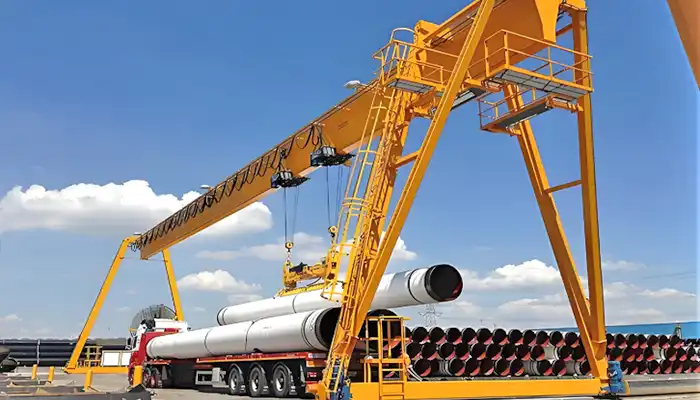
single girder rubber tyred gantry crane for long pipe handling
Additional Costs to Consider
Transportation and Logistics Fees for Delivery
When budgeting for an RTG crane purchase, it’s important to factor in transportation and logistics costs. RTG cranes are large, heavy equipment often shipped internationally or over long distances, which can add significantly to the total price.
- Shipping by sea or land freight depending on origin and destination
- Special handling for oversized loads requiring permits or escorts
- Costs vary widely by distance, customs fees, and transport mode
Ignoring these fees can lead to budget overruns, so buyers should obtain detailed logistics quotes early in the purchasing process.
Installation and Commissioning Expenses
Once the RTG crane arrives onsite, installation and commissioning are critical steps before it can be operational. These services usually come with their own costs and must be planned for in advance.
- Crane assembly and structural setup
- Electrical hookups and power system integration
- Testing and calibration of all crane systems
- Time and labor charges from the manufacturer or third-party contractors
Accurate estimation of installation expenses helps prevent surprises and ensures a smooth startup.
Operator Training and After-Sales Service Contracts
Proper operator training is essential for safety and maximizing crane efficiency. Many manufacturers offer training programs that can be bundled with the crane purchase. Additionally, after-sales service contracts cover routine maintenance, repairs, and technical support.
- Onsite or virtual operator training sessions
- Maintenance and inspection schedules included in service contracts
- Emergency repair and parts replacement options
- Extended warranties and support agreements
These services add to the initial cost but improve long-term reliability and reduce downtime.
Maintenance and Spare Parts Availability Impact on Total Ownership Cost
Maintenance is a continuous cost throughout the crane’s lifecycle. The availability of spare parts and ease of servicing influence not just expenses but also operational uptime.
- Regular replacement of wear parts like tires, brakes, and hoist components
- Access to genuine manufacturer parts versus third-party alternatives
- Local service center presence or remote support availability
- Planned downtime for preventive maintenance
Buyers should consider these factors as part of the total cost of ownership, not just the purchase price.
Regional Price Trends
Price Differences Based on Market Regions
The price of Rubber Tyred Gantry cranes can vary significantly depending on the geographic market. Differences in manufacturing bases, labor costs, and regional demand influence pricing across Asia, Europe, and North America.
Asia:
- Often offers the most competitive base prices due to local manufacturing hubs, especially in China, South Korea, and India
- Growing quality standards and advanced features narrowing the price gap with Western markets
Europe:
- Higher prices generally reflect stricter quality standards, environmental regulations, and higher labor costs
- Strong focus on sustainability often means more electric RTGs and higher upfront investments
North America:
- Prices tend to be higher due to stringent safety and environmental compliance, plus import duties on foreign equipment
- Limited domestic manufacturers lead to reliance on imports, adding transportation and tariff costs
Impact of Tariffs, Taxes, and Local Regulations
Tariffs, import taxes, and local regulations can have a substantial impact on the final rtg crane price. These factors often add unexpected costs and should be carefully considered during the procurement process.
- Import duties can add 5% to 25% or more depending on the country and trade agreements
- Value-added taxes (VAT) or sales taxes vary by region and affect total purchase price
- Local certification and compliance requirements may necessitate additional modifications or inspections
- Environmental regulations might mandate costly upgrades or limit certain crane types
Buyers are advised to consult with customs brokers and local authorities to anticipate these charges and avoid delays.
Tips for Buyers to Get the Best Price
Compare Quotes and Evaluate Supplier Reputation
One of the most effective ways to ensure you get a competitive rubber tyred gantry crane price is to request and compare multiple quotes from reputable suppliers. Price alone shouldn’t be the only factor—consider the supplier’s track record, customer service, and after-sales support.
- Obtain detailed quotes that clearly outline included features and services
- Check customer reviews and ask for references or case studies
- Evaluate supplier responsiveness and willingness to customize solutions
Choosing a trusted supplier can save money on maintenance and reduce downtime over the crane’s lifecycle.
Consider Total Cost of Ownership, Not Just Initial Price
The lowest initial price doesn’t always translate into the best value. Consider the total cost of ownership (TCO), which includes operating costs, maintenance, energy consumption, and potential downtime.
- Factor in fuel or electricity costs based on drive type (diesel-electric, electric)
- Include expenses for spare parts, service contracts, and operator training
- Consider the resale value or trade-in opportunities at the end of the crane’s service life
A slightly higher upfront cost can lead to significant savings and improved reliability over time.
Time Your Purchase Strategically
Market trends, manufacturer production cycles, and global economic conditions can influence RTG crane pricing. Timing your purchase can help you secure better deals or take advantage of promotional discounts.
- Monitor industry events like trade shows where special offers may be available
- Plan purchases during off-peak seasons when demand is lower
- Keep an eye on raw material price fluctuations that affect manufacturing costs
Working closely with suppliers to identify optimal purchase windows can improve your buying outcome.
Specify Exact Requirements to Avoid Overpaying
Clear and detailed specifications help suppliers provide accurate quotations and prevent costly over-engineering. Being precise about your operational needs ensures you only pay for necessary features.
- Define lifting capacity, stacking height, and operational environment
- Clarify power supply, automation level, and required attachments
- Discuss maintenance capabilities and preferred service options
Detailed requirements minimize surprises and avoid paying for features you don’t need.
Conclusion
Recap of Key Factors Influencing Rubber Tyred Gantry Crane Prices in 2025
Understanding the factors that shape the rubber tyred gantry crane price is essential for making informed purchasing decisions. In 2025, prices are primarily driven by:
- Crane capacity: Larger lifting capacities increase costs due to heavier materials and stronger components
- Drive type: Diesel-electric, fully electric, or hybrid systems affect upfront and operating expenses
- Automation and control systems: Advanced automation and AI features come with higher price tags but can improve efficiency
- Add-ons and customization: Attachments, safety features, environmental upgrades, and custom branding add to the base price
- Regional market influences: Tariffs, taxes, and local regulations can cause significant price variations depending on the buyer’s location
By keeping these factors in mind, buyers can better anticipate budget needs and evaluate supplier offers effectively.
Final Advice on Balancing Capacity, Features, and Add-Ons for Best Value
Finding the right balance between crane capacity, essential features, and useful add-ons is key to maximizing return on investment. Over-specifying can lead to unnecessary expenses, while under-specifying may cause operational bottlenecks.
- Prioritize capacity based on actual lifting needs and future growth plans
- Select features and automation levels aligned with your operational goals and workforce skills
- Choose add-ons that deliver tangible safety, environmental, or productivity benefits
- Avoid paying for high-end options that won’t be fully utilized
This balanced approach ensures you invest wisely without compromising performance or reliability.
Encouragement to Consult Trusted Suppliers for Tailored Quotations
No two operations are exactly alike, and customized RTG crane solutions often provide the best fit and value. Engaging with experienced and reputable suppliers early in the process can help you:
- Clarify your specific requirements and site conditions
- Receive tailored quotations reflecting your operational needs and budget
- Explore flexible financing, maintenance, and service packages
- Benefit from expert advice on the latest technology and regulatory compliance
Partnering with trusted suppliers not only helps secure competitive pricing but also ensures long-term support and success.