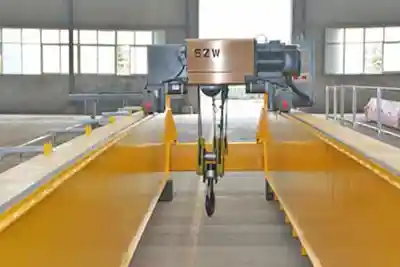
How to Increase Lifting Height on Overhead Cranes
Most Important Takeaway (at the very beginning)
Optimizing lifting height is about understanding space, crane type, hoist selection, girder design, and lifting accessories. By adjusting these factors, you can lift heavier or taller loads safely without redesigning your facility.
Key Questions Solved in This Guide:
- How can I lift higher without changing the entire crane system?
- What crane types and hoists maximize lifting height?
- How do accessories affect hook and lifting height?
- Which adjustments give the most impact at the lowest cost?
Key Takeaways in Bullets:
- Clear height above the crane sets the first limit for lifting.
- Double girder cranes generally provide the highest hook reach.
- Choosing low-profile girders and specialized hoists increases vertical capacity.
- Accessories like slings or spreaders reduce effective lifting height; optimize them.
- Misconceptions such as runway height or end carriage adjustments rarely impact lifting height.
Introduction
In many factories, space is at a premium, and every inch counts. Overhead cranes are essential for moving heavy materials, but lifting height is often a concern. When ceilings are low, or when pipes, ducts, or equipment hang overhead, operators can’t always lift loads to the full potential of the crane. This limitation affects not only efficiency but also workflow planning and safety.
- Limited ceiling space: Some facilities simply don’t have the vertical clearance to lift large loads.
- Obstructions above the crane: Things like HVAC ducts, lights, or garage door tracks can block the crane path.
- Workflow constraints: Materials need to be lifted and moved without interrupting production lines, which can limit crane travel and lifting options.
Understanding what truly influences lifting height is key. Many assume that just raising the runway track or modifying the crane supports will increase lifting height, but the reality is more nuanced. The crane type, girder design, hoist selection, available clear height, and even lifting accessories all play a role.
The goal of this guide is to give you practical, actionable information. You’ll learn which factors really matter, which adjustments provide the most benefit, and how to plan your crane operations safely and efficiently. By the end, you’ll know exactly how to maximize lifting height without completely overhauling your facility or crane system.
Overhead crane, low headroom overhead cranes
Factors That Directly Influence Lifting Height
Maximizing the lifting height of an overhead crane isn't just about buying a bigger crane. Several practical factors determine how high you can lift safely and efficiently. Knowing them helps you make smart choices without unnecessary expense or downtime.
Clear height is the vertical distance between the floor and the first overhead obstruction. This could be the ceiling, a light fixture, an HVAC duct, or even a garage door track. It's the first limitation you need to consider because if there isn't enough space, nothing else can compensate.
- Check for obstacles like ceiling beams, ductwork, pipes, or tracks that can be moved or adjusted.
- Even small adjustments, like raising a door track or repositioning pipes, can add significant lifting capacity.
- Always measure from the ground to the lowest obstruction, not just the top of the crane.
Practical tip: Sometimes a minor layout change can give you several extra centimeters of lifting height, which can make a big difference for tall or bulky loads.
The crane type heavily influences lifting height because of how the hoist moves relative to the girder.
- Single girder cranes: The hoist travels under the beam, which reduces maximum hook height.
- Double girder cranes: Hoist moves above the girders, offering the highest lifting potential. Bulky loads may require additional accessories, though.
- Under running cranes: Suspended from the runway; typically have lower lifting height due to clearance below the girder.
Practical tip: If lifting height is critical, a double girder crane is usually worth the extra cost, often around 20–30% more, but it allows you to maximize vertical reach.
The girder itself also plays a role. Low-profile or thinner girders let the hoist reach higher without compromising stability.
- Single girder cranes are more sensitive to girder thickness—thicker beams reduce hook height.
- On double girder cranes, hoists traveling on top are less affected by girder thickness.
Practical tip: When choosing a crane, ask your supplier about low-profile girder options—they can add lifting height without requiring structural changes to your facility.
Not all hoists are created equal. Wire rope and chain hoists have different designs that affect how high the hook can travel.
- Low-headroom chain hoists: Good for limited ceiling space; ultra-low-headroom models can maximize lifting height in tight areas.
- Wire rope hoists: Larger capacities, but sturdier designs may reduce clearance if the hoist is heavy or tall.
- Remember, hook height is not the same as lifting height—accessories under the hook, like slings or spreaders, reduce total lift.
Practical tip: Match your hoist type to both the load weight and the available clearance. Low-headroom hoists often offer the best compromise between capacity and vertical reach.
Attachments like slings, spreader bars, or auxiliary lifting hooks can reduce effective lifting height.
- Minimize the height of accessories whenever possible.
- Consider auxiliary hoists for very tall loads—they can remove the need for long slings or bulky attachments.
- Always plan accessory use in advance, because improper setup can cost you several centimeters of vertical reach.
Practical tip: Adjusting accessories is usually much easier and cheaper than changing the crane itself, and it can solve many height limitations in your facility.
Common Misconceptions About Lifting Height
When planning to increase lifting height, it's easy to focus on changes that won't actually help. Let's debunk the most common myths so you can focus on what truly makes a difference.
It's a common belief that lifting the crane runway will allow the hook to reach higher. In practice:
- Lifting height depends on the crane components, not the track itself.
- Raising the runway may help fit the crane under low ceilings, but it doesn't increase hook or lifting height.
- Tip: Focus on hoist selection, girder profile, and available clear height rather than track height.
Some think modifying the end carriage connections will give more lift. The reality:
- End carriage adjustments are primarily for aligning the crane with the runway.
- They do not add any vertical lifting capacity.
- Tip: Use end carriage adjustments for installation purposes only; don't rely on them to increase lifting height.
Compact double girder cranes have lower girders and recessed hoists. While they help with bulky loads:
- They free up space around the load, but the hook height remains roughly the same.
- They improve clearance for handling, not lifting height.
- Tip: Consider compact designs to handle large or wide loads, but combine with other solutions if lifting height is your main goal.
Bottom Line:
Many mistakes in planning lifting height come from focusing on the wrong modifications. Instead of changing track height or relying on carriage adjustments, prioritize clear height, crane type, girder design, hoist selection, and optimized lifting accessories. These are the factors that truly influence how high your crane can lift safely.
Practical Solutions to Maximize Lifting Height
Increasing lifting height isn't about one single change—it's about combining several practical adjustments. By addressing facility layout, crane type, hoist design, and lifting accessories together, you can gain significant vertical reach without major construction.
Small changes to your workspace can make a big difference.
- Move or raise overhead obstacles such as ductwork, lighting, or garage tracks.
- Ensure the clear height above the crane is fully utilized.
- Sometimes, simply rearranging equipment or piping can add several centimeters of lifting capacity.
Tip: Always measure from the floor to the lowest obstruction before making any decisions on cranes or hoists.
The crane itself plays a huge role in how high you can lift.
- Double girder cranes typically offer the maximum hook height.
- Single girder cranes reduce lifting height because the hoist travels below the girder.
- Avoid under running cranes if lifting height is a priority, as their suspended design usually lowers the maximum reach.
Tip: If your budget allows, investing in a double girder crane often gives the best long-term flexibility.
Not all hoists perform the same in limited height situations.
- Low-headroom chain hoists and ultra-low-headroom wire rope hoists can significantly increase vertical reach.
- Pay attention to hook height vs. lifting height—accessories like slings or spreaders reduce effective lift.
- Match the hoist type to both load weight and available clearance for optimal performance.
Even small changes in lifting attachments can improve total lifting height.
- Minimize the height of slings, spreader bars, or other attachments whenever possible.
- Consider auxiliary hoists to replace long or bulky accessories.
- Evaluate the impact of accessories before investing in a new crane—they are often the most cost-effective way to increase lift.
Some solutions may involve structural upgrades, others just component adjustments.
- Structural modifications, like raising beams or adding supports, can be expensive and disruptive.
- Adjusting crane type, hoist design, or accessories is usually faster and cheaper.
- Prioritize solutions that provide the highest gain in lifting height for the least cost.
Tip: A combination of modest facility adjustments, a suitable crane, the right hoist, and optimized accessories often delivers the best results without breaking the budget.
FAQ – Common Concerns of Crane Buyers
When it comes to lifting height, industrial buyers often have the same questions. Here are the most common concerns and practical answers based on real-world crane operations.
Yes, you often can. The trick is to combine the right crane type, hoist, and accessories.
- Double girder cranes give the highest hook reach.
- Low-headroom hoists or ultra-low-headroom wire rope hoists can maximize vertical clearance.
- Optimizing slings, spreader bars, or other lifting attachments often recovers several centimeters of lift without touching the runway.
Tip: Focus on the components and accessories rather than relocating the runway—it's usually faster, safer, and cheaper.
It depends on your facility and load, but:
- Wire rope hoists generally provide higher lifting capacity and reach.
- Specialized chain hoists with remote motors or low-headroom design can be ideal for tight spaces.
- Always check the hook height vs. lifting height for your chosen model.
Tip: Ask your supplier for hoists designed specifically for low-clearance or maximum lift applications.
Sometimes, yes—but only in certain cases.
- On single girder cranes, low-profile or thinner girders can allow the hoist to travel higher.
- On double girder cranes, girder thickness is usually less of a factor.
Tip: Structural girder changes are more expensive, so consider hoist and accessory optimization first.
Accessories matter more than many buyers realize.
- Slings, spreader bars, and auxiliary hooks can reduce total lifting height by tens of centimeters.
- Optimizing accessory design or using auxiliary hoists can recover a significant portion of lost height.
Tip: Before investing in a new crane, review all attachments—the right accessory setup can save money and maximize lift.
Not really.
- Raising or lowering the runway mainly affects crane fit under ceilings.
- It does not increase hook or lifting height.
Tip: Focus on clear height, hoist selection, and accessory setup for real gains.
Understanding this difference is critical.
- Hook height: Distance from the ground to the hoist hook at its highest position.
- Lifting height: Distance from the ground to the top of the load being lifted.
- Accessories like slings or spreader bars reduce lifting height even if hook height is unchanged.
Tip: Always calculate lifting height based on the load plus any attachments, not just the hook position.
Summary: By understanding these practical FAQs, buyers can make smarter decisions when planning for higher lifts. Focus on crane type, hoist design, accessories, and facility layout rather than assumptions about tracks or end carriages—this is where the real gains come from.
Conclusion
Maximizing the lifting height of an overhead crane isn’t about making one big change—it’s about understanding what truly matters and combining practical solutions. The runway track or end carriage adjustments rarely increase vertical reach. Instead, focus on these core factors:
- Clear space above the crane: Make the most of available ceiling height by addressing overhead obstacles.
- Crane type: Double girder cranes generally offer the highest hook reach.
- Girder design: Low-profile or thinner girders can allow higher travel for the hoist.
- Hoist selection: Choose low-headroom or specialized wire rope hoists suited to your facility’s height.
- Accessories: Optimize slings, spreaders, and auxiliary hooks to minimize height loss.
By combining these adjustments with the right equipment, industrial buyers can:
- Safely lift taller or heavier loads without expensive facility modifications.
- Maintain efficient workflow and reduce downtime.
- Plan for future production growth or additional cranes without major redesigns.
Practical takeaway: A careful combination of crane type, hoist design, facility layout, and accessory optimization delivers the best results. It’s a cost-effective approach that ensures both safety and operational efficiency for today and tomorrow.