15 Ton vs 20 Ton vs 25 Ton — How to Match Crane Capacity to Your Needs
Compare 15, 20, and 25-ton cranes to choose the right capacity, improve safety, efficiency, and workflow in your plant
Brief Overview of Overhead Cranes in Industrial Applications
Overhead cranes are the backbone of many industrial operations. You’ll find them in steel mills, workshops, warehouses, shipyards, and construction sites. They make it possible to lift, move, and position heavy materials safely and efficiently. From steel slabs to machinery parts, these cranes handle loads that would be impossible—or extremely unsafe—to move manually.
Key Points:
- Used in factories, steel plants, and warehouses for heavy lifting.
- Can handle individual loads from a few tons up to hundreds of tons.
- Improve material handling efficiency and reduce manual labor.
- Come in different types: single girder, double girder, gantry, and overhead bridge cranes.
Importance of Selecting the Right Crane Capacity
Choosing the right crane capacity is not just a technical detail—it’s a decision that affects your entire operation. Too small a crane may struggle with heavy loads, slowing down work and putting stress on the equipment. Too large a crane, on the other hand, can increase costs, take up unnecessary space, and consume more power than needed. Finding the right balance is essential.
Considerations for Buyers:
- Maximum load you need to lift regularly.
- Frequency of lifting and operating cycles.
- Size and layout of your workshop or plant.
- Compatibility with existing cranes, trolleys, or hoists.
- Safety standards and regulations for lifting operations.
How Choosing the Correct Tonnage Affects Safety, Efficiency, and ROI
The tonnage you choose directly affects safety, operational efficiency, and your return on investment. A crane that’s underpowered increases the risk of accidents and equipment wear. An oversized crane can raise upfront costs and maintenance without providing real benefits. Picking the right capacity ensures smooth operations, safer handling of materials, and lower long-term costs.
Practical Impacts:
- Safety: Correct capacity prevents overloads and reduces accident risks.
- Efficiency: Matches crane speed, hoist type, and load handling to your workflow.
- Cost-Effectiveness: Avoid unnecessary spending on oversized cranes while meeting current and future needs.
- Durability: Properly rated cranes last longer and require less frequent maintenance.
Crane Capacity
- Expressed in tons (e.g., 15t, 20t, 25t).
- Determined based on the crane's structure, hoist, trolley, and safety devices.
- Always consider it as a guideline, not a challenge to push the crane beyond.
- Includes the weight of the load plus any lifting attachments.
- Load Type: Uniform loads like steel plates are easier to handle. Irregular or bulky loads, like machinery, may reduce effective capacity.
- Attachments: Hooks, grabs, magnets, or clamps add extra weight and affect balance. Factor these into total lifting weight.
- Lifting Height: The higher you lift, the more stress on the crane. Long lifts may reduce effective capacity.
- Span and Reach: Wider spans can slightly reduce lifting efficiency due to beam deflection.
- Operating Conditions: Outdoor cranes facing wind, vibration, or uneven surfaces need extra margin.
- Standard safety factor is usually 1.25 to 1.5 times the rated capacity.
- Regular inspections and load testing are required.
- Follow ISO, CE, or local industrial lifting standards.
- Never lift loads above rated capacity—even occasionally.
- Train operators to understand and respect crane limits.
15 Ton Overhead Cranes
A 15-ton crane is a versatile option for medium-duty lifting. It’s ideal for workshops and facilities where loads are heavy but not extreme. Many buyers find it fits well in plants with limited space and moderate material handling needs.
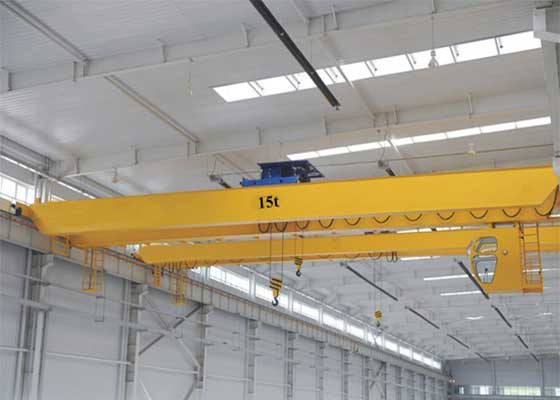
15 ton overhead cranes for sale, check more types and specificaitons
Common Industries:
- Steel fabrication shops
- Medium-scale manufacturing workshops
- Logistics and storage centers
Typical Loads:
- Steel beams and bars
- Medium billets or small slabs
- Machinery parts and assembly components
Advantages:
- Compact size fits smaller workshops
- Lower initial cost compared to larger cranes
- Easier to install and maintain
Limitations:
- Not suitable for very heavy or irregular loads
- May require multiple lifts for large materials
- Limited future-proofing if load demands increase
20 Ton Overhead Cranes
The 20-ton crane is often the sweet spot for heavier workshops and steel handling plants. It can handle a wider variety of loads without being as large or costly as a 25-ton crane. It’s common in facilities that need flexibility for both medium and heavy materials.
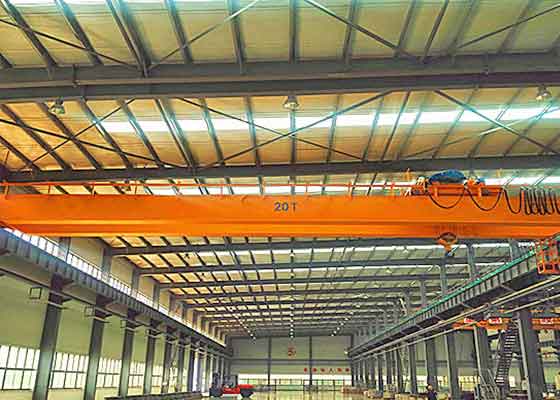
20 ton overhead bridge cranes for sale, check types of 20 ton overhead cranes and specificaitons
Common Industries:
- Heavy manufacturing workshops
- Steel mills and processing plants
- Construction material handling yards
Typical Loads:
- Steel slabs and plates
- Coils and bundled materials
- Large machinery and equipment
Benefits:
- Can handle a broad range of loads efficiently
- Suitable for both single and multi-shift operations
- Offers good balance between cost and capacity
Potential Constraints:
- Larger than 15-ton cranes, needs more headroom and runway strength
- Slightly higher installation and maintenance costs
- May be oversized for small workshops with lighter loads
25 Ton Overhead Cranes
A 25-ton crane is for serious heavy-duty operations. It’s used where the materials are extremely heavy or oversized, such as steel mills or shipyards. These cranes are designed for reliability and long-term industrial use, but they require proper infrastructure and planning.

25 ton overhead crane for sale, check types of 25 ton overhead cranes for sale and crane specifications
Common Industries:
- Large steel mills
- Foundries and casting plants
- Shipyards and heavy engineering facilities
Typical Loads:
- Very heavy steel billets and blooms
- Molds and dies for manufacturing
- Large industrial machinery or equipment
Advantages:
- Handles very heavy loads safely and reliably
- Future-proofs operations against increasing material weight
- Suitable for multi-shift, high-demand environments
Considerations:
- Higher cost and energy consumption
- Requires stronger runway beams and workshop layout planning
- Larger footprint and installation complexity
Comparing Key Specifications
- 15 Ton Overhead Cranes: Usually have moderate spans (10–20 meters) and lifting heights suitable for standard workshops. Works well for medium loads without requiring reinforced runway beams.
- 20 Ton Overhead Cranes: Can cover wider spans (20–30 meters) and higher lifts, ideal for steel slabs, coils, or heavier machinery. Runway beams need to be stronger to handle extra weight.
- 25 Ton Overhead Cranes: Designed for very heavy loads and long spans (30+ meters). Typically installed in steel mills or foundries. Requires careful structural planning and sufficient headroom.
- Wire Rope Hoist: Common for 15–25t cranes; handles heavy loads with smooth lifting. Best for industrial applications with high lifting heights.
- Chain Hoist: More compact, often used for lighter 15t cranes or short-span lifting. Durable, but slower for heavy-duty operations.
- Specialized Hoists: Includes electromagnetic, vacuum, or grab hoists for specific materials like slabs, coils, or irregular shapes. Improves safety and efficiency for specialized loads.
- Lifting Speed: Faster hoists save time, but high-speed lifting of heavy loads may require extra safety features.
- Travel Speed: Movement along the runway or gantry should match workflow requirements.
- Duty Cycle: Industrial cranes are rated for specific operating cycles (hours per day, starts per hour). Match your crane to your expected workload to prevent wear and downtime.
- Load Handling Efficiency: The right combination of speed, hoist type, and attachments ensures smooth material flow without bottlenecks.
- Pendant Control: Simple, wired control for straightforward operations. Works well in small to medium workshops.
- Radio Remote Control: Provides more flexibility and safety by keeping operators away from moving loads.
- Automation Options: Semi-automatic or fully automated systems for repetitive lifting tasks, ideal for steel mills or high-volume operations.
- Integration: Control systems should align with hoist type, load type, and workflow layout for optimal performance.
Cost Considerations
- 15 Ton Overhead Cranes: Lower initial cost, suitable for medium-duty workshops.
- 20 Ton Overhead Cranes: Moderate price; good balance between capacity and investment.
- 25 Ton Overhead Cranes: Highest cost; designed for heavy-duty industrial environments.
- Routine inspections and lubrication schedules.
- Replacement parts like hoist ropes, brakes, and motors.
- Energy consumption for lifting heavy loads or running multiple shifts.
- Cost of operator training and safety compliance.
- Inverters / Variable Frequency Drives (VFDs): Smooth start/stop, reduced mechanical stress, better energy efficiency.
- Radio Remote Control: Improves operator safety and flexibility; reduces human error.
- Automation Systems: Semi-automatic or fully automated hoists for repetitive or precise lifting tasks.
- Special Attachments: Hooks, grabs, magnets, or clamps for specific material handling needs.
- Compare total cost of ownership, not just initial price.
- Consider long-term benefits like reduced maintenance, higher productivity, and safety compliance.
- Factor in potential downtime costs if the crane is underpowered or overworked.
- Plan for future expansion—sometimes a 20t crane today avoids upgrading costs tomorrow.
Site and Workflow Considerations
- Ensure sufficient clearance along the runway and under the crane hook.
- Plan paths for material flow—raw material in, finished goods out.
- Consider overlap with forklifts, conveyors, or other equipment.
- Think about future expansion—don't block areas where a longer span crane may be needed.
- Properly rated runway beams for the crane capacity.
- Foundation designed for concentrated loads and dynamic forces.
- Alignment and levelness are critical for smooth operation.
- Reinforcement may be required for heavier cranes (20t–25t).
- Verify workshop voltage and frequency matches crane specifications.
- Check if three-phase power is available for heavier cranes.
- Plan wiring routes and circuit protection for safety.
- Consider energy efficiency—VFD-equipped cranes can reduce power consumption.
- Map how the crane will interact with current systems.
- Ensure lifting attachments match materials being moved.
- Plan for synchronized operation with other equipment.
- Avoid workflow conflicts by clearly defining operational zones.
Safety and Regulatory Requirements
- Follow local and international standards (ISO, CE, OSHA, or country-specific regulations).
- Ensure rated capacity is never exceeded.
- Use proper lifting attachments and verify compatibility with load type.
- Implement safety zones to keep operators and other personnel clear of moving loads.
- Conduct initial load tests before first operation.
- Schedule periodic inspections (daily visual checks, monthly detailed inspections, annual certification).
- Inspect critical components: hoist ropes, hooks, brakes, and structural elements.
- Keep inspection records and certifications up to date for regulatory compliance.
- Train operators on safe lifting practices and crane controls.
- Familiarize staff with emergency stops, warning systems, and safety protocols.
- Conduct refresher courses periodically to maintain competency.
- Encourage operators to report issues immediately—prevention is always better than repair.
Decision-Making Framework
Choosing the right crane isn't just about picking a number off a catalog. It requires a careful look at your current needs, workshop layout, and future plans. A structured approach helps you avoid overspending, operational bottlenecks, or safety risks.
Step-by-Step Approach for Matching Crane Capacity to Your Needs
- Record the heaviest single load.
- Note the frequency of lifts per day or shift.
- Include any special attachments that add weight.
- Factor in occasional overloads—plan with a safety margin.
- Measure runway span and height limitations.
- Identify obstacles along travel paths.
- Check structural strength of beams for intended tonnage.
- Ensure sufficient clearance for attachments and load swings.
- Evaluate potential increases in load weight or frequency.
- Consider additional shifts or higher operational demands.
- Plan for larger spans or extended workflow areas.
- Avoid underpowered cranes that may need early replacement.
- Analyze total cost of ownership: purchase price, installation, energy, and maintenance.
- Match crane capacity to workflow needs without over-specifying.
- Ensure safety standards are fully met for the chosen tonnage.
- Evaluate operator ease, attachments, and control systems for optimal productivity.
Case Studies / Practical Examples
Example 1: Medium Workshop Upgrading from 15t to 20t
A medium-sized metal fabrication workshop was using a 15-ton overhead crane to handle steel beams and machinery components. Over time, production increased, and the crane was struggling with heavier loads and more frequent lifts. Management decided to upgrade to a 20-ton crane to improve efficiency and reduce stress on equipment.
Practical Outcomes:
- Improved Workflow: Heavier beams could be lifted in a single move, reducing handling time.
- Reduced Maintenance: The new crane operated well within capacity limits, decreasing wear and tear.
- Better Safety: Less risk of overloading the crane, reducing potential accidents.
- Lesson Learned: Investing in slightly higher capacity than current needs can prevent operational bottlenecks and extend equipment life.
Example 2: Steel Mill Using a 25t Crane for Slab Handling
A steel mill needed to transport large, heavy steel slabs from the rolling line to storage. The existing 20-ton crane was reaching its limits, causing delays and safety concerns. The mill installed a 25-ton crane with specialized slab grabs and automation for faster handling.
Practical Outcomes:
- Higher Productivity: The crane could lift full slabs without splitting bundles, saving time.
- Enhanced Safety: Specialized grabs reduced the risk of slab slipping during handling.
- Efficient Multi-Shift Operations: The crane supported continuous operations without overheating or overloading.
- Lesson Learned: For heavy industrial operations, matching crane capacity to peak loads and specialized handling needs ensures smooth workflow and worker safety.
Lessons Learned and Practical Insights
- Upgrading crane capacity can solve bottlenecks without requiring major workflow changes.
- Specialized attachments (grabs, magnets, clamps) improve both safety and efficiency.
- Planning for future load increases prevents early replacement or overworked cranes.
- Always balance cost with operational benefits—sometimes a slightly higher investment pays off quickly.
- Safety margins, proper installation, and operator training remain critical, regardless of crane size.
Conclusion
Selecting the right overhead crane capacity—whether 15t, 20t, or 25t—is more than just picking a number. It’s about understanding your loads, workflow, safety requirements, and long-term costs. Choosing correctly ensures smooth operations, protects your team, and maximizes your investment.
Key Takeaways:
- Load: Know your heaviest and most frequent materials. Factor in attachments.
- Workflow: Ensure the crane fits your workshop layout and material flow.
- Safety: Follow industry standards, conduct inspections, and train operators properly.
- Cost: Consider both upfront price and long-term operational expenses.
Remember, a well-chosen crane pays off over years of efficient, safe, and reliable operations. Don’t hesitate to engage experienced crane suppliers—they can provide tailored solutions, confirm technical requirements, and help avoid costly mistakes.