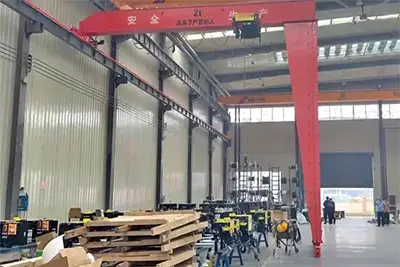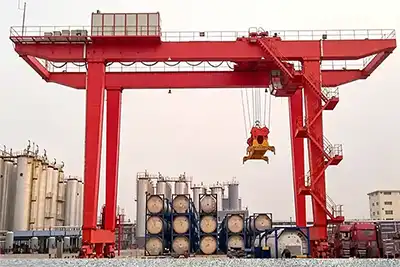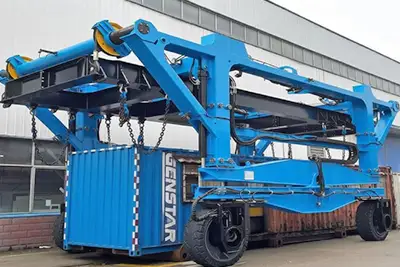
2 Ton to 5 Ton Overhead Cranes for Fire Pump Workshops
Improve safety and efficiency in fire pump production with 2–5 ton overhead cranes. Safely lift and transport brass rods, aluminum bars, and semi-finished parts.
Brass and aluminum are widely used in fire pump and valve manufacturing because of their durability, corrosion resistance, and machinability. Brass rods often form valve components, while aluminum bars and semi-finished parts are common in pump assemblies. Handling these materials properly is essential to ensure quality and safety in production.
Working with non-ferrous metals like brass and aluminum isn’t just about lifting them from one place to another. Improper handling can lead to surface scratches, bending, or even part rejection, which wastes time and increases costs. That’s why safe and precise handling practices are critical in workshops that produce fire equipment.
Overhead cranes with capacities of 2–5 tons are ideal for transporting brass and aluminum in small to medium-sized production facilities. These cranes improve workflow by reducing manual lifting, speeding up transport between casting, machining, and assembly areas, and ensuring that delicate parts are moved without damage.
Key points in this section:
- Brass and aluminum are essential materials in fire pump and valve production.
- Mishandling can cause scratches, deformation, or production delays.
- 2–5 ton overhead cranes enhance safety, efficiency, and material protection.

single girder overhead crane for sale, check more types of 5 ton overhead cranes and specifications
Characteristics of Brass and Aluminum
Understanding the physical properties of brass and aluminum is critical before designing a lifting and transport plan. These metals are lightweight and non-ferrous, meaning they don’t react with magnets and are resistant to rust. This makes them easier to handle than steel, but also more prone to bending or denting if lifted incorrectly.
Both brass and aluminum are sensitive to surface damage. Even minor scratches or dents can affect the fit and function of valves and pumps. That’s why lifting attachments, like soft slings, padded hooks, or specially designed trolleys, are often used to protect the material during transport.
The handling characteristics of these metals directly influence crane operations:
- Weight considerations: Lighter than steel, but uneven loads can still cause tipping or swinging if not properly balanced.
- Surface protection: Use soft straps, protective pads, or cradle-style hooks to avoid marks or scratches.
- Temperature sensitivity: Aluminum, in particular, can expand under heat, so avoid direct sun exposure or hot surfaces during transport.
- Stacking and storage: Brass rods and aluminum bars should be stacked securely to prevent rolling or shifting during lifting.
Typical Applications in Fire Pump Production
In fire pump workshops, brass and aluminum parts are handled constantly, moving between storage, machining, and assembly areas. Without the right lifting equipment, this process can be slow, unsafe, and prone to material damage. Overhead cranes with 2–5 ton capacity make these tasks faster, safer, and more controlled.
Some of the most common applications of these cranes in fire pump production include:
- Transporting Brass Rods and Aluminum Bars: Long rods and bars are heavy and awkward to move by hand. Cranes lift them directly from storage and place them at machining stations safely, preventing bending, scratches, or workplace injuries.
- Moving Semi-Finished Pump Components and Valve Parts: Semi-finished parts can be fragile or irregularly shaped. Using a crane ensures stable lifting and transport, protecting critical tolerances and avoiding damage during handling.
- Handling Small to Medium Assemblies: Assemblies often need to move multiple times between casting, machining, and finishing stations. Cranes make these transfers smooth and organized, keeping production flowing without delays or bottlenecks.
Benefits of Using Overhead Cranes
Overhead cranes are more than just lifting machines—they play a vital role in keeping fire pump workshops safe, efficient, and organized. By handling brass, aluminum, and semi-finished parts properly, these cranes reduce risks, protect materials, and improve overall workflow.
Key benefits include:
- Reduce manual lifting and operator fatigue: Cranes take the weight off workers, allowing them to focus on precision tasks rather than struggling with heavy loads.
- Prevent surface damage to delicate non-ferrous metals: Soft straps, padded hooks, or specialized lifting attachments protect brass and aluminum from scratches, dents, or bending.
- Move irregular or heavy components safely and consistently: Even oddly shaped or semi-finished parts can be lifted and transported with stability, reducing the risk of dropping or shifting.
- Streamline workflow across multiple production areas: Cranes make it easier to transfer materials between storage, machining, and assembly lines, keeping production moving smoothly.
Crane Selection Criteria
Selecting the right overhead crane for handling brass and aluminum is essential for safety, efficiency, and material protection. The right crane ensures smooth workflow while minimizing the risk of damage to delicate non-ferrous metals.
Step 1: Determine Capacity: Before choosing a crane, it’s important to know the weight of the materials you will be lifting. Brass rods, aluminum bars, and semi-finished components each have different weights, so matching crane capacity to your heaviest load is critical.
- 2–5 ton capacity is ideal for typical workshop loads.
- Ensures stable operation without overloading the crane.
Step 2: Choose the Right Crane Type: The crane type should match your workshop layout and production needs. Different cranes offer varying levels of stability, space efficiency, and lifting frequency.
- Single Girder Crane: Compact and cost-effective, great for lighter loads or smaller workshops.
- Double Girder Crane: Offers more stability and smoother lifting for frequent handling of medium assemblies.
- Monorail Crane: Best for long, narrow paths or continuous production lines.
Step 3: Select Appropriate Lifting Attachments: The lifting attachments are just as important as the crane itself. They protect the material’s surface and ensure that irregularly shaped parts are lifted safely.
- Soft Slings and Straps: Prevent scratches or dents on delicate surfaces.
- Hooks, Trolleys, or Custom Devices: Secure rods, bars, or semi-finished parts for stable lifting.
- Optional Magnetic Lifters: Can speed up handling of aluminum or brass if compatible.
Safe Handling Practices
Handling brass and aluminum with overhead cranes requires more than just lifting the load. Proper safety measures protect both the materials and the operators, reduce production delays, and prevent costly damage. Establishing clear handling practices ensures that every lift is smooth, controlled, and safe.
Key practices include:
- Proper load securing and balance: Always ensure that the load is evenly balanced and properly secured before lifting. Uneven or unstable loads can swing, tip, or fall, creating hazards for both personnel and parts.
- Avoiding dragging or sudden impacts: Never drag materials along the floor or strike them against surfaces. Brass and aluminum are soft metals that can easily dent, scratch, or deform under impact.
- Operator training for non-ferrous metal handling: Operators should understand the unique characteristics of brass and aluminum, including weight distribution and surface sensitivity. Trained operators can lift and transport materials efficiently while minimizing risk.
- Routine inspection of lifting gear and crane mechanisms: Regular checks of slings, hooks, trolleys, and crane components help detect wear, damage, or misalignment early. Preventive maintenance keeps equipment reliable and ensures safe operation.
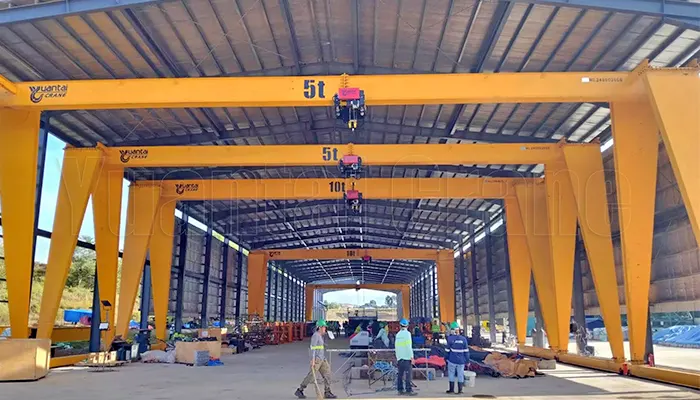
single girder gantry crane for sale, 5 ton gantry crane specifications for your reference
Workflow and Efficiency Optimization
Efficient material handling in a fire pump workshop isn’t just about having a crane—it’s about using it smartly. Proper workflow planning ensures that brass and aluminum parts move smoothly from storage to machining, assembly, and finishing, without unnecessary delays or obstacles.
Key strategies include:
- Designing transport paths for minimal obstruction: Map out crane routes that avoid machinery, storage racks, and high-traffic areas. Clear paths reduce the risk of collisions and make lifting operations faster and safer.
- Reducing manual handling to lower fatigue and risk: Minimize the need for workers to manually move heavy or awkward parts. Let the crane handle the load to prevent strain, injuries, and accidental damage.
- Scheduling crane operations to maximize production throughput: Coordinate lifts to match production cycles, avoiding idle time or bottlenecks. Proper scheduling keeps materials moving steadily and ensures that machining and assembly lines are never waiting.
Implementing these workflow strategies helps maintain a smooth production pace, reduces downtime, and keeps the workshop organized, safe, and efficient.
Maintenance Considerations
Regular maintenance is crucial to keep overhead cranes operating safely and reliably. Proper inspection and care prevent unexpected breakdowns, extend equipment life, and protect both operators and materials.
Maintenance best practices include:
- Regular inspection and lubrication of crane components: Check gears, wheels, motors, and bearings for wear and tear. Lubricate moving parts to prevent friction, overheating, and premature failure.
- Checking lifting attachments for wear or deformation: Inspect slings, hooks, trolleys, and any custom lifting devices regularly. Replace any worn or damaged components immediately to avoid accidents or material damage.
- Preventing contamination or abrasion from metal dust: Clean cranes and attachments frequently, especially in workshops handling aluminum or brass, to prevent buildup that can affect operation or scratch delicate surfaces.
Routine maintenance ensures that cranes remain safe, reliable, and capable of handling non-ferrous metals efficiently, keeping production consistent and reducing downtime.
Case Studies / Real-World Examples
Seeing how overhead cranes are used in real workshops helps illustrate their value. These examples show practical applications of 2–5 ton cranes in fire pump production, highlighting how they improve efficiency, safety, and material handling.
Real-world examples include:
- Transporting aluminum bars to CNC machining lines: Aluminum bars, often long and heavy, were moved directly from storage racks to CNC machines using a 3-ton single girder crane. This minimized manual lifting, reduced the risk of bending or scratches, and kept the machining line running smoothly.
- Moving brass rods to valve assembly stations: Brass rods were lifted and transported safely to assembly stations using soft slings and custom hooks. The crane prevented surface damage, ensured accurate placement, and allowed operators to focus on assembly rather than manual handling.
- Handling semi-finished pump parts safely using 3-ton overhead cranes: Semi-finished pump assemblies often require careful movement between machining and finishing areas. Using a 3-ton overhead crane ensured balanced lifts, protected delicate surfaces, and kept production flowing without delays or accidents.
These case studies demonstrate that properly selected cranes, along with appropriate lifting attachments, can greatly reduce manual labor, improve safety, and maintain part quality throughout the production process.
Benefits of Using 2–5 Ton Overhead Cranes
Overhead cranes are an essential part of modern fire pump workshops. When handling brass and aluminum, these cranes don’t just lift materials—they improve safety, efficiency, and part quality across the production line. Understanding the specific benefits helps workshop managers see why investing in the right crane pays off.
Key benefits include:
- Enhanced safety and reduced manual labor: Cranes take the strain off workers, allowing them to focus on precise operations rather than heavy lifting. This reduces the risk of injuries and improves overall workplace safety.
- Higher precision in material placement: Overhead cranes allow operators to position rods, bars, and assemblies exactly where they need to be, reducing errors and making machining or assembly easier.
- Improved workshop productivity and workflow efficiency: With materials moving quickly and reliably between storage, machining, and assembly areas, production lines stay active, minimizing downtime and bottlenecks.
- Minimized material damage during transport: Proper attachments and careful crane operation prevent scratches, dents, or bending of delicate non-ferrous metals, protecting part quality and reducing waste.
Using 2–5 ton overhead cranes helps workshops handle materials more safely, move them more efficiently, and maintain high-quality standards for fire pump production. The combination of reduced labor, precise placement, and workflow optimization makes these cranes a practical investment for any non-ferrous metal workshop.
Conclusion
Overhead cranes are a vital tool for handling brass and aluminum in fire pump production. They offer clear advantages by improving safety, increasing efficiency, and protecting delicate non-ferrous metals during transport.
Using 2–5 ton cranes allows workshops to move rods, bars, and semi-finished parts quickly and accurately, reducing manual labor and minimizing material damage. These cranes also help streamline workflow across storage, machining, and assembly areas, keeping production lines running smoothly.
For best results, it’s always a good idea to consult with crane specialists. They can recommend the right crane type, capacity, and lifting attachments tailored to your specific workshop layout and production needs.
Send Us An Inquiry
Take the next step toward safer and more efficient material handling in your fire pump workshop. Consider these options:
- Request a Quote for 2–5 Ton Overhead Cranes: Get pricing and options tailored to your workshop requirements.
- Download a Guide on Non-Ferrous Material Handling: Learn best practices for moving brass and aluminum safely and efficiently.
- Schedule a Demonstration of Crane Operations: See firsthand how overhead cranes can improve workflow and protect materials in real production settings.