How to Choose the Most Cost-Effective Overhead Crane
Learn how to select the right workshop crane, workshop overhead crane, or workshop bridge crane to save costs, boost efficiency, and reduce maintenance.
How to Choose the Most Cost-Effective Overhead Crane for Your Workshop
Selecting the right overhead crane is one of those decisions that doesn’t look urgent at first, but it makes a big difference over time. A crane that suits your workshop runs smoothly, supports your daily workload, and stays reliable without constant attention. It quietly saves money every single day.
But choose the wrong one, and the extra costs start showing up in places you didn’t expect.
Think about inefficiency. A crane that’s too small, too slow, or not built for your working rhythm forces your team to wait, adjust, or work around its limits. Those small delays add up.
Then there’s downtime. One unexpected breakdown can stop production, delay shipments, or push your workers into overtime just to catch up. A short stoppage can create a chain reaction that costs far more than the “cheap” crane you picked.
Finally, maintenance becomes a quiet, ongoing expense. A crane that operates close to its maximum capacity wears out faster. More inspections, more repairs, more spare parts—none of that is cheap.
So, choosing the right overhead crane isn’t just “buying equipment.” It’s managing long-term costs, protecting productivity, and making sure your workshop keeps running without unpleasant surprises.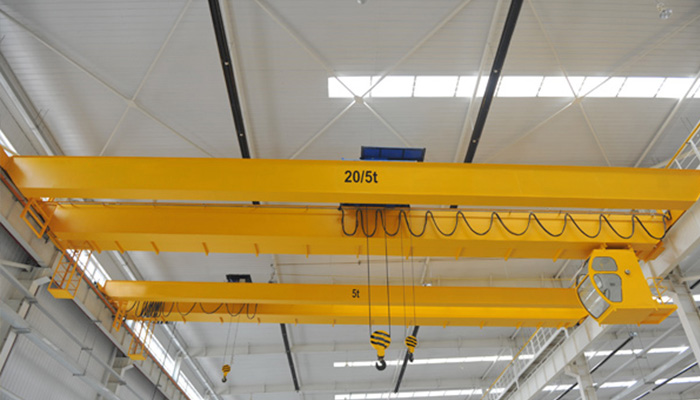
overhead cranes for workshops, tailored for your needs.
Avoid the Trap of Low Price
Going for the lowest price feels natural, but when it comes to overhead cranes, “cheap” can quickly turn into a long-term headache. A crane that fits only the budget and not the job often brings hidden expenses that far outweigh the initial savings.
Here’s what usually happens:
- The crane isn’t built for the workload. Maybe it’s a light-duty model placed in a heavy-duty environment. Motors heat up, brakes wear out, and the hoist becomes unreliable. These issues might seem small at first, but they cause repeated interruptions.
- Repairs start to pile up. When a crane is constantly pushed to its limits, components fail more often. You end up calling technicians, waiting for parts, and stopping production. Each stoppage means time lost, orders delayed, and workers standing by.
- Production stops become part of the routine. A low-priced crane that doesn’t match the job ends up costing more in downtime than what you saved upfront.
That’s why matching the crane type to your actual operation is so important. If your tasks are light and occasional, a standard single girder crane does the job well. If you’re lifting heavy loads all day, a double girder crane gives the reliability you need. And when smooth movement and precision matter, European-style cranes handle the work without strain.
Choosing the right crane is not about finding the lowest number on a quote—it’s about getting a machine that fits your real working conditions and won’t drain your budget later.
Key Factors to Consider Before Choosing a Crane
Choosing the right overhead crane starts with understanding how it will be used in your actual working environment. A crane that fits your operations well will run smoothly, last longer, and cost less to maintain. Here are the core factors every buyer should think through before making a decision.
Not all cranes work at the same pace. Some move loads a few times a day, while others run non-stop.
- Occasional use For simple, low-frequency lifting tasks, a basic single girder crane usually works fine and keeps costs low.
- Daily use When the crane is part of your regular workflow, you need better durability and more stable components.
- Continuous operation If your crane runs throughout the shift or around the clock, the duty cycle becomes critical. Higher duty cycles mean stronger motors, better cooling, and parts designed to handle constant stress.
A crane chosen with the right duty cycle in mind will last longer and avoid unnecessary repairs—saving both time and money.
Every workshop has different lifting needs, and choosing the right capacity is essential.
- Light-duty lifting Ideal for warehouses, small workshops, and occasional handling tasks.
- Heavy-duty lifting Needed in steel mills, machining plants, assembly workshops, or any place where large loads are moved frequently.
Always include a safety margin. A crane that constantly works near its maximum load wears out faster, uses more energy, and becomes unsafe over time. A small increase in capacity can prevent many long-term issues.
The size of your building plays a big role in deciding the crane structure.
- Small span A single girder overhead crane is usually enough. It's simpler, lighter, and more affordable.
- Large span A double girder overhead crane provides stronger support, better stability, and higher lifting height. It's the preferred choice for wide workshops or long production lines.
Matching the crane to the span ensures smoother operation and avoids excessive structural stress.
Different industries demand different levels of control.
- Standard cranes Suitable for general lifting where speed and movement don't need to be extremely smooth.
- European-style cranes These are designed for quiet, stable, and precise handling. They are ideal when your process requires exact placement, minimal vibration, or consistent accuracy.
Industries such as mold handling, assembly lines, precision machining, and electronics manufacturing usually benefit from the smoother control of European-style hoists and cranes.
Recommended Crane Types Based on Application
Different workshops have different lifting needs, so choosing a crane type that fits your actual workload is the key to long-term reliability and cost control. Below is a practical breakdown of the most common options and when each type works best.
Standard Single Girder Overhead Crane
- Low-frequency lifting
- Light to moderate loads
- Warehouse loading and unloading
- Occasional or short-duty work cycles
Why choose it: A standard single girder crane is the most budget-friendly option. Its structure is simple, installation is straightforward, and daily maintenance stays manageable. For workshops that don’t run heavy production lines, this type delivers solid performance without unnecessary cost.
- Heavy load handling
- Continuous or long-shift operation
- Workshops with large spans or long traveling distances
Why choose it: Double girder cranes are built for strength and durability. They offer better stability, support higher lifting heights, and handle demanding workloads more comfortably. If your operations involve frequent lifting, long travel paths, or large and heavy items, this structure keeps everything running smoothly.
European-Style Overhead Crane: single girder & double girder
- Jobs requiring precise lifting and placement
- Applications that demand smooth, accurate movement
- Workshops aiming for energy savings and lower operating noise
Why choose it: European-style cranes offer refined control, quiet operation, and long service life. Their compact design saves headroom, and the improved hoist technology delivers smoother lifting. They are well suited for industries where accuracy matters—such as molds, precision parts, assembly lines, and clean workshops—where every movement needs to be consistent and predictable.
How to Determine Which Crane Is Best for You
Choosing the right workshop crane—whether it’s a workshop overhead crane or a workshop bridge crane—comes down to giving accurate information about your lifting needs and your building layout. The more precise the details, the easier it is to recommend a crane that fits your workshop without overspending or risking future problems.
Here are the key parameters every buyer should prepare:
- Lifting capacity How much weight does your workshop crane need to lift in one operation? Remember to include the load and any lifting tools.
- Span The distance between your runway beams. Correct span sizing ensures your workshop overhead crane travels smoothly and avoids structural stress.
- Lifting height How high does the hook need to reach? This helps determine the right hoist and the right configuration for your workshop bridge crane.
- Working environment Indoor or outdoor? High temperature, dusty, humid, or corrosive conditions? Each environment affects the type of crane components and protections required.
- Duty cycle / operation frequency Will the crane be used occasionally, daily, or around the clock? Duty cycle directly influences the performance level and lifespan of your workshop overhead crane.
Providing accurate workshop drawings is just as important. Clear layouts allow the manufacturer to check available space, installation dimensions, travel paths, and any obstacles. This ensures the workshop crane you receive fits perfectly the first time—without costly redesigns or on-site changes.
With the right parameters and drawings, you’ll get a workshop crane solution that truly matches your operation, giving you stable performance, long service life, and smooth workflows every day.
Final Tips for Cost-Effective Crane Selection
When it comes to selecting a workshop crane, the smartest approach isn’t just chasing the lowest price. Think about the total cost over years of use. A crane that lasts longer, runs smoothly, and requires less repair is far more cost-effective than one that seems cheap at first but constantly needs attention.
Here are a few practical tips to keep in mind:
- Focus on long-term value Don’t just look at the initial purchase cost. Consider durability, energy efficiency, and how well the crane suits your actual workshop workload. A slightly higher upfront investment often pays off through fewer breakdowns and lower operating costs.
- Choose reliable manufacturers A reputable supplier can provide consistent quality, proper certification, and technical guidance. Strong after-sales support ensures that any issues are resolved quickly, minimizing downtime.
- Check spare parts availability and maintenance convenience Easy access to replacement parts and simple maintenance procedures save time and money. Before choosing a workshop bridge crane or workshop overhead crane, ask about spare parts lead time, recommended maintenance routines, and whether your team can handle routine servicing.
Frequently Asked Questions – Choosing a Cost-Effective Overhead Crane
1. How do I figure out which type of overhead crane is most cost-effective for my workshop?
It really comes down to matching the crane to your actual workload. If your lifting is light and infrequent, a single girder crane can save money while still getting the job done. For heavier, frequent loads or larger spans, a double girder crane may cost more upfront but avoids extra maintenance and downtime, making it cheaper in the long run.
2. Should I just pick the cheapest crane available?
Not really. Many workshop owners think saving on the initial purchase is the smartest move, but a low-cost crane that doesn’t fit your operations can lead to frequent repairs, downtime, and reduced efficiency—costs that add up fast. A slightly higher investment for the right crane usually pays off over time.
3. How do I know the right lifting capacity for my crane without overpaying?
The key is to include a reasonable safety margin above your maximum expected load. Cranes working constantly at their maximum capacity wear out faster, so choosing a crane with just enough extra capacity protects your investment while keeping costs manageable.
4. Does the size of my workshop affect which crane is cost-effective?
Yes. The span and available working area determine whether a single or double girder crane is practical. Choosing the wrong size can lead to inefficiency or extra modifications, which can make a cheap crane expensive in practice.
5. How much does usage frequency impact cost-effectiveness?
A crane designed for occasional use may fail quickly under continuous operation, leading to repairs and downtime. Matching your crane to the expected frequency of lifting is one of the simplest ways to avoid unnecessary expenses.
6. Are there cranes that are more efficient and reliable for precise or demanding tasks?
For workshops where smooth, precise movement is needed—like placing molds or delicate components—European-style cranes may have higher upfront costs but save money on downtime and maintenance over the long run.
7. How can I make sure I get the right crane for my workshop the first time?
Provide clear parameters—lifting capacity, span, lifting height, frequency of use, and working environment. Accurate workshop drawings help the supplier recommend a solution that fits perfectly, preventing costly adjustments or replacements later.
8. What should I check about a supplier to ensure I get a cost-effective crane?
Reliable manufacturers with good after-sales support and easy access to spare parts help keep your workshop overhead crane running smoothly. A well-supported crane lasts longer and saves money compared to cheaper options without service support.
Sent Us An Inquiry
Ready to find the right workshop crane for your operations? Share your key parameters—lifting capacity, span, lifting height, duty cycle, and workshop environment—and receive a direct source-factory quotation tailored to your needs.
Don’t wait—contact us today for a quick, practical recommendation on the best workshop overhead crane or workshop bridge crane for your facility. Get a solution that fits your workflow, keeps your costs under control, and ensures smooth, reliable operation from day one.