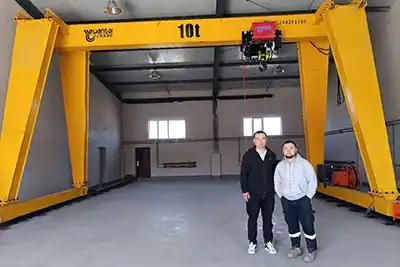
How to Customize Your Gantry Crane for Unique Workshop Needs
How to Customize Your Gantry Crane for Unique Workshop Needs
Introduction
Customizing a gantry crane isn’t just about adding a few optional features — it’s about making sure the crane truly fits your workshop’s daily operations. Every workshop is different. Some handle long steel beams, others move machinery parts, and many have limited space or uneven floors. A well-customized gantry crane adapts to all these conditions, helping you work safely and efficiently.
Why Customization Matters
A standard gantry crane can lift loads, yes — but a customized one can lift smarter. When you match the crane’s structure, controls, and attachments to your actual working environment, you’ll notice the difference in both performance and safety.
- Improved safety: Protective devices prevent overloading, collisions, and sudden stops.
- Smooth operation: Lifting speeds and travel movements match your workflow, not the other way around.
- Reduced downtime: A crane designed for your specific environment lasts longer and requires fewer repairs.
- Operator comfort: Controls, lifting height, and attachments are designed to make handling easier and safer.
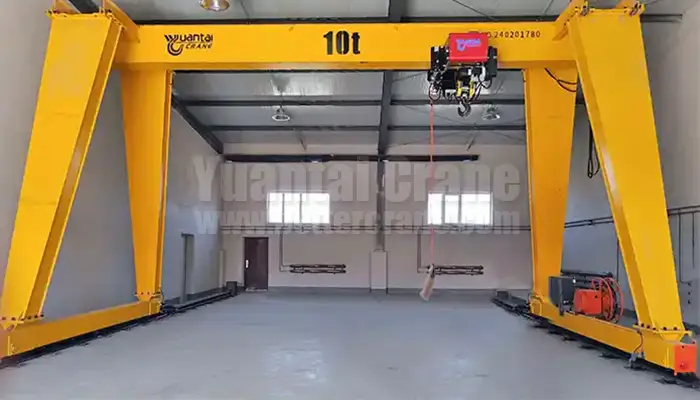
What You Can Customize
There are four main areas where customization brings real benefits to your workshop setup:
- Modular Design — Adjusting the structure, span, and height to fit your available space and material flow.
- Protective Devices — Adding safety systems such as overload limiters, emergency stops, and anti-collision sensors.
- Lifting Attachments — Choosing the right tools (like hooks, magnets, or clamps) to handle your specific materials.
- Electrical Adjustments — Setting the right power supply, control type, and automation features for your local standards.
Modular Design — Building a Crane That Fits Your Space
No two workshops are the same. Some have wide open floors, others have low ceilings or narrow aisles. That's why the modular design of a gantry crane is so valuable — it gives you the flexibility to adjust the structure according to your space, workflow, and future plans. Rather than forcing your operations to adapt to the crane, you can make the crane adapt to your operations.
The first thing to consider is how the gantry crane will physically fit into your workshop. Customizing the span, height, and leg length ensures that it can move materials smoothly without hitting obstacles or wasting space.
- Span: Determines how wide the crane can travel. A properly sized span helps you reach all work areas without overextending the frame.
- Lifting height: Must be matched to your building's ceiling height and the size of your largest load.
- Leg height: Adjustable legs help the crane move across uneven floors or clear equipment underneath.
For workshops that need flexibility, portable and semi-gantry cranes are smart options.
- Portable gantry cranes come with caster wheels for easy movement across different work zones.
- Semi-gantry cranes run on one floor rail and one elevated track, making them perfect for workshops that need to save space or handle materials in a single lane.
The material of your crane structure affects how you use it day to day.
- Steel gantry frames are strong, durable, and ideal for heavy-duty lifting tasks in factories or steel fabrication shops.
- Aluminum gantry frames, on the other hand, are lightweight and easier to move — great for maintenance jobs, temporary setups, or outdoor work.
Mobility also depends on how the crane is installed:
- Caster wheels make it possible to roll the crane between stations without track installation.
- Rail-mounted systems are better for heavier loads and long travel distances.
- Fixed gantry cranes are ideal for permanent production lines where stability and precision matter most.
A well-thought-out modular design doesn't just meet today's needs — it prepares for tomorrow's changes. Workshops grow, layouts evolve, and production demands increase. A modular gantry crane can keep up with these shifts.
- The structure can be extended or reinforced to increase lifting capacity.
- You can add motorized travel systems later for smoother operation or remote control.
- Components like hoists, trolleys, and end beams can be swapped or upgraded without replacing the entire crane.
For workshops planning future expansion or layout changes, this flexibility means less downtime, lower upgrade costs, and a crane that continues to serve well for many years.
Protective Devices — Ensuring Safe Operation
Safety should always come first when designing or using a gantry crane. Even a small mistake in lifting operations can lead to serious accidents or costly damage. That's why every customized gantry crane should include protective devices that match the working environment and daily operation style. These systems act as built-in safeguards, helping prevent overloads, collisions, and unsafe movement.
Every crane has its limits, and pushing beyond them can be dangerous. Installing proper overload and limit protection keeps both your equipment and operators safe.
- Load limiters: Automatically stop lifting when the load exceeds the rated capacity, protecting the hoist motor and wire rope.
- Upper and lower limit switches: Prevent the hook from being raised too high or lowered too far, reducing the risk of cable twisting or drum damage.
- Emergency cut-off systems: Instantly disconnect power in case of malfunction or operator error.
These devices are not only about safety—they also reduce downtime and maintenance costs by keeping the crane within safe working conditions at all times.
When several cranes share the same area, or when space is tight, motion protection becomes critical. These devices help ensure smooth travel and prevent unexpected contact with nearby objects or structures.
- Anti-collision sensors: Detect approaching cranes or obstacles and automatically slow down or stop movement.
- Travel limit switches: Define the end points of the crane's movement to avoid over-traveling on rails or tracks.
- Safety bumpers and buffers: Installed at runway ends to absorb impact if the crane reaches its physical limit.
In busy workshops, these features make daily operation safer and give operators more confidence when maneuvering heavy loads.
A safe crane doesn't just protect the machine—it protects the people and the surroundings as well. Depending on where the gantry crane operates, specific protective devices can make a real difference.
- Wind protection systems: For outdoor gantry cranes, devices such as rail clamps or storm locks keep the crane stable during strong winds.
- Emergency stop buttons: Easily accessible for operators to cut power immediately in an unsafe situation.
- Alarms and warning lights: Provide visual and audible alerts before crane movement, ensuring everyone nearby stays aware.
These simple but essential safety additions help workshops meet safety regulations while creating a safer and more reliable working environment for everyone involved.
Lifting Attachments — Handling Every Type of Load
Not all materials are created equal — and neither are the tools needed to lift them. The right lifting attachment can make your gantry crane more versatile, safer, and easier to operate. Whether you’re lifting steel plates, machinery parts, or concrete blocks, choosing suitable attachments ensures that every lift is stable, efficient, and well-controlled.
Attachments are where a gantry crane truly becomes customized for the job. They define how the load connects to the crane and how safely it moves from one point to another.
The hook is the most common and widely used lifting attachment for general materials. It's reliable, simple, and works for a variety of lifting tasks. However, customization allows you to fine-tune even this basic setup.
- Standard lifting hooks are ideal for everyday operations such as lifting parts, machinery, or boxed goods.
- Custom sling systems—made from wire rope, chain, or synthetic webbing—are designed to handle irregular-shaped or delicate loads that can't be lifted directly by a hook.
Using the right combination of hooks and slings prevents damage to both the crane and the material, while improving safety during load handling.
For workshops that deal with specific materials, specialized lifting tools are a must. They allow the gantry crane to handle unique shapes, weights, and surfaces with greater precision.
- Magnetic lifters: Perfect for steel plates, billets, or rebar bundles. They provide a secure grip without damaging the material surface and speed up the lifting process.
- Grabs and clamps: Used for coils, concrete blocks, drums, or pipes. These attachments grip the load from the sides and are designed for materials that can't be hooked from the top.
- Spreader beams: Essential for long or bulky items like steel beams, large panels, or assembled parts. They distribute the load evenly across multiple lifting points to keep the material balanced.
When selected properly, these attachments reduce manual handling, prevent accidents, and make the crane more adaptable to different production tasks.
In workshops where materials change frequently, it's not practical to use a single fixed lifting tool. That's where quick-change attachment systems come in handy.
- They allow operators to swap between hooks, magnets, clamps, or spreaders within minutes, keeping downtime to a minimum.
- One gantry crane can be used for multiple material types, eliminating the need for separate lifting equipment.
- With proper coupling systems, these attachments lock securely in place, ensuring both flexibility and safety.
A quick-change system turns your gantry crane into a multi-purpose lifting station, ideal for workshops that handle mixed materials or shift between different production tasks throughout the day.
Electrical Adjustments — Power and Control Optimization
Electrical customization is one of the most overlooked parts of gantry crane design, yet it plays a huge role in daily performance, energy use, and operator safety. Getting the electrical setup right ensures that your crane runs smoothly, matches local power conditions, and gives you precise control over every lift.
Whether your workshop uses a simple manual system or a fully motorized gantry crane, tailoring the electrical configuration to your site and work habits can make a noticeable difference in reliability and ease of use.
Every country — and often every facility — has its own power standards. That's why checking the voltage and frequency before manufacturing your crane is essential.
Voltage and frequency adjustment: Most industrial gantry cranes can be customized for 380V/50Hz, 400V/50Hz, or 440V/60Hz, depending on your regional grid. This ensures the motors and controls operate efficiently without overheating or malfunction.
Power supply method: Depending on mobility and site layout, you can choose between:
- Cable power feed: A simple and flexible solution for light-duty cranes or short travel distances.
- Conductor bar system: Provides stable, continuous power for long travel paths or heavy-duty cranes.
- Battery power or cable reel systems: Common for mobile gantry cranes that need freedom from fixed tracks or external wiring.
Selecting the right power setup keeps your crane running safely and reduces wear on electrical components.
The way you control your crane can be just as important as its lifting capacity. Different operations require different levels of mobility and safety control.
- Pendant control: The most common and cost-effective option. The operator walks alongside the crane while controlling it through a wired handset.
- Wireless remote control: Ideal for larger workshops or when the operator needs to stay clear of the load. It improves safety distance and gives more freedom of movement.
- Cabin control: Suitable for large-capacity gantry cranes where the operator needs a clear overview of lifting operations.
Adding a Variable Frequency Drive (VFD) to your crane allows for smooth speed control, preventing sudden jerks during lifting or lowering. This not only extends the life of the hoist and trolley but also improves load positioning accuracy.
Modern gantry cranes can go beyond basic control and power systems. If your workshop demands higher efficiency or wants to minimize downtime, advanced electrical features are worth considering.
- Inverter control systems: Help reduce energy consumption and provide smoother acceleration and braking.
- Smart monitoring systems: Track operating hours, load cycles, and maintenance alerts to help plan servicing before failures occur.
- Remote diagnostics: Allow technical teams or suppliers to check the crane's performance data, identify faults early, and suggest quick solutions.
Steps to Customize Your Gantry Crane
Designing a gantry crane that truly fits your workshop isn't something you do overnight. It takes a bit of planning and discussion — but the results are worth it. A well-customized crane improves workflow, minimizes risks, and saves money over time. Below are the practical steps most buyers follow when working with a manufacturer to create a crane that meets their real-world needs.
Start by taking a close look at your workshop.
- Measure the available space: ceiling height, working width, and travel length.
- Observe how materials move: Is it a straight line, circular flow, or multiple work zones?
- Consider how often lifting is needed: Occasional maintenance work requires a lighter setup than continuous production handling.
This first step gives you a clear picture of what type of gantry crane structure will work best.
Once you understand your workspace, calculate how heavy your typical loads are — and always add a safety margin.
- Capacity: Include the heaviest single load plus 20–30% extra.
- Travel range: Define how far the crane needs to move horizontally and vertically.
- Speed requirements: For busy production lines, variable lifting speeds can make a big difference in efficiency.
Knowing these parameters helps your supplier design the crane components accurately from the start.
Your choice of structure depends on your mobility needs and floor layout.
- Rail travelling gantry cranes: Best for permanent production stations.
- Semi-gantry cranes: Ideal when one side needs to move along a floor rail and the other side on an elevated track — great for saving space.
- Mobile gantry cranes: Equipped with wheels for flexibility between work zones.
- Frame material: Steel for heavy-duty lifting; aluminum for easy movement and outdoor or temporary use.
Now match the crane to the materials you handle.
- Attachments: Choose between hooks, slings, magnetic lifters, clamps, or spreader beams based on load type.
- Protective devices: Include overload limiters, travel limit switches, and anti-collision sensors.
- Safety accessories: Add warning lights, alarms, and emergency stop buttons for operator protection.
Selecting these components early ensures your crane meets both safety and performance needs.
Discuss power and control requirements before finalizing the design.
- Voltage and frequency: Match local electrical standards (e.g., 380V/50Hz or 440V/60Hz).
- Control method: Pendant, remote, or cabin control depending on your workshop size and operator preference.
- Optional features: Consider VFD or inverter systems for smoother control and energy savings.
Also, make sure your crane complies with CE, ISO, or other relevant international safety standards.
Before production begins, carefully review the technical drawings and specifications.
- Confirm all dimensions, lifting height, and travel distances.
- Double-check safety features and electrical configurations.
- Request any final adjustments before approval.
Once confirmed, the manufacturer can proceed with fabrication, testing, and shipment. This step ensures that when your customized gantry crane arrives, it's ready to fit your workshop perfectly — no rework, no surprises.
Conclusion
A gantry crane is more than just lifting equipment — it’s a working partner in your production process. When it’s properly customized to match your workshop layout, material flow, and operating environment, it can dramatically improve both efficiency and safety. From modular design and protective devices to lifting attachments and electrical configurations, every detail plays a role in how smoothly your daily operations run.
Customization isn’t about adding unnecessary features; it’s about building a crane that fits your exact needs. A well-designed system minimizes downtime, reduces manual handling risks, and adapts easily to future changes in your workshop.
If you’re planning to invest in a new gantry crane or upgrade an existing one, take the time to discuss your requirements with an experienced manufacturer. They can help you evaluate the right capacity, structure, and controls based on your actual working conditions.
At Yuantai Crane, we specialize in designing and manufacturing customized gantry cranes that deliver reliable performance across industries.
Contact Yuantai Crane today to design a gantry crane perfectly suited to your unique operations — built for safety, efficiency, and lasting value.