Why Cheap Ladle Cranes Cost More Over Time
Introduction
Ladle Cranes: The Backbone of Steel Mill Operations
Ladle cranes are at the heart of every steel mill. They lift and move molten steel ladles, which can weigh tens of tons and reach extreme temperatures. These cranes do more than just move heavy loads—they ensure smooth production, protect workers, and prevent costly material loss. A reliable ladle crane is essential for both safety and efficiency.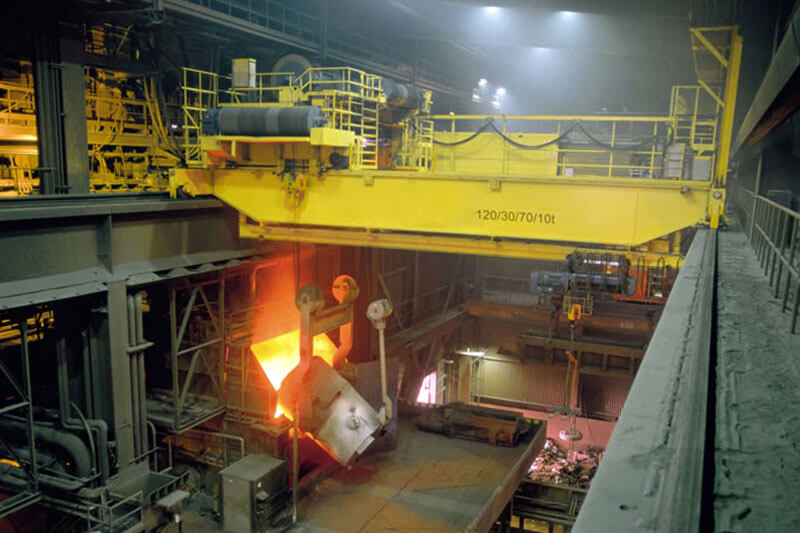
The Misconception: Cheap Upfront Cost Means Savings
It’s easy to be drawn to a low-priced ladle crane. Many buyers think, “If it’s cheaper, I’m saving money.” But in reality, a low purchase price can hide a host of long-term problems:
- Frequent breakdowns and repairs
- Higher energy consumption
- Unplanned production downtime
- Shorter service life
- Increased safety risks
In other words, the initial savings often disappear once you factor in these hidden costs.
Introducing Total Cost of Ownership (TCO)
Total Cost of Ownership, or TCO, is a practical way to measure what a ladle crane really costs over its entire lifecycle. TCO goes beyond the sticker price and includes:
- Purchase and installation costs
- Maintenance and spare parts
- Energy consumption
- Downtime and production loss
- Safety and compliance considerations
By looking at the full picture, TCO gives a clearer understanding of long-term value, helping you avoid short-term decisions that become expensive mistakes.
Why This Article Matters
The goal here is simple: to help steel mill managers and crane buyers understand why cheap ladle cranes can end up costing more in the long run. By focusing on TCO, you can make smarter investments, reduce unexpected expenses, and keep your mill running safely and efficiently.
Takeaways:
- Ladle cranes are essential for safe and efficient molten steel handling.
- Low upfront cost does not guarantee overall savings.
- TCO accounts for all costs, not just the purchase price.
- Understanding TCO helps you make informed, practical decisions.
Total Cost of Ownership (TCO)
Total Cost of Ownership, or TCO, is the full cost of a ladle crane over its entire lifespan. It's not just what you pay upfront—it's everything that comes after. You can think of it as:
TCO = Purchase Price + Installation + Maintenance + Energy + Downtime + End-of-Life Disposal
Here's what each part covers:
- Purchase Price: The price of the crane itself.
- Installation: Preparing the crane runway, aligning tracks, and commissioning the crane.
- Maintenance: Routine inspections, lubrication, spare parts, and labor costs.
- Energy: Electricity for motors, hoists, and drives during operations.
- Downtime: Losses caused by unexpected breakdowns or repairs.
- End-of-Life Disposal: Safe removal, recycling, or disposal of worn-out components.
It's easy to focus only on a low upfront cost. But a cheaper crane can end up costing much more over time because of:
- Frequent breakdowns requiring emergency repairs
- Higher energy bills due to outdated or inefficient components
- Unplanned production stops that slow down your mill
- Safety risks from substandard materials or components
Looking at TCO allows you to see the full financial picture and avoid surprises later.
TCO isn't just about money—it also impacts performance and safety.
- Operational Efficiency: A well-maintained crane with modern components keeps production smooth.
- Safety: Higher-quality parts reduce the chance of accidents, protecting both staff and your investment.
- Return on Investment (ROI): Spending a bit more upfront on a reliable crane often saves money in the long run by minimizing downtime, maintenance, and energy costs.
Bottom line: Considering TCO helps steel mill managers make smarter choices. You get a crane that's reliable, energy-efficient, safe, and cost-effective over its entire life.
- TCO measures the true cost of a ladle crane over its lifetime.
- A low purchase price does not guarantee long-term savings.
- Focusing on TCO improves efficiency, safety, and ROI.
- Smart buyers plan for all costs upfront—not just the crane price.
High Initial Cost vs. Long-Term Savings
When choosing a ladle crane, it’s tempting to go for the cheapest option. At first glance, a low-cost crane seems like a smart way to save money. But the reality is more complicated.
- Low-Cost Cranes: Lower purchase price, basic features, lower-quality components.
- Premium Cranes: Higher upfront cost, advanced features, longer lifespan, better safety systems.
At the surface, the low-cost crane looks like the winner—but only if you stop looking at the purchase price alone.
Even small savings upfront can vanish quickly once the crane starts operating. Consider these examples:
- Frequent breakdowns leading to emergency repairs
- Higher energy bills due to inefficient motors or hoists
- Production downtime while waiting for replacement parts
- More frequent inspections and maintenance labor
Case Example:
A steel mill bought a budget ladle crane for $80,000 instead of a premium model costing $120,000. In the first two years:
- Maintenance and repair costs totaled $40,000
- Production downtime cost $35,000
- Energy inefficiencies added $10,000
Total cost after two years: $165,000 — significantly higher than the premium crane’s upfront cost, which had minimal downtime and maintenance.
Cheaper cranes often cut corners in ways that affect long-term performance:
- Performance: Slower hoisting speeds, less precise control, or limited lifting cycles.
- Durability: Components wear out faster, requiring replacements sooner.
- Safety: Substandard brakes, wiring, or load monitoring increase accident risk.
By contrast, premium cranes provide:
- Reliable, predictable performance under heavy loads
- Longer-lasting components and reduced maintenance frequency
- Advanced safety features that protect operators and the plant
Investing a bit more upfront often pays for itself in lower maintenance, fewer interruptions, and safer operations.
- Low initial cost can be misleading; hidden costs accumulate fast.
- Premium cranes may cost more upfront but save money and headaches over time.
- Performance, durability, and safety should be considered alongside purchase price.
- Calculating TCO helps compare real long-term value, not just sticker price.
Key Components Driving Long-Term Costs
Maintenance is one of the biggest contributors to long-term costs—especially for lower-quality ladle cranes. Cheap cranes tend to break down more often, which means frequent repairs and unexpected downtime.
- Frequent Breakdowns: Budget cranes are more likely to fail under heavy loads or continuous operation.
- Replacement Parts and Labor: Spare parts may wear out quickly, and labor costs for repeated repairs add up fast.
- Impact on Production Continuity: Each unplanned repair interrupts workflow, reducing overall efficiency and increasing operational stress.
Energy usage is often overlooked when comparing cranes, but it can have a huge impact on TCO.
- Inefficient Motors or Hoists: Older or lower-quality motors consume more electricity for the same work.
- Outdated Technology: Lack of energy-efficient drives or regenerative braking systems can increase monthly power bills.
Even small differences in efficiency add up over months and years, especially in high-duty applications like molten steel handling.
When a crane fails, it's not just repair costs that matter—the real cost often comes from lost production.
- Halted Operations: Every minute the ladle crane is down can delay the entire melt shop workflow.
- Opportunity Cost: Production losses translate directly into missed revenue, which can surpass the original cost of the crane itself.
Planning for reliability upfront is far cheaper than paying repeatedly for downtime.
Safety should never be compromised for a lower price. Cheaper cranes often cut corners in critical areas, which increases risks:
- Higher Risk of Accidents: Substandard brakes, hoists, or control systems may fail under heavy loads.
- Potential Costs: Accidents can lead to injuries, regulatory fines, insurance claims, and even shutdowns for investigation.
Investing in a crane with certified safety features and reliable components reduces these risks and associated costs.
The lifespan of a crane depends largely on the materials and design quality.
- Shorter Lifespan: Cheap materials or poor welding reduce structural longevity.
- Hidden Replacement Costs: Early component failure means additional expenses for parts and labor, adding to the overall TCO.
A higher-quality crane may cost more initially but lasts longer, requires fewer repairs, and provides predictable performance over its lifecycle.
- Maintenance, repairs, and downtime are the biggest contributors to hidden costs.
- Energy consumption and outdated technology can quietly increase expenses over time.
- Safety failures and poor component quality can lead to high financial and operational risks.
- Investing in quality upfront minimizes long-term costs and ensures smoother operations.
Hidden Costs Often Overlooked by Buyers
The purchase price of a ladle crane is just the beginning. Installation can be surprisingly costly if not planned properly.
- Crane Runway and Foundations: Preparing a strong, level runway is critical for safe and smooth crane operation. Poor foundation design can lead to early wear or even structural failure.
- Alignment Issues: Misaligned tracks or end stops can cause uneven wear on wheels, rails, and hoists, increasing maintenance costs.
- Commissioning: Setting up the crane, calibrating sensors, and testing all systems require time and skilled labor.
Skipping or underestimating installation expenses can eat away any initial savings from a low-cost crane.
Every steel mill has unique power supplies, control systems, and workflows. A crane that isn't compatible can cause hidden headaches.
- Power Supply: Voltage, phase, and frequency mismatches can damage motors or reduce efficiency.
- Control Systems: Outdated or incompatible controls may require expensive retrofits.
- Workflow Integration: The crane should match the movement patterns and lifting requirements of the melt shop to avoid bottlenecks.
Checking compatibility upfront saves costs and prevents operational delays later.
A low-cost crane may meet today's needs but struggle if production requirements change.
- Weight or Span Increases: Lifting heavier ladles or extending the crane's span can require structural upgrades.
- New Features: Adding advanced hoists, automated controls, or safety systems often costs more than starting with a flexible crane design.
Planning for future needs ensures long-term value and avoids repeated capital expenditures.
Even the best crane can become a liability if operators and maintenance staff aren't trained properly.
- Operator Training: Correct handling of ladle cranes is critical for safety and efficiency.
- Maintenance Training: Understanding inspection schedules, lubrication points, and component replacements prevents costly downtime.
- Certification: Some steel mills and regulators require certified training programs, adding to upfront costs.
Investing in proper training reduces accidents, improves efficiency, and lowers maintenance expenses over the crane's lifecycle.
- Hidden costs like installation, compatibility, upgrades, and training can add significantly to TCO.
- Planning and preparation upfront prevents unexpected expenses.
- A higher-quality crane with foresight for future needs often delivers better long-term value.
Case Studies
When Low-Cost Cranes Fail
Sometimes, theory doesn’t match reality. Consider this real-world scenario:
A steel mill purchased a budget ladle crane to save on initial costs. At first, it seemed like a smart decision. But within the first year:
- The crane broke down multiple times due to worn-out components.
- Production was halted for several hours on multiple occasions.
- Emergency repairs and expedited parts shipments quickly added tens of thousands of dollars to operating costs.
The result? The “cheap” crane ended up costing more than a premium model would have over the same period.
Investing in Quality Pays Off
In contrast, another mill invested in a high-quality ladle crane with a slightly higher upfront cost. Outcomes over two years included:
- Minimal maintenance required due to durable components.
- Consistent production with virtually no unplanned downtime.
- Lower energy consumption thanks to modern, efficient motors.
- Improved safety and fewer operator incidents.
Even though the premium crane cost more initially, the Total Cost of Ownership (TCO) was significantly lower compared to the cheaper crane.
Long-Term Cost Comparison
A simple comparison over a two-year period illustrates the difference:
| Item | Low-Cost Crane | Premium Crane |
|---|---|---|
| Purchase Price | $80,000 | $120,000 |
| Maintenance & Repairs | $40,000 | $10,000 |
| Downtime Loss | $35,000 | $5,000 |
| Energy Costs | $10,000 | $6,000 |
| Total Cost | $165,000 | $141,000 |
This example shows clearly that a higher upfront investment often results in lower TCO, improved reliability, and safer operations.
Key Takeaways:
- Cheap cranes may look like savings initially but can lead to repeated failures and higher long-term costs.
- Premium cranes typically have lower maintenance, downtime, and energy costs.
- Evaluating TCO with real-world examples helps buyers make smarter, more cost-effective decisions.
How to Calculate TCO for a Ladle Crane
Start with the obvious numbers:
- Purchase Price: The crane itself, including hoists, motors, and controls.
- Installation: Costs for preparing the crane runway, aligning rails, and commissioning the crane.
- Initial Testing: Time and labor to ensure the crane is fully operational.
These form the foundation of your TCO calculation.
Next, account for ongoing upkeep:
- Routine Inspections and Lubrication: Preventive maintenance keeps downtime low.
- Replacement Parts: Hoists, brakes, wheels, or electrical components that wear out over time.
- Labor Costs: Technicians and operators performing maintenance.
Estimate these costs over the expected service life of the crane to get a realistic picture.
Energy consumption can significantly impact TCO, especially in high-duty ladle cranes:
- Duty Cycle Analysis: How often and how long the crane operates each day.
- Motor and Hoist Efficiency: Older or low-quality equipment consumes more electricity.
- Operational Patterns: Frequent starts, stops, or heavy lifts increase power usage.
Include energy costs over the lifecycle of the crane to understand the real operating expense.
Unexpected failures or repairs can halt production:
- Lost Production: Estimate the cost of each hour of downtime.
- Emergency Repairs: Parts and labor can be more expensive during unplanned outages.
- Impact on Workflow: Delays can affect other processes in the melt shop.
Downtime often accounts for a larger portion of TCO than most buyers expect.
Safety is both a moral and financial consideration:
- Accident Risks: Malfunctioning components can lead to injuries.
- Insurance Premiums: Poor safety records can increase liability costs.
- Regulatory Compliance: Fines or shutdowns due to unsafe equipment are avoidable expenses.
Factoring these costs ensures that TCO reflects the full picture of ownership.
Rather than making a decision based solely on purchase price, consider TCO first. A crane with a higher upfront cost may end up saving money, reducing downtime, and improving safety over its lifecycle.
By using TCO as your guide, you make informed, practical decisions that protect your mill, your workers, and your budget.
- TCO includes purchase, installation, maintenance, energy, downtime, and safety costs.
- Calculating TCO step by step gives a realistic view of long-term expenses.
- Prioritizing TCO over sticker price leads to smarter, more cost-effective crane investments.
Buyer Tips to Minimize TCO
Going for a cheap crane may cost less upfront, but certified, high-quality cranes save money in the long run.
- Choose cranes with ISO, CE, or third-party certifications.
- High-quality materials and components reduce frequent repairs.
- Reliable cranes maintain smooth production and extend service life.
A crane is only as good as the support behind it.
- Select suppliers with a proven history in heavy-duty ladle crane installations.
- Ask for references or case studies of similar projects.
- Ensure prompt after-sales service and easy access to spare parts.
Energy costs can quietly add up. Modern hoists and drives make a noticeable difference over time.
- Look for motors and hoists optimized for high duty cycles.
- Features like variable frequency drives (VFDs) or regenerative braking reduce electricity use.
- Even modest energy savings can significantly lower TCO over the crane's life.
Preventive maintenance prevents bigger problems.
- Create a regular inspection schedule for brakes, hoists, wheels, and electrical systems.
- Maintain detailed logs of all maintenance and repairs.
- Early detection of wear reduces downtime, avoids costly emergencies, and improves safety.
Cranes should be ready to grow with your operations.
- Consider modular designs for easy upgrades or component replacement.
- Look for scalable options that handle heavier loads or longer spans if needed.
- Future-proofing your crane reduces the need for expensive replacements later.
- Invest in certified, durable cranes to reduce maintenance and downtime.
- Verify supplier reliability and after-sales service.
- Use energy-efficient motors and hoists to lower operating costs.
- Proactively maintain your crane and plan for future growth.
These steps make your crane more reliable, safer, and cost-effective over its entire lifecycle.
Conclusion
Cheap Upfront Cost Can Be Deceptively Expensive
It’s easy to be tempted by a low purchase price when buying a ladle crane. But as we’ve seen throughout this guide, the initial savings can quickly disappear once maintenance, downtime, energy, and safety costs are factored in. A cheap crane may end up costing far more over its lifecycle than a higher-quality, well-supported alternative.
TCO: A Critical Tool for Smart Investments
Understanding Total Cost of Ownership (TCO) is essential for making informed decisions. TCO looks beyond the sticker price and captures the full financial impact of your crane, including:
- Installation and commissioning
- Maintenance and replacement parts
- Energy usage
- Downtime and production loss
- Safety and liability considerations
By focusing on TCO, steel mill managers and crane buyers can make smarter investments that improve efficiency, safety, and overall ROI.
Final Recommendation
When choosing a ladle crane:
- Prioritize long-term reliability over the lowest purchase price.
- Invest in cranes with certified components and proven performance.
- Consider energy efficiency, maintenance requirements, and supplier support.
- Plan for future growth and operational flexibility.
Making decisions with these factors in mind ensures a safer, more efficient, and cost-effective operation over the lifetime of your crane.
Key Takeaways:
- Low upfront cost can be misleading; always consider long-term expenses.
- TCO is the most reliable measure of a crane’s true value.
- Smart buyers focus on reliability, safety, efficiency, and future flexibility.
Optional Add-ons
Supplier Questions Checklist
When assessing Total Cost of Ownership (TCO), asking the right questions can save thousands over the crane’s lifetime. Here’s a practical checklist for buyers:
- What certifications do your cranes have (ISO, CE, third-party)?
- Can you provide case studies or references from similar steel mill projects?
- What is the typical maintenance schedule and cost for this crane model?
- How energy-efficient are the hoists and motors? Any VFD or regenerative features?
- What is the expected service life of major components?
- How quickly can spare parts be delivered?
- Do you offer training for operators and maintenance personnel?
- Can the crane be upgraded or scaled for higher capacity in the future?
Asking these questions ensures you understand the long-term implications of your purchase beyond just the sticker price.
Quick Tips Table: Key TCO Factors to Verify Before Ordering
A simple reference table can help buyers compare cranes and avoid hidden costs:
| TCO Factor | What to Verify | Practical Tip |
|---|---|---|
| Purchase & Installation | Total upfront cost including runway and commissioning | Include foundation prep and alignment costs in the budget |
| Maintenance & Repairs | Frequency, parts availability, labor cost | Ask for spare parts lead times and preventive maintenance plan |
| Energy Consumption | Motor efficiency, duty cycle, drive type | Look for VFD or energy-saving motors |
| Downtime & Production Loss | Historical failure rates, repair times | Factor in potential lost production per hour of downtime |
| Safety & Compliance | Certifications, safety features, regulatory compliance | Ensure brakes, limit switches, and control systems meet standards |
| Component Lifecycle | Lifespan of hoists, wheels, structural parts | Prefer longer-life components to reduce early replacements |
| Future Flexibility | Modular or scalable design options | Verify if crane can be upgraded for heavier loads or longer spans |
This table serves as a quick reference during supplier evaluation and ensures no critical TCO factor is overlooked.
Key Takeaways:
- Use a checklist to ask suppliers the right TCO questions.
- Verify all critical TCO factors before ordering.
- Planning ahead reduces hidden costs, improves reliability, and ensures safer operations.