Step-by-Step Guide: Import Overhead Cranes from China to UAE
Step-by-Step Guide to Importing Overhead Cranes from China to UAE
Importing overhead cranes from China to the UAE can be tricky. Many buyers get caught off guard by shipping delays, customs requirements, or installation challenges. Taking the time to plan and understand your crane needs upfront saves time, cuts extra costs, and ensures your crane meets UAE safety and operational standards.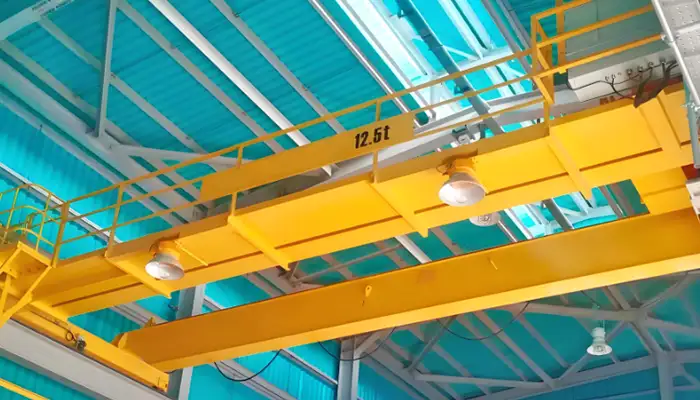
Explosion proof overhead crane for sale from Chian Yuantai Crane to UAE
Know Exactly What You Need Before You Buy
Before reaching out to suppliers, take a close look at your operational needs. Getting the details wrong can cost more than the crane itself.
The crane type and lifting capacity are the first things to consider.
Single Girder vs. Double Girder:
- Single girder: lighter, easier to install, ideal for small to medium loads.
- Double girder: stronger, handles heavier loads, more suitable for long-term, heavy-duty operations.
Lifting Parameters:
- Maximum lifting weight
- Span (distance between rails)
- Hook lifting height
Tip: Always add a 20–30% safety margin to the maximum load.
Explosion-proof vs. Standard:
- Needed if your facility deals with flammable or hazardous materials.
- Make sure the crane has proper certifications for UAE safety zones.
The type of facility and environment affects crane design.
- Facility Type: Steel mills, workshops, warehouses, or port operations each have different requirements for duty cycles and lifting patterns.
- Environmental Factors: Indoor or outdoor operation, exposure to dust, heat, moisture, or corrosive substances. Protective coatings, covers, or specialized materials may be required.
Technical compatibility prevents costly mistakes.
- Power Supply: Match the crane to your facility's voltage, frequency, and phase. Wrong specifications can damage the crane or prevent operation.
Hoist Type:
- Wire rope: suitable for heavy-duty, frequent lifting.
- Chain: good for lighter loads and shorter lifts.
Optional Features: Two hooks, remote control, or automation can improve efficiency but may increase cost. Consider whether they are needed for your operation.
Selecting a Reliable Chinese Supplier
Choosing the right supplier is just as important as choosing the right crane. A reliable supplier ensures that your crane meets quality standards, is shipped on time, and comes with proper support in the UAE.
Certifications are proof that the supplier meets international safety and quality standards.
CE, ISO, SGS, or third-party inspection:
- CE certification ensures compliance with European safety and quality regulations.
- ISO certificates demonstrate standardized quality management systems.
- Third-party inspection (SGS or similar) verifies product quality before shipment.
Always request copies of these documents. Don't rely on verbal claims—documentation is critical for customs clearance and safety compliance in the UAE.
Understanding what the factory can produce helps avoid surprises later.
- Production capacity: Ensure the supplier can meet your order size and delivery schedule.
- Customization options: Check if they can adjust crane span, lifting height, or add features like remote control or two hooks.
- Experience exporting to UAE or GCC countries: Suppliers familiar with regional regulations and shipping routes are more likely to deliver smoothly and handle customs efficiently.
Good communication reduces errors and saves time.
- Pre-sales consultation: A professional supplier asks about your facility, crane requirements, and site conditions before recommending a solution.
- Technical clarification: Ensure the supplier explains technical details in clear terms, including power supply compatibility, hoist options, and optional features.
Quotation transparency and delivery timelines:
- Look for itemized quotations, including product cost, shipping, insurance, and any extra fees.
- Confirm realistic delivery times and installation support options.
Requesting a Detailed Quotation
A detailed quotation is more than just a price tag. It helps you compare suppliers, understand all costs involved, and avoid surprises during shipping, customs clearance, or installation. Providing the right information upfront ensures the supplier can give an accurate and realistic quotation.
Suppliers need specific details about your requirements to prepare an accurate quote:
- Crane type, capacity, span, and lifting height:
Clearly specify whether you need a single or double girder crane, the maximum load, span between rails, and hook lifting height. - Power supply and environmental conditions:
Indicate your facility's voltage, frequency, and phase. Also mention whether the crane will operate indoors or outdoors, and if it will be exposed to heat, dust, moisture, or corrosive materials. - Installation requirements or special packaging needs:
Include whether your site requires crane disassembly for transport, or if specific packaging is needed to protect the crane during shipping.
Providing this information upfront reduces the risk of miscommunication, inaccurate pricing, or delays in delivery.
A complete quotation should clearly outline all costs and services:
- Product cost, shipping, insurance, taxes, and customs fees:
Ask the supplier to break down all components so you can calculate the total landed cost in the UAE. - Optional accessories and spare parts:
Include any additional components, like remote controls, spare hoists, or safety accessories, to see the full cost. - Warranty, service, and after-sales support:
Confirm the warranty period, coverage, and availability of local or remote support. Knowing this upfront can prevent long-term headaches and ensure smooth operation.
Shipping & Logistics Planning
Shipping an overhead crane from China to the UAE is not just about booking a vessel. The right approach can save you time, money, and headaches. Let's break it down.
Sea freight or air freight?
- Sea freight: Most common for cranes. Slower but much more affordable for heavy or large loads.
- Air freight: Fast but costly. Usually only suitable for small crane parts or urgent replacements.
Full Container Load (FCL) vs. Less-Than-Container Load (LCL):
- FCL: Best for full cranes or multiple units. Less handling, lower risk of damage.
- LCL: Cheaper for smaller shipments but involves more handling, increasing the chance of damage.
- Look for experience with heavy machinery—cranes are large, awkward, and delicate.
- Confirm they can manage UAE port procedures and customs clearance. Forwarders familiar with local regulations will help avoid delays and fines.
Proper packaging ensures your crane arrives safely and ready to use.
- Secure crating: Prevents movement and damage during transport.
- Corrosion protection: Moisture-proof wrapping or anti-rust coatings, especially for outdoor cranes.
- Lifting points: Crates should have marked points for forklifts or cranes to handle safely.
- Regulatory compliance: Packaging must meet UAE import rules to avoid penalties or clearance problems.
UAE Import & Customs Compliance
Understanding UAE import rules is essential when bringing overhead cranes from China. Missing documentation or ignoring regulatory requirements can cause delays, extra costs, or even fines. Here's a practical breakdown for buyers.
To clear customs smoothly, make sure you have all required paperwork:
- Commercial invoice, packing list, and bill of lading:
These are basic shipping documents showing the product, quantity, and shipment details. - Certificate of origin and product certifications:
Confirms where the crane is manufactured and that it meets international safety standards (CE, ISO, SGS). - UAE-specific permits for industrial machinery:
Certain cranes may require permits from local authorities, especially for heavy or specialized equipment. Always check before shipping.
Knowing costs upfront helps avoid surprises at the port:
- UAE import duty: Overhead cranes usually fall under industrial machinery categories; duty rates can vary. Verify the latest tariff before importing.
- VAT implications: UAE imposes 5% VAT on imported goods. Some exemptions may apply depending on the supplier and documentation.
Your crane must meet UAE workplace and safety standards:
- Safety standards for cranes: Ensure your crane complies with UAE regulations for load testing, operational safety, and operator protection.
- Environmental and electrical compliance: Check for proper insulation, grounding, and environmental safeguards if the crane will operate outdoors or in hazardous areas.
Local Installation & Commissioning
Proper installation is just as important as selecting the right crane. Even a high-quality crane can run into problems if the site isn't ready or installation isn't done correctly. Planning ahead ensures safety, efficiency, and long-term reliability.
Before the crane arrives, assess your facility to avoid surprises during installation:
- Crane runway beam specifications: Ensure the beams are the correct size, strength, and alignment to support the crane's span and load.
- Floor strength and structural load capacity: Confirm the floor or supporting structures can handle the crane's weight, including maximum load plus safety margins.
A thorough site check prevents installation delays and reduces the risk of structural failure or accidents.
Decide who will handle the installation and what tools are needed:
Local certified installers vs. supplier's engineer team:
- Local installers may be more cost-effective and faster if certified for heavy equipment.
- Supplier's engineers ensure the crane is installed exactly as designed and can handle complex or specialized setups.
- Tools and safety equipment required:
Proper lifting gear, scaffolding, and protective equipment are essential for safe installation. Ensure your team is trained to use them correctly.
Once installed, the crane must be tested before regular operation:
- Load test and operational checks: Lift test weights according to the crane's capacity to ensure safe operation under real conditions.
- Safety inspections: Check brakes, limit switches, wiring, and mechanical components to verify everything meets UAE safety standards.
- Staff training: Operators and maintenance teams should receive hands-on training to use the crane safely and perform routine maintenance.
Post-Import Support & Maintenance
The work doesn't stop once your crane is installed. Proper support and maintenance are essential to keep it running safely, efficiently, and reliably over the years. Planning ahead ensures minimal downtime and smooth operations.
A good warranty and ready access to spare parts make a big difference in long-term reliability:
- Spare parts availability in the UAE: Confirm that essential components like hoists, motors, and electrical parts are either stocked locally or can be shipped quickly from the supplier.
- Warranty coverage and service response: Understand exactly what the warranty includes and how fast the supplier or local service team can respond to issues. Quick support reduces downtime and prevents minor problems from becoming major repairs.
Regular maintenance extends the life of your crane and ensures safe operation:
- Preventive maintenance schedule: Develop a plan for routine inspections, lubrication, electrical checks, and load testing based on the manufacturer's recommendations.
- Local service contracts or remote technical support: Decide whether you'll rely on local engineers, a supplier's team, or remote support for troubleshooting and maintenance guidance.
Even with proper installation and maintenance, issues can arise. Being proactive helps avoid them:
- Avoid common installation and operational issues: Regular checks of limit switches, brakes, hoist alignment, and structural components help catch problems early.
- Planning for future upgrades or expansion: Consider potential future requirements, such as higher lifting capacity, additional hooks, or automation features, and ensure your crane's design allows for upgrades.
Practical Tips for Buyers
Importing overhead cranes from China to the UAE involves multiple steps, and small mistakes can lead to delays, higher costs, or operational problems. Following practical tips can help you make informed decisions and avoid common pitfalls.
Before making a purchase, calculate the full cost, not just the crane's price:
- Include all components: Product cost, shipping, insurance, customs duties, VAT, and installation expenses.
- Plan for extras: Spare parts, optional features, and any on-site modifications or safety equipment.
A complete cost view helps prevent budget overruns and ensures your investment is realistic.
Not all suppliers are the same. Take steps to verify reliability:
- References: Ask for client references, especially those who have exported to UAE or other GCC countries.
- Factory visits: If possible, visit the factory or request a virtual tour to check production quality, equipment, and workflow.
Sometimes combining imported cranes with local service support offers the best balance of cost and reliability:
- Imported crane ensures access to high-quality components and design.
- Local service team handles maintenance, repairs, and emergency support quickly.
Delivery and installation can take longer than expected if not planned carefully:
- Shipping schedules: Sea freight can take several weeks, depending on port and customs procedures.
- Installation and commissioning: Allow time for site preparation, crane assembly, and staff training.
Planning for lead times prevents project delays and ensures your operations start on schedule.
Conclusion
Importing overhead cranes from China to the UAE can be both cost-effective and efficient—but only if you plan carefully. From defining your crane requirements to selecting a reliable supplier, arranging shipping, navigating customs, and ensuring proper installation, every step matters.
Following a structured, step-by-step approach helps you:
- Minimize risk: Avoid delays, unexpected costs, and operational issues.
- Ensure compliance: Meet UAE safety, electrical, and import regulations.
- Maximize return on investment: Get a crane that operates safely, reliably, and efficiently for years to come.
With proper planning and attention to detail, UAE buyers can confidently import overhead cranes, streamline operations, and secure long-term value from their investment.