Supplier Evaluation Checklist for Outdoor Gantry Cranes
Introduction:Outdoor Gantry Cranes
Selecting the right supplier for an outdoor gantry crane isn’t something to take lightly. This is an investment that impacts daily operations, safety, and long-term maintenance costs. A reliable supplier can make the difference between a crane that works smoothly for years and one that constantly needs repairs.
Why Supplier Choice Matters
- A crane is only as good as the company behind it. Poor-quality materials, rushed designs, or lack of support can cause serious downtime.
- Outdoor conditions are tough. Wind, rain, snow, and temperature swings all put extra stress on the crane structure.
- Heavy loads and irregular lifting cycles can expose weaknesses in design or fabrication.
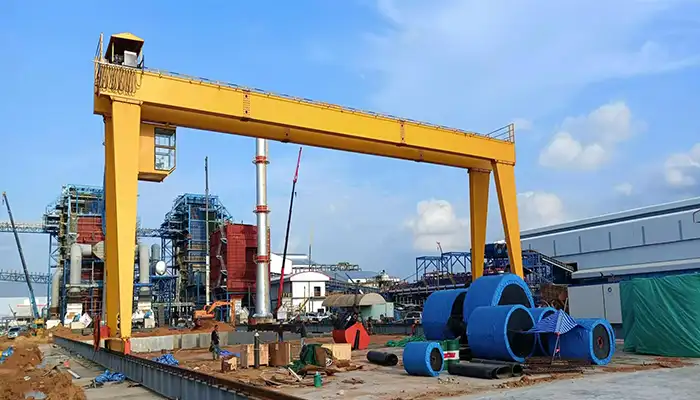
box girder outdoor gantry crane
Challenges in Outdoor Applications
- Wind Load: Large spans catch wind like sails, which can destabilize poorly designed cranes.
- Weather Exposure: Corrosion, electrical issues, and wear accelerate if the crane isn’t built for outdoor use.
- Heavy and Irregular Loads: Outdoor yards often handle oversized or unevenly distributed loads, requiring robust engineering.
Purpose of This Checklist
This guide helps you evaluate suppliers in a practical, step-by-step way. It’s designed to answer questions that matter most:
- Can this supplier provide cranes that last in harsh outdoor conditions?
- Do they have the experience and technical knowledge to handle your specific needs?
- Will they support installation, maintenance, and future repairs reliably?
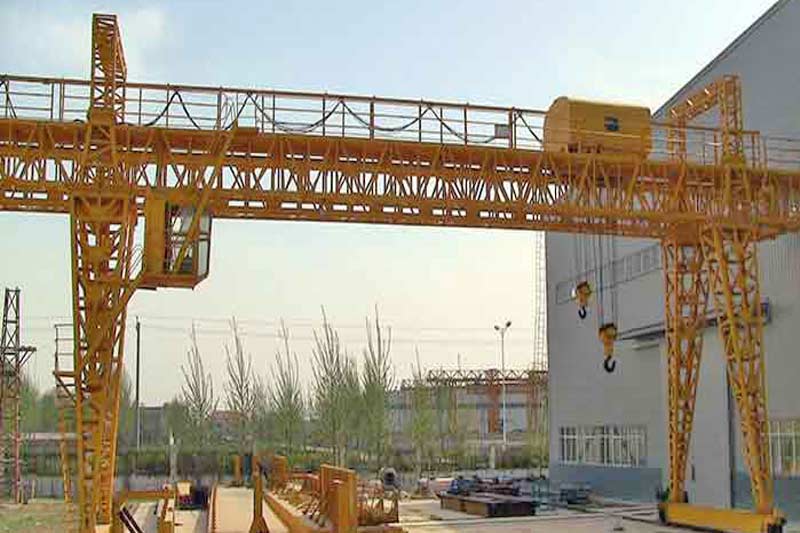
truss girder outdoor gantry cranes for sale
Supplier Background and Reputation
Before you even look at technical specifications, it's important to understand the company behind the crane. A supplier's background and track record can tell you a lot about the quality of their products and the reliability of their service.
- How long has the company been manufacturing cranes? Experience matters. A supplier with decades in the business has likely faced a variety of operational challenges and learned how to solve them.
- Look for a history of building outdoor gantry cranes specifically. Not all crane manufacturers have expertise in outdoor applications with wind, weather, and heavy-load considerations.
- Check if the company has completed projects similar to yours in terms of span, load, and environment.
- Ask the supplier for references from customers who purchased outdoor gantry cranes.
- Reach out to these clients and ask practical questions: How long has the crane been in service? How responsive was the supplier when maintenance or support was needed?
- Request photos or case studies showing installed cranes in real outdoor conditions. This can give a realistic sense of quality and durability.
- Ensure the supplier complies with international and local standards, such as ISO or CE certification.
- Check if they follow local engineering codes for outdoor structures, especially for wind and seismic loads.
- Certifications indicate that the company maintains quality control and consistent manufacturing practices, which reduces the risk of structural failure.
- Don't rely solely on what the supplier says; check independent reviews and feedback online.
- Case studies can provide insight into how the supplier handled specific challenges, such as large-span cranes or extreme weather conditions.
- Look for patterns in feedback. Are multiple clients praising their installation support, responsiveness, and product longevity? Or are there recurring complaints?
Product Quality and Design
When evaluating outdoor gantry cranes, the overall design and material quality are just as important as the supplier's reputation. A crane that looks strong on paper might underperform if it's not engineered for the real-world conditions of your yard. Let's break down the key aspects to consider.
Before investing, it's important to make sure the crane is designed to meet the structural and safety standards required for outdoor use. Regulatory compliance ensures that the crane can handle environmental stresses without risk of failure.
- Wind, Seismic, and Corrosion: The crane should be engineered to withstand local wind loads, seismic conditions, and exposure to rain or snow.
- Proof of Compliance: Request structural calculation reports and certifications to verify the crane meets both international and local engineering standards.
- Safety Assurance: A compliant crane reduces the risk of structural failures, protecting both personnel and equipment.
Different crane designs behave differently under outdoor conditions, so it's crucial to know what options your supplier provides. Each type has unique strengths and limitations.
- Truss Gantry Cranes: Lighter and designed to handle wind loads effectively, making them suitable for large outdoor yards.
- Box Girder Gantry Cranes: Offer higher rigidity and better performance for extremely heavy loads but may be more affected by wind pressure.
- Choosing the Right Type: Understanding the pros and cons of each type helps you select the crane best suited to your site conditions and lifting needs.
The steel, coatings, and surface treatments used in the crane significantly affect its durability. Poor material selection can lead to corrosion, wear, and increased maintenance.
- Steel Grade: Make sure the steel can handle heavy-duty operations without bending or fatigue.
- Anti-Corrosion Treatment: Check if the steel has proper rust protection, such as galvanization or high-quality paint coatings.
- Surface Coating: Protective layers extend the crane's lifespan and reduce ongoing maintenance costs, especially in harsh outdoor environments.
Every yard has unique challenges—ground conditions, load types, and operational needs differ. A supplier who offers customization ensures the crane fits your workflow rather than forcing you to adapt.
- Adjustable Design: Span, height, and lifting capacity should be adaptable to your specific requirements.
- Special Features: Ask if the supplier can design solutions for uneven ground, unusual load sizes, or unique operational patterns.
- Operational Efficiency: Customized cranes improve safety and productivity by matching your yard's exact needs.
Technical Expertise and Engineering Support
A crane's design is only as good as the engineering behind it. Even a high-quality crane can fail if the supplier doesn't have the technical knowledge or experience to properly design and support it. Evaluating a supplier's technical expertise is critical, especially for outdoor gantry cranes exposed to wind, weather, and heavy loads.
A strong engineering team is a sign that the supplier can handle complex challenges. They should have hands-on experience with outdoor gantry crane projects similar to yours.
- Experienced Engineers: Ask about the team's experience with outdoor applications, wind-resistant designs, and heavy-duty operations.
- Project Portfolio: Review past projects to see if they have successfully delivered cranes under similar conditions.
- Problem-Solving Capability: Experienced engineers can anticipate potential issues and offer practical solutions before construction begins.
Detailed drawings and calculations are essential for ensuring the crane will perform safely and reliably. Without this information, it's difficult to verify design quality.
- Technical Drawings: Request comprehensive schematics, including dimensions, materials, and key components.
- Load Calculations: Confirm that the supplier can provide precise load and stress calculations for your specific lifting requirements.
- Accuracy Matters: Proper documentation helps prevent costly mistakes during fabrication, transport, and installation.
Outdoor cranes face environmental stresses that indoor cranes rarely encounter. The supplier should demonstrate that their cranes can withstand these forces.
- Wind Load Analysis: Ensure the crane's structure is tested and calculated to resist local wind conditions.
- Heavy-Duty Testing: Check that the design can handle the maximum expected loads without bending or instability.
- Safety First: Structural analysis reduces the risk of accidents and ensures long-term reliability in outdoor environments.
Every yard and operation is different. A supplier who can customize the crane's span, height, and lifting capacity will help you optimize efficiency and safety.
- Adaptable Designs: Ask if the crane can be modified to suit uneven ground, special load types, or unique operational patterns.
- Tailored Solutions: Custom features can include reinforced girders, extra-height hooks, or variable lifting mechanisms.
- Practical Advantage: Customization ensures the crane fits your operational needs perfectly rather than forcing you to adjust your workflow.
Manufacturing and Production Capabilities
A strong supplier should not only have great designs but also the production capability to deliver them reliably. For outdoor gantry cranes, manufacturing quality and capacity directly affect the crane's performance, durability, and safety. Evaluating these aspects helps ensure your investment is in good hands.
The size and capability of a supplier's factory matter, especially for large outdoor gantry cranes. A supplier with modern equipment and sufficient space is more likely to deliver high-quality products on time.
- Production Scale: Check if the factory can handle large spans, high-capacity cranes, and multiple orders simultaneously.
- Advanced Equipment: Verify whether they have heavy-duty welding machines, cutting tools, and assembly facilities suitable for large outdoor structures.
- Reliability: A well-equipped factory reduces delays and ensures consistent product quality.
Even the best design can fail if quality control is lacking. Robust procedures ensure each crane meets specifications before leaving the factory.
- Inspection Stages: Ask about checks at every stage—steel fabrication, assembly, painting, and final testing.
- Testing Methods: Confirm if the supplier performs load testing and operational checks for each crane.
- Consistency: Strong QC procedures prevent defects and ensure cranes perform safely under real-world outdoor conditions.
Sometimes your yard or operation has unique requirements, such as extra-large spans or unusually heavy loads. The supplier should have the flexibility to meet these demands.
- Custom Solutions: Check if they can fabricate cranes beyond standard sizes or capacities.
- Experience with Complex Projects: Ask for examples of past custom projects to verify their expertise.
- Operational Fit: Special orders ensure the crane matches your workflow and environmental conditions perfectly.
Independent verification provides added confidence that the crane meets design and safety standards.
- Third-Party Verification: Ask if the supplier allows inspection by independent engineering or certification bodies.
- Transparency: This shows the supplier is confident in their quality and willing to provide objective proof.
- Peace of Mind: Third-party inspections reduce risk and ensure compliance with local and international standards.
Delivery, Installation, and Logistics
Even the best-designed and manufactured crane won't serve you well if it arrives late, is installed incorrectly, or isn't adapted to your yard. Delivery, installation, and logistics are critical factors that often get overlooked, but they can have a big impact on timelines, safety, and overall project success.
Knowing how long it will take for your crane to be delivered is essential for planning your operations. A reliable supplier should offer predictable lead times and the ability to handle urgent requirements.
- Typical Delivery Times: Ask the supplier for estimated lead times for cranes similar to your requirements.
- Flexibility: Check if they can prioritize urgent projects or adjust schedules for unexpected needs.
- Planning Advantage: Reliable lead times help you schedule yard operations without costly delays.
Outdoor gantry cranes are large, heavy, and often difficult to transport. The supplier's experience in logistics can make a huge difference in avoiding damage or delays.
- Handling Large Components: Verify if they have experience shipping oversized girders, trolleys, or other heavy crane parts.
- Transport Methods: Ask about their preferred methods for road, rail, or sea transportation.
- Damage Prevention: Proper shipping procedures reduce the risk of structural damage before installation.
Even a high-quality crane requires proper installation to perform safely. Some suppliers provide onsite supervision or technical guidance during the assembly process.
- Onsite Assistance: Ask if engineers or technicians can come to your site for supervision.
- Installation Training: Ensure your local staff receives instructions for safe and correct installation.
- Operational Confidence: Proper support minimizes errors and ensures the crane works as intended from day one.
Outdoor yards are rarely perfectly level or uniform. The crane should be adaptable to real-world site conditions.
- Leveling and Alignment: Check if the supplier provides guidance or adjustments for uneven ground.
- Custom Fittings: Ask about solutions for obstacles, slopes, or irregular surfaces in your yard.
- Long-Term Safety: On-site adjustments ensure smooth crane operation and reduce wear over time.
Proper attention to delivery, installation, and logistics ensures that your outdoor gantry crane will arrive on time, be installed safely, and function effectively under the conditions of your yard.
After-Sales Service and Support
Buying a crane doesn't end when it leaves the factory. Good after-sales support is critical to keeping your outdoor gantry crane running safely and efficiently over its lifetime. A supplier who offers reliable service can save you time, money, and headaches.
A clear and comprehensive warranty shows the supplier stands behind their product.
- Duration and Scope: Ask how long the warranty lasts and what components it covers.
- Limitations: Make sure you understand exclusions or conditions that might void the warranty.
- Peace of Mind: A strong warranty protects your investment against early failures or manufacturing defects.
Even high-quality cranes need replacement parts from time to time. Quick access to parts minimizes downtime.
- Stocked Components: Check if commonly worn parts are readily available.
- Lead Times: Ask how long it typically takes to receive replacement parts.
- Operational Continuity: Short lead times help avoid prolonged production stoppages.
Your team should know how to perform routine inspections and basic maintenance. Training from the supplier ensures this happens correctly.
- Hands-On Training: Look for suppliers who provide on-site or virtual training sessions.
- Operational Guidance: Training should cover daily inspections, lubrication, and minor troubleshooting.
- Efficiency and Safety: Well-trained staff can prevent issues before they become serious problems.
Technical support doesn't always need to be on-site. Many suppliers offer remote guidance to quickly solve problems.
- Virtual Assistance: Confirm if engineers can troubleshoot issues via video calls or remote diagnostics.
- Availability: Check the hours and responsiveness of their support team.
- Quick Resolution: Remote support reduces downtime and keeps your crane running smoothly.
Safety and Compliance
Safety should never be an afterthought when choosing an outdoor gantry crane. A supplier who prioritizes safety and compliance protects both your workers and your investment.
Cranes must comply with laws and standards that govern industrial equipment and outdoor structures.
- Regulatory Compliance: Verify the crane meets local safety regulations and international standards such as ISO or CE.
- Inspection Records: Ask for documentation showing compliance and past inspections.
- Confidence in Safety: Compliance ensures the crane can be used legally and safely in your yard.
Modern outdoor gantry cranes should include built-in safety features to prevent accidents.
- Anti-Collision Systems: Reduces the risk of crane or load collisions in busy yards.
- Overload Protection: Prevents lifting beyond safe limits, protecting both the crane and operators.
- Emergency Controls: Easy access to emergency stops enhances operational safety.
Proper documentation ensures your team can operate and maintain the crane safely and effectively.
- Operation Manuals: Step-by-step instructions for safe daily use.
- Maintenance Guides: Clear guidance on inspections, lubrication, and minor repairs.
- Training Support: Manuals serve as a reference for ongoing staff training and troubleshooting.
Cost Considerations
When buying an outdoor gantry crane, price is important—but it's only one piece of the puzzle. A low upfront cost can quickly turn into higher expenses if maintenance, energy use, or reliability aren't considered. Understanding the full financial picture helps you make a smarter investment.
Knowing exactly what you are paying for avoids surprises later.
- All-Inclusive Quotes: Make sure the supplier provides a breakdown for the crane, installation, and any optional accessories or upgrades.
- Hidden Costs: Ask about charges for shipping, on-site adjustments, or technical support.
- Budget Planning: Clear pricing helps you plan your project without unexpected financial strain.
The purchase price is just the beginning. Long-term costs like maintenance, energy consumption, and replacement parts can significantly impact overall expenses.
- Maintenance Expenses: Estimate routine servicing, part replacements, and inspections over the crane's lifespan.
- Energy Efficiency: Consider cranes that minimize electricity consumption for regular operations.
- Durability and Longevity: Investing in a high-quality crane upfront often reduces repairs and extends service life.
Price alone doesn't indicate the best value. Comparing offers based on both cost and quality ensures you make a practical decision.
- Feature vs. Price: Evaluate what each supplier includes in their quote, including support and warranty coverage.
- Quality Assessment: Consider materials, engineering standards, and past performance alongside cost.
- Long-Term Benefit: A slightly higher upfront price may be worth it if the crane is safer, more reliable, and easier to maintain.
Checklist Summary
After reviewing all the key aspects of outdoor gantry crane suppliers, it helps to have a single, easy-to-use tool that summarizes everything. A checklist or scoring table allows you to compare multiple suppliers at a glance and make an informed decision based on real criteria, not just price or reputation.
Fillable Supplier Evaluation Table
Creating a table with each critical evaluation point allows you to score or note observations for each supplier. This makes comparison straightforward and ensures no important factor is overlooked.
Example Structure:
| Evaluation Category | Key Questions | Supplier A | Supplier B | Notes/Comments |
|---|---|---|---|---|
| Company History | Years in crane manufacturing | |||
| References & Case Studies | Previous outdoor crane projects | |||
| Certifications | ISO, CE, local engineering codes | |||
| Product Quality | Steel grade, coatings, truss/box options | |||
| Engineering Support | Technical drawings, load calculations, custom solutions | |||
| Manufacturing | Factory capacity, QC, third-party inspection | |||
| Delivery & Installation | Lead time, logistics experience, onsite supervision | |||
| After-Sales Support | Warranty, spare parts, maintenance training, remote support | |||
| Safety & Compliance | Safety features, documentation, regulatory adherence | |||
| Cost | Transparent pricing, total cost of ownership, value comparison |
Quick Reference Scoring System
To make evaluation even simpler, assign a score for each category, for example:
- 1 = Poor / Does not meet requirements
- 2 = Acceptable / Meets minimum requirements
- 3 = Good / Exceeds requirements
- 4 = Excellent / Exceeds expectations with added value
Adding up the scores gives a quick snapshot of which supplier is the strongest overall. You can also weight certain categories more heavily if they’re critical for your yard or operation, such as safety or structural design.
Using this checklist ensures a structured, objective approach to choosing a supplier for your outdoor gantry crane. It makes decision-making easier, reduces risk, and helps secure a crane that’s safe, reliable, and tailored to your specific needs.
Conclusion
Selecting the right supplier for an outdoor gantry crane is not a decision to take lightly. A thorough evaluation of a supplier’s experience, product quality, engineering expertise, manufacturing capabilities, and after-sales support can save you from costly mistakes down the line. Taking the time to review these factors ensures that the crane you invest in will meet your operational needs safely and reliably.
Long-term reliability, safety, and return on investment should always be at the forefront of your decision. A well-built crane from a trustworthy supplier will minimize maintenance costs, reduce downtime, and provide years of consistent service—even in harsh outdoor conditions. Cutting corners on quality or support may seem cheaper upfront, but it often results in higher expenses and operational headaches over time.
Finally, don’t rely on a single supplier. Consult multiple manufacturers, request references, and verify past projects. Comparing suppliers using a structured checklist, reviewing their certifications, and understanding their ability to handle your specific requirements will help you make a confident choice. In the end, investing in a dependable supplier is an investment in the safety, efficiency, and long-term success of your operations.