Overhead Bridge Cranes 5–20 t for Automotive Laser Welding
Overhead Bridge Cranes (5–20 t) in Automotive Laser Welding: Buyer’s Guide to Efficiency and Safety
Key Takeaways – What Buyers Need to Know
Before diving in, here’s the essence: Choosing the right 5–20 t overhead bridge crane is essential for safely handling heavy automotive panels, improving laser welding precision, and boosting production efficiency. The right crane protects operators, prevents component damage, and integrates seamlessly with automated welding lines.
Key Takeaways:
- Handles heavy car panels, chassis, and large sheet metal safely.
- Ensures precise alignment for high-quality automotive laser welding.
- Reduces manual labor and increases throughput on the production line.
- Supports integration with robotic or automated laser welding systems.
- Long-term ROI through reduced errors, rework, and material damage.
Questions Solved in This Article:
- Which crane type is best for automotive laser welding?
- How to choose the correct capacity for heavy panels?
- What features improve alignment and workflow efficiency?
- How do overhead cranes integrate with automated welding lines?
Why Overhead Bridge Cranes Are Critical for Automotive Laser Welding
In automotive laser welding, you’re dealing with large, heavy panels, chassis sections, and sheet metal that aren’t easy to move by hand. Trying to lift or align them manually is not only slow but also risky. A small mistake—like a misaligned panel—can ruin the weld, cost time, and increase material waste.
That’s where a 5–20 t overhead bridge crane comes in. These cranes are designed for handling heavy automotive components safely and efficiently, while keeping workflows smooth and operators protected.
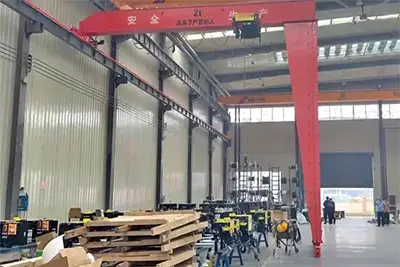
Overhead bridge crane for sale
Practical Benefits of Using Overhead Bridge Cranes in Laser Welding:
- Safe Lifting of Heavy Panels: Eliminates the risk of injury or dropped parts.
- Precise Positioning for Welding: Ensures each panel or chassis section aligns exactly under the laser, maintaining high-quality welds.
- Integration with Automated Lines: Moves components seamlessly along robotic or automated welding stations, reducing bottlenecks and downtime.
By implementing the right crane, manufacturers can cut down on misalignment errors, reduce rework, and protect both workers and valuable car components. It’s not just about lifting—it’s about making the entire welding process smoother, faster, and safer.
Typical Features of 5–20 t Overhead Bridge Cranes
In automotive laser welding, cranes aren’t just lifting machines—they’re precision tools that keep workflows smooth and components safe. Modern 5–20 t overhead bridge cranes are built to handle heavy panels, chassis, and sheet metal while integrating seamlessly into automated lines.
Here’s what makes them ideal for automotive laser operations:
- Double Girder Design: Provides stability for long spans and heavy panels. Keeps the crane rigid even under maximum load, ensuring smooth, controlled movement.
- Hoist Trolley: Moves horizontally with minimal vibration, allowing operators or automated systems to position panels accurately for laser welding.
- Adjustable Hook: Adapts to panels or chassis of different sizes. Whether it’s a small sheet or a large body frame, the hook ensures safe lifting and placement.
- Automation-Ready: Designed to integrate with robotic laser welding systems or conveyor lines. This reduces manual handling, speeds up production, and keeps the workflow consistent.
- Safety Features: Overload protection, emergency stops, and interlocks safeguard both operators and high-value components, giving peace of mind during every lift.
Using a crane with these features reduces manual intervention, prevents material damage, and ensures repeatable precision—critical for maintaining high-quality welds and efficient production lines.
Benefits of Using 5–20 t Overhead Cranes in Automotive Laser Lines
In automotive laser welding, a crane is more than just a lifting tool—it directly impacts efficiency, safety, and product quality. Using a 5–20 t overhead bridge crane helps manufacturers handle heavy panels and components with speed and precision, while reducing the risks and inefficiencies of manual handling.
Key Benefits for Buyers:
- Increased Throughput: Moves large car panels and chassis quickly between laser stations, keeping production lines flowing without unnecessary delays.
- Labor Efficiency: Reduces the need for multiple operators to manually lift or position panels, freeing staff to focus on welding and assembly tasks.
- Precision Alignment: Ensures each car body panel is positioned exactly where it needs to be, improving weld quality and reducing the chance of rework.
- Automation Integration: Can be paired with robotic or automated laser welding systems, creating a seamless workflow and consistent results across all stations.
- Material and Cost Protection: Minimizes panel damage, lowers the risk of mistakes, and prevents production downtime, safeguarding both materials and your budget.
By investing in a properly specified overhead crane, automotive facilities gain safer operations, faster production, and long-term savings, making it a practical choice for high-volume laser welding environments.
Typical Locations in Automotive Laser Welding Facilities
Placing your overhead bridge crane in the right location makes a huge difference. It’s not just about having the crane—it’s about having it where it’s needed most to keep panels moving safely and efficiently along the laser line.
Common Installation Locations:
- Laser Welding Lines: Cranes are used to lift, move, and precisely align large car panels under the laser. Accurate placement ensures consistent welds and reduces rework.
- Sheet Metal Prep Areas: Handles heavy sheet metal as it moves between cutting, forming, or pre-welding stations, reducing manual labor and keeping the workflow smooth.
- Chassis Assembly Zones: Positions entire car frames for laser welding, making sure everything lines up correctly before the robotic or manual welding process begins.
Buyer Tip:
Make sure the runway spans cover the full welding line and allow the crane to move freely without obstructions. Proper placement prevents delays, avoids collisions, and ensures the crane can reach every critical point along the production line.
Choosing the Right Capacity for Automotive Laser Lines
Selecting the right capacity for your overhead bridge crane is one of the most critical decisions for automotive laser welding operations. Too little capacity can lead to overloads or unsafe handling, while too much may be unnecessary and increase costs.
Factors to Consider:
- Panel Weight: Include the weight of car body panels, chassis sections, and large sheet metal components you plan to move. Heavy panels require cranes that can lift safely without strain.
- Lifting Attachments: Add the weight of slings, clamps, magnetic lifters, or other fixtures to the total load. These can significantly increase the lifting requirement.
- Safety Margin: Always allow 10–20% extra capacity beyond the maximum expected load. This accounts for attachments, slight miscalculations, and occasional variations in panel weight.
Practical Tip: For most automotive laser welding applications, a 5–20 t overhead bridge crane covers the majority of car body panels and chassis sections safely, providing reliable performance without overloading.
Buyer Considerations for Overhead Cranes in Automotive Laser Welding
Choosing the right overhead bridge crane isn’t just about lifting capacity. For automotive laser welding, buyers need to consider features and specifications that ensure safety, precision, and workflow efficiency.
Key Factors to Evaluate:
- Load Capacity and Span: The crane must handle the heaviest panels and chassis sections across the full production line. Make sure the runway spans cover all critical points without restricting movement.
- Integration with Automation: Modern laser lines often include robotic welding systems or conveyor integration. A crane that is automation-ready reduces manual handling and improves line consistency.
- Safety Features: Look for emergency stops, overload protection, and interlocks. These protect operators, prevent accidents, and safeguard expensive car panels.
- Precision Handling: Adjustable hooks, smooth trolley movement, and fine positioning are essential for accurate panel alignment, which directly affects weld quality and reduces rework.
Practical Advice: A crane that balances capacity, safety, and precision handling will not only protect your workforce but also optimize production and reduce costly errors.
Why Choose Our 5–20 t Overhead Bridge Cranes
Not all overhead cranes are built for high-volume automotive laser welding. Our industrial-grade 5–20 t overhead bridge cranes are specifically engineered to handle the challenges of modern production lines, combining strength, precision, and safety.
Reasons Buyers Choose Us:
- Long-Span Double Girder Designs: Supports heavy panels and chassis over long welding lines, keeping movement stable and controlled.
- Automation-Ready: Seamlessly integrates with robotic or automated laser welding systems, reducing manual handling and improving workflow efficiency.
- Adjustable Hooks and Hoists: Adaptable to panels of varying sizes, with safety attachments that protect both components and operators.
- Proven Reliability: Trusted in high-volume automotive production, ensuring consistent performance and minimal downtime.
With these cranes, buyers gain safe, precise, and efficient material handling, supporting both manual and automated laser welding operations while protecting valuable car components.
FAQ: Overhead Bridge Cranes for Automotive Laser Welding
When choosing a 5–20 t overhead bridge crane for automotive laser welding, buyers often have similar questions. Here’s a practical guide to help make the right decision:
Q1: Which crane type is best for heavy car panels and chassis?
A: Overhead bridge cranes in the 5–20 t range are ideal. They safely lift large panels, support long spans, and provide the precision needed for accurate laser welding.
Q2: How do I calculate the right crane capacity?
A: Add up the panel weight, lifting attachments (slings, clamps, magnets), and include a 10–20% safety margin. This ensures safe operation and accounts for variations in panel size or weight.
Q3: What features improve alignment and workflow on the welding line?
A: Look for double girder designs, adjustable hooks, smooth hoist trolleys, and automation-ready systems. These features help maintain precise alignment, reduce manual handling, and integrate with robotic or automated welding lines.
Q4: How do cranes reduce labor and increase throughput?
A: By safely and accurately moving heavy panels across the line, fewer operators are needed for lifting and alignment. This speeds up production, reduces errors, and ensures a smoother workflow from start to finish.
Q5: Why is safety a critical factor in choosing a crane?
A: Automotive panels are heavy and expensive. Cranes with overload protection, emergency stops, and interlocks prevent accidents, protect operators, and safeguard high-value components.
Conclusion
Choosing the right 5–20 t overhead bridge crane is more than a purchase—it’s an investment in safety, precision, and efficiency for your automotive laser welding operations. The right crane ensures that heavy car panels and chassis sections are handled safely, positioned accurately, and moved seamlessly along the production line.
Key Takeaways for Buyers:
- Operator and Material Safety: Protects staff and high-value car panels from damage or accidents.
- Precise Alignment: Keeps panels correctly positioned under the laser for consistent, high-quality welds.
- Automation Integration: Works smoothly with robotic or automated welding systems, boosting throughput.
- Reduced Labor and Errors: Minimizes manual handling, lowers the chance of mistakes, and prevents material damage.
By selecting the proper overhead bridge crane today, you’re ensuring your facility runs efficiently, safely, and reliably, while maximizing long-term ROI and scalability for future production needs.