Tips for Cranes on Wheels | Workshop & Warehouse Mobile Lifting
Safety tips for using cranes on wheels in workshops and warehouses. Ensure proper inspection, maintenance, and operator training for safe mobile lifting.
Cranes on Wheels: Practical and Flexible Lifting
Cranes on wheels are portable lifting solutions that make handling heavy loads in workshops and warehouses much easier. Unlike fixed overhead cranes, these mobile units can move wherever you need them. They’re ideal for lifting steel plates, machinery, pallets, or any bulky material without requiring a permanent installation. Their flexibility saves time, reduces manual labor, and keeps operations running smoothly.
Why Safety Matters
Operating a crane on wheels might seem simple, but even minor mistakes can have serious consequences. Overloading, uneven surfaces, or improper handling can lead to accidents, injuries, or equipment damage. Prioritizing mobile lifting safety is essential to protect your team, your materials, and your investment in equipment.
Who Should Read This Guide
This guide is written for:
- Workshop managers who oversee daily lifting operations.
- Warehouse supervisors responsible for material movement.
- Industrial safety officers ensuring workplace safety compliance.
What You’ll Learn
- Step-by-step safety checks before using a crane on wheels.
- Practical operation tips for avoiding accidents.
- Maintenance routines that extend equipment life.
- Staff training advice to ensure everyone follows safe lifting practices.
Cranes on Wheels
What Is a Crane on Wheels?
A crane on wheels is a mobile lifting device designed to move heavy materials across a workshop, warehouse, or light industrial space. Unlike stationary overhead cranes, these cranes can be relocated easily, allowing operators to lift and transport loads wherever they are needed. Their portability makes them a practical choice for spaces where permanent installations aren’t possible or where workflow changes frequently.
Common Types of Cranes on Wheels
There are several types of mobile cranes commonly used in workshops and warehouses:
- Small Lifting Cranes: Compact and lightweight, ideal for lifting small machinery, parts, or pallets. Easy to maneuver in tight spaces.
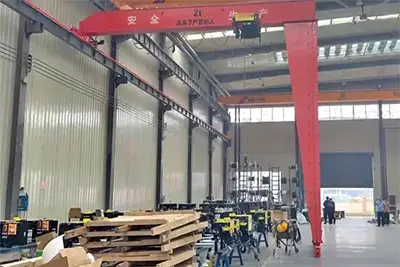
- Mobile Gantry Cranes: Larger structures with adjustable spans, suitable for lifting medium to heavy loads like steel beams, molds, or pallets. Often equipped with manual or electric hoists.
- Portable Aluminum Gantries: Lightweight and corrosion-resistant, these cranes are perfect for quick setup, temporary lifting tasks, or clean environments where steel structures aren’t ideal.
Typical Applications
Cranes on wheels are used in a wide variety of workshop and warehouse scenarios:
- Moving machinery or equipment during assembly or maintenance.
- Loading and unloading pallets, crates, or steel plates.
- Transporting molds, dies, or other manufacturing tools.
- Temporary lifting solutions where space or layout changes frequently.
Advantages Over Fixed Cranes
Using a crane on wheels has several practical benefits compared to fixed overhead systems:
- Mobility: Can be repositioned quickly to suit changing workflows or temporary lifting needs.
- Space Efficiency: No permanent installation required, leaving more floor space free when the crane isn’t in use.
- Flexibility: Adjustable spans, modular designs, and lightweight options make them suitable for many lifting tasks.
- Cost-Effective: Typically lower installation costs compared to fixed cranes, especially for small or mid-sized workshops.
Common Risks and Hazards
Why Understanding Risks Matters
Even though cranes on wheels are designed for convenience, they come with their own set of hazards. Knowing the potential risks helps operators and supervisors prevent accidents, protect equipment, and maintain a safe workspace. In workshops and warehouses, a small oversight can quickly turn into a serious incident.
Key Risks to Watch For
- Overloading and Uneven Lifting: Placing a load that exceeds the crane’s rated capacity is dangerous. Unevenly distributed weight can cause the crane to tilt or the load to swing unpredictably. Always check the weight and balance before lifting.
- Crane Instability or Tipping: Operating on uneven floors, ramps, or slippery surfaces can make the crane unstable. Even a small tip-over can damage equipment and injure personnel. Use level floors and stabilize the crane whenever possible.
- Collisions with People or Obstacles: Mobile cranes move across the floor, sometimes in tight spaces. If operators aren’t careful, the crane or load can strike nearby workers, racks, or machinery. Always clear the path and use spotters in crowded areas.
- Wheel or Track Malfunction: Worn wheels, misaligned tracks, or loose bearings can lead to sudden stops or derailments. Inspect wheels and tracks regularly to prevent unexpected failures.
- Poor Maintenance Leading to Mechanical Failure: Neglecting regular inspections or skipping routine maintenance can compromise brakes, hoists, and other critical components. Mechanical failure under load is a serious hazard that can be prevented with proper care.
Pre-Use Safety Checks
Why Pre-Use Inspections Are Critical
Before operating any crane on wheels, taking a few minutes for a thorough inspection can prevent accidents, downtime, and equipment damage. A small oversight—like a worn wheel or a frayed rope—can quickly escalate into a dangerous situation. Making pre-use safety checks a routine is essential for every workshop and warehouse.
Essential Pre-Use Checks
- Inspect Wheels, Bearings, and Brakes: Check wheels for cracks, flat spots, or excessive wear. Ensure bearings rotate smoothly without unusual noise, and verify that brakes engage properly to hold the crane stationary when needed.
- Check Load Capacity: Always confirm the crane’s rated capacity and ensure the intended load does not exceed it. Remember, an overloaded crane is more likely to tip or damage the hoist.
- Examine the Hoist, Wire Rope, and Attachments: Look for frayed or twisted wire ropes, damaged hooks, or worn slings. Make sure all attachments are secure and in good condition before lifting any load.
- Confirm a Clear, Level Path: Before moving a crane, walk the intended path to ensure it’s free from obstacles, debris, or uneven surfaces. A level floor reduces the risk of tipping and keeps the load stable.
- Verify Safety Markings and Emergency Stops: Make sure all warning labels are visible, and test emergency stop buttons or controls. Operators should know how to quickly halt the crane in case of unexpected movement.
Practical Tip
A simple checklist can make pre-use inspections fast and reliable. Train operators to perform these checks every time the crane is used—no exceptions. It only takes a few minutes, but it can prevent serious accidents and equipment damage.
Safe Operating Practices
Why Safe Operation Matters
Even a well-maintained crane on wheels can become dangerous if it’s not operated correctly. Following safe operating practices protects workers, prevents damage to materials, and ensures smooth workflow. Safety isn’t just a rule—it’s a habit that should guide every lift.
Key Operating Practices
- Proper Crane Positioning Before Lifting: Always position the crane so the load is centered and balanced. Avoid lifting at an angle, as this can place uneven stress on the wheels and hoist, increasing the risk of tipping.
- Securing Loads with Correct Slings or Clamps: Use the right lifting attachments for the load type and weight. Check slings, hooks, and clamps for wear or damage. Make sure the load is stable and evenly distributed before starting any lift.
- Using Spotters in Tight Spaces: When operating in crowded or confined areas, have a spotter guide the movement. They can warn of obstacles, ensure the path is clear, and help maintain safe distances from personnel.
- Operating at Recommended Speeds; Avoiding Sudden Movements: Move loads smoothly and steadily. Abrupt starts, stops, or turns can destabilize the crane or cause the load to swing, creating a hazard for both people and materials.
- Keeping Personnel Clear of Load Path: Never allow workers to walk under suspended loads. Maintain a safe perimeter and make sure everyone nearby is aware when a lift is in progress. Use warning signs or barriers if necessary.
Practical Tip
Encourage operators to treat every lift as if it were the heaviest or most awkward load. Slow, deliberate actions and constant attention to surroundings are far more effective than rushing through a job.
Maintenance and Periodic Inspection
Why Regular Maintenance Is Essential
A crane on wheels is only as reliable as its upkeep. Routine maintenance helps prevent breakdowns, reduces the risk of accidents, and extends the life of the equipment. Ignoring small issues—like loose bolts or worn bearings—can quickly turn into serious safety hazards.
Key Maintenance Practices
- Regular Lubrication of Wheels and Bearings: Keep wheels and bearings well-lubricated to reduce friction, prevent overheating, and ensure smooth movement. Check lubrication levels according to the manufacturer’s guidelines.
- Tightening Bolts and Checking Structural Integrity: Inspect the crane’s frame, bolts, and connections for any signs of loosening, cracks, or fatigue. Even small defects can compromise stability under load.
- Electrical System Inspection (For Powered Cranes): If the crane is electrically powered, check wiring, switches, and control panels regularly. Look for frayed cables, loose connections, or malfunctioning controls.
- Documenting Inspection Records: Maintain a log of all inspections and maintenance work. Records help track recurring issues, demonstrate compliance with safety regulations, and guide future servicing.
- Scheduling Professional Servicing for Major Components: Certain parts, like hoists or complex electrical systems, may require professional inspection or repair. Schedule these checks according to manufacturer recommendations or based on operational hours.
Practical Tip
Make maintenance a routine part of daily operations. Even a quick visual check before starting the crane can catch small problems before they become costly safety issues.
Training and Personnel Guidelines
Why Training Matters
Even the safest crane on wheels can be hazardous in untrained hands. Proper training ensures that operators understand the equipment, recognize potential hazards, and respond effectively in emergencies.
Training and Safety Practices
- Certified Operator Training: Ensure all operators are trained and certified in mobile crane safety. They should understand weight limits, proper lifting techniques, and emergency procedures.
- Safety Briefings and Workshops: Conduct regular safety meetings to refresh knowledge, review incidents, and discuss best practices. Include hands-on demonstrations whenever possible.
- Clear Signage and Floor Markings: Mark crane pathways, lifting zones, and hazard areas clearly. Signage helps prevent accidental entry into dangerous areas and guides safe operation in busy workshops or warehouses.
- Emergency Procedures for Incidents or Load Drops: Establish clear protocols for handling emergencies, such as a dropped load or mechanical failure. Train staff on evacuation routes, first aid, and reporting procedures.
Practical Tip
Safety isn’t a one-time lesson—it’s ongoing. Reinforce training regularly and encourage operators to stay alert, follow procedures, and communicate clearly with coworkers.
Additional Safety Tips
Extra Precautions for Safe Operation
Beyond routine checks and proper operation, there are additional steps that can further reduce risks when using cranes on wheels. These practical tips help adapt the crane to different environments and ensure safe lifting under varying conditions.
Key Safety Tips
- Choosing the Right Wheel Type for the Floor Surface: Different floors require different wheels. Hard floors may need softer or rubber-coated wheels to reduce noise and prevent floor damage, while uneven or rough surfaces may require larger, reinforced wheels for stability. Selecting the correct wheel type improves mobility and reduces the risk of tipping.
- Avoiding Operation on Slopes or Uneven Ground: Cranes on wheels are designed to operate on level surfaces. Using them on slopes or uneven floors increases the chance of tipping and load instability. Always check the floor conditions before moving the crane.
- Considering Weather Conditions for Outdoor Movement: If the crane is used outdoors, factors like rain, ice, or strong winds can affect stability and traction. Take extra precautions and, if necessary, delay lifting operations during adverse weather conditions.
- Using Safety Chains or Stabilizers if Needed: For heavy or awkward loads, additional safety measures such as stabilizers or safety chains can prevent tilting or accidental movement. These small additions can make a big difference in high-risk lifting situations.
Practical Tip
Think ahead before every lift. A quick evaluation of the floor, weather, and load characteristics can prevent accidents and ensure smoother, safer crane operation.
Conclusion
Key Takeaways on Crane Safety
Cranes on wheels are versatile, practical tools for workshops and warehouses, but their safety depends on careful operation and regular maintenance. From pre-use inspections to routine servicing, each step plays a crucial role in preventing accidents and protecting both personnel and equipment.
Proactive inspection, proper training, and strict adherence to safety protocols are not optional—they are essential. Well-informed operators and supervisors can spot potential hazards, handle loads safely, and respond quickly if issues arise.
When selecting a crane on wheels, it’s always wise to consult suppliers or manufacturers. They can provide guidance on the right type of crane for your specific floor, load requirements, and operational needs. Asking questions about wheel types, load capacities, and maintenance routines ensures safer, more reliable operations.