How to Choose the Right RTG Crane for Port Efficiency
How to Choose the Right RTG Crane for Your Port: Ton Capacity vs Yard Efficiency
Introduction
Choosing an RTG crane is not just about the maximum tonnage—it’s about matching crane capacity to your yard layout and container throughput. Pick the wrong tonnage, and your yard might end up slower than expected, or you could be spending way more than necessary. The goal is efficiency, not just raw lifting power.
What RTG Cranes Bring to Modern Terminals
Rubber-Tyred Gantry (RTG) cranes are the backbone of container yard operations. They’re designed to stack containers high, move across lanes, and operate in tight spaces. Unlike fixed gantries, RTGs can travel along rails in your yard, giving flexibility in organizing stacks and optimizing storage. They come in various lifting capacities—from 40 ton RTGs handling standard containers to 50 ton and twin-lift RTGs for heavier or multiple-container lifts.
- RTGs can lift and move containers without the need for permanent overhead structures.
- They allow dense stacking, which maximizes yard space in busy ports.
- Twin-lift RTGs double your lifting capability for certain operations without adding extra cranes.
Common Mistakes in RTG Crane Selection
Many terminal planners focus on the headline tonnage and assume bigger is always better. That’s where problems creep in. Over-specifying tonnage may mean higher upfront costs and increased energy use. Under-specifying can slow your yard and reduce throughput. And in some cases, the wrong crane disrupts traffic flow, creating bottlenecks for trucks and other cranes.
- Over-sized cranes: High lifting capacity may not match average container weights, leading to idle time.
- Under-sized cranes: Cannot handle peak loads, forcing operators to wait or split lifts.
- Ignoring yard layout: Lane widths, turning space, and stacking height all affect crane efficiency.
In short, the right RTG choice balances lifting needs with operational reality. It’s about moving containers smoothly and keeping the yard productive—not just lifting the heaviest loads possible.
Why RTG Crane Selection Matters
Choosing the right RTG crane goes far beyond just looking at the maximum tonnage. A crane that doesn't fit your yard layout or handling needs can slow operations, increase costs, and even create safety issues. Let's break down why this decision is critical from three key angles: operational impact, economic considerations, and strategic planning.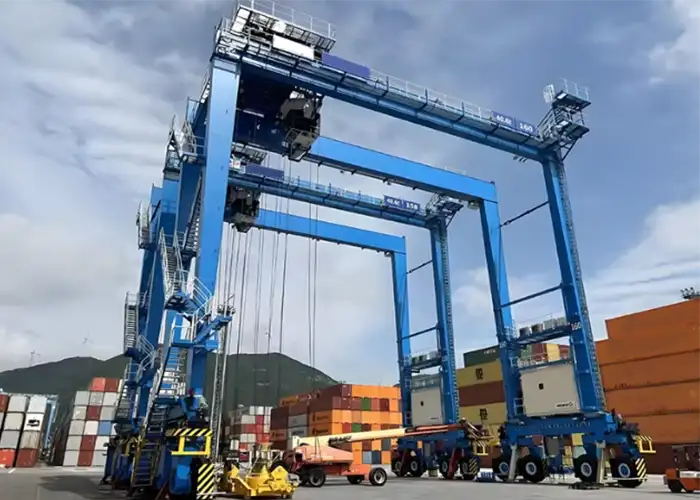
RTG gantry crane for container handling
Selecting the wrong tonnage for your RTG can have immediate effects on yard productivity. Too small, and the crane struggles to handle peak loads. Too large, and it may sit idle for much of the day, wasting space and resources.
- Bottlenecks in container handling: If an RTG cannot lift the required weight efficiently, containers may queue up, delaying trucks and other equipment.
- Underutilized equipment: Oversized cranes might be capable of lifting more than your typical container load, but that doesn't help if most containers are lighter. The crane spends more time moving without lifting than actually improving throughput.
- Yard traffic disruption: Large cranes require wider lanes and more turning space. If your yard isn't designed for them, you risk congestion, slower travel times, and more operational coordination challenges.
Practical takeaway: The crane's capacity should match not just the heaviest container, but the normal daily handling profile in your terminal.
The costs of RTG cranes extend far beyond the initial purchase price. Choosing oversized equipment can dramatically increase operational expenses, sometimes without any real efficiency gain.
- Higher cost per lift: Bigger cranes consume more energy and may require multiple operators or additional safety measures. If your yard rarely hits the maximum lift, the cost per container moved rises unnecessarily.
- Increased energy use: Larger motors, heavier structures, and twin-lift capabilities all draw more power. This adds up quickly in busy terminals operating 24/7.
- Maintenance scaling: More complex cranes need more frequent inspections, specialized parts, and higher service costs. Even a small misalignment or downtime on a heavy RTG can halt operations longer than a lighter crane would.
Practical takeaway: Matching crane size to real operational demand helps control CAPEX, OPEX, and overall lifecycle costs.
RTG crane selection is not just about today's yard. Terminal planners must consider future growth, peak traffic periods, and expansion plans.
- Peak demand readiness: Even if your current container mix is light, anticipate seasonal or market-driven surges to avoid needing emergency rentals or upgrades.
- Terminal expansion: Lane additions, stacking height increases, and new blocks may require higher capacity cranes or twin-lift options. Choosing flexible equipment now can save costs later.
- Integration with other equipment: RTGs work alongside reach stackers, straddle carriers, and automated guided vehicles. Misaligned crane capacity can reduce the efficiency of the entire yard ecosystem.
Practical takeaway: Think long-term. Align crane specs with both your current throughput and your projected yard expansion to maximize ROI and minimize disruptions.
RTG Crane Tonnage
Choosing the right RTG crane starts with understanding what "capacity" really means. It's easy to look at the label—40 ton, 50 ton, or twin-lift—and assume that bigger is automatically better. In reality, the right choice depends on your typical containers, yard density, and operational peaks.
RTG cranes are generally classified by their maximum lifting capacity per lift:
- 40 ton RTG: Ideal for terminals handling mostly standard 20-foot or 40-foot containers with average weights. They offer a balance of speed, energy efficiency, and lower operating costs.
- 50 ton RTG: Suited for yards handling heavier containers, high-density blocks, or occasional 45–50 ton lifts. Provides extra capacity for flexibility but comes with higher energy and maintenance costs.
- Twin-lift RTG: Can lift two containers at once, doubling throughput in busy operations. Often used in high-volume ports where reducing truck wait time and maximizing lane utilization is critical.
Single-lift vs Twin-lift:
- Single-lift cranes handle one container per cycle. They are simpler, cheaper, and easier to maintain.
- Twin-lift cranes move two containers simultaneously, which can cut handling time but requires stronger structures, reinforced roads, and careful yard planning.
Practical takeaway: Don't just focus on the maximum tonnage. Look at what the crane can realistically lift per cycle, per hour, and how it fits into your yard layout.
Several operational factors affect which RTG tonnage is best for your terminal:
- Average container weight vs maximum lift weight: Most containers won't hit the crane's max capacity every day. Picking a crane based on peak weight alone can lead to over-investment. Consider the typical load to maximize efficiency.
- Peak operation loads and yard density: In densely stacked yards, crane speed and lifting height may matter more than raw tonnage. A lighter crane moving quickly through the lanes can outperform a heavier, slower crane in productivity.
- Seasonal traffic surges or container mix variability: If your terminal sees seasonal peaks or handles a mix of standard and heavy containers, having a crane with a little extra capacity can prevent bottlenecks—but plan carefully to avoid underutilization during quieter periods.
Practical takeaway: Match crane capacity to both your everyday operations and peak demands. The goal is smooth, predictable container flow, not just lifting the heaviest container occasionally.
Assessing Yard Layout & Operational Flow
Even the most capable RTG crane can underperform if the yard isn't properly prepared. Understanding the physical layout and operational flow of your terminal is just as important as selecting the right tonnage. Small differences in lane width, stacking height, or travel paths can have a major effect on efficiency.
Before choosing a crane, it's important to evaluate the physical constraints of your yard. The crane's size and lifting height must align with how containers are stored and moved. Consider these critical design factors:
- Lane width: RTGs need enough space to travel safely between stacks. Narrow lanes can slow movement and increase the risk of collisions.
- Block height: Taller stacks require cranes capable of reaching the top containers safely. If a crane can't reach the upper levels, it slows operations.
- Stacking density: High-density stacking maximizes storage but requires precise crane alignment. Too much density without proper crane capacity creates delays.
- Roadway and travel paths: Smooth, level, and unobstructed paths allow cranes to move efficiently. Uneven or tight turns reduce speed and increase wear on tires and structures.
Practical takeaway: The yard layout should guide crane selection. A smaller, faster crane may perform better in a tight or complex yard than a larger, slower crane.
Once the yard layout is clear, the next step is to examine how cranes interact with daily operations. Efficient container handling requires careful planning of speed, timing, and coordination:
- Crane speed vs throughput: Align lifting and travel speeds with expected container movements. A crane with high tonnage but slow cycle times can bottleneck operations.
- Adjacent RTG interference: Multiple cranes operating near each other need careful spacing and timing to avoid conflicts. Poor coordination reduces yard efficiency.
- Truck and equipment traffic: RTGs share space with trucks, forklifts, and reach stackers. Proper travel paths help avoid congestion and keep containers moving smoothly.
Practical takeaway: Even the most powerful RTG can underperform if operational flow isn't considered. Crane selection must factor in interactions with other equipment.
To illustrate the impact, consider a terminal that installed 50 ton RTGs in a yard designed for lighter 40 ton cranes.
- Lanes were too narrow for the larger cranes, slowing travel and causing minor collisions with container corners.
- Top-tier stacks were difficult to reach, forcing operators to wait for lighter loads to clear first.
- Overall throughput dropped by 12–15%, even though the cranes could lift heavier containers.
Practical takeaway: Proper RTG selection is about more than lifting capacity. Matching crane size to yard layout and workflow keeps operations smooth, reduces delays, and prevents unnecessary wear.
Balancing Capacity with Yard Productivity
Choosing the right RTG crane is about more than just lifting the heaviest containers. It's about keeping your yard moving efficiently. Sometimes a smaller, faster crane can handle more containers per hour than a larger one that spends time idling or navigating tight lanes.
It's easy to assume that higher tonnage equals higher productivity, but that's not always the case. The crane's capacity must match the flow of containers in your yard, not just the occasional heaviest load.
- High-capacity cranes aren't always faster: A 50 ton RTG may handle peak containers with ease, but during normal operations or low-density blocks, it can sit idle for significant periods.
- Idle time reduces ROI: Even though the crane is technically capable, its overcapacity doesn't translate into faster throughput if the yard layout or container weights don't fully use it.
Practical takeaway: Evaluate your yard's average container flow to avoid investing in cranes that are too big for everyday needs.
To measure whether your crane is truly productive, focus on practical metrics. These go beyond maximum tonnage and show how well the crane contributes to your yard's overall workflow.
- Moves per hour: The number of containers lifted and stacked per hour reflects real productivity.
- Energy consumption per lift: Larger cranes draw more power. Efficiency isn't just about speed—it's about energy spent moving each container.
- Downtime impact: Maintenance, repairs, or crane interference with other equipment can reduce effective throughput more than insufficient tonnage.
Practical takeaway: A crane with slightly lower capacity but higher moves per hour and lower energy consumption may deliver better yard performance.
For high-volume terminals, twin-lift RTGs can double your throughput for compatible container types. But they require careful planning to ensure gains are realized.
- Boosting productivity: Twin-lift operations are most effective when the yard has high container density, standardized container sizes, and consistent demand.
- Infrastructure requirements: Twin-lift cranes need reinforced beams, wider lane spacing, and strong road surfaces to handle extra weight safely. Improper infrastructure can negate any productivity gains.
Practical takeaway: Twin-lift RTGs can be a major advantage, but only if your yard layout and container handling patterns support them.
Operational Planning Checklist for RTG Selection
Selecting the right RTG crane requires more than looking at maximum tonnage or supplier specs. A structured operational checklist ensures your choice aligns with real yard needs, container flows, and future growth.
Start by understanding the volume of containers your terminal handles today and what's expected in the next 3–5 years. This helps avoid underpowered or oversized cranes.
- Determine average daily container moves and peak periods.
- Analyze seasonal traffic fluctuations and special cargo patterns.
- Include projections for new shipping lines or increased throughput from expansion.
Practical takeaway: Accurate traffic data ensures your crane can meet both current and future demand without unnecessary overspending.
Not all containers are the same. Knowing the typical mix of weights and how they are stacked helps select the right lifting capacity and crane type.
- Record the proportion of 20-foot vs 40-foot containers.
- Identify peak container weights versus average weights.
- Check block density and stacking height to ensure crane reach and travel efficiency.
Practical takeaway: Matching crane capacity to the real container profile prevents underutilization or operational delays.
Your RTG crane choice must fit your yard's physical dimensions. Ignoring these constraints can reduce productivity or create safety risks.
- Measure lane widths, turning radii, and stacking heights.
- Note roadway conditions, slopes, and potential obstructions.
- Consider interaction with other cranes and terminal vehicles.
Practical takeaway: A well-matched crane navigates the yard efficiently, reducing delays and avoiding bottlenecks.
Operational efficiency depends on more than just capacity. Speed and handling ability affect throughput directly.
- Review RTG travel and hoist speeds relative to your yard size.
- Compare single-lift versus twin-lift options for your container flow.
- Analyze potential trade-offs between lifting capacity and operational speed.
Practical takeaway: Sometimes a slightly smaller crane that moves faster delivers higher overall throughput.
Budget planning is essential to avoid overspending while ensuring long-term reliability.
- Include purchase cost, installation, and commissioning fees.
- Estimate daily energy consumption and regular maintenance costs.
- Account for spare parts, inspections, and potential downtime.
Practical takeaway: The total cost of ownership often outweighs the price tag. A crane that's cheaper upfront may cost more over time if energy use and maintenance are high.
RTG cranes are long-term investments. Consider flexibility for future yard growth or operational changes.
- Determine if the crane can be upgraded for higher stacks or twin-lift capability.
- Evaluate compatibility with planned lane additions or expanded blocks.
- Ensure infrastructure (roadways, power, foundations) can support larger or additional cranes.
Practical takeaway: Choosing a flexible RTG now avoids costly replacements or retrofits as your terminal grows.
FAQ You May Concerned
Selecting the right RTG crane often raises common questions among port operators, terminal planners, and EPC contractors. Here are practical answers to some of the most frequently asked questions:
Many buyers wonder if a 40 ton RTG is enough or if a 50 ton model is necessary, especially when handling a mix of container sizes.
- 40 ton RTG: Best suited for terminals with mostly standard 20-foot and 40-foot containers of average weight. Offers lower energy consumption, easier maneuverability, and reduced OPEX.
- 50 ton RTG: Appropriate for yards that occasionally lift heavier containers or need extra capacity for peak loads. Be mindful that it consumes more power and may require wider lanes.
Practical takeaway: Match the crane to your typical container weights and yard layout rather than the absolute maximum lift.
Twin-lift RTGs can move two containers at once, but they aren't always the best choice.
- Most cost-effective when container flow is high, container sizes are consistent, and stacking is dense.
- Requires reinforced roadways, wider lanes, and infrastructure that can support heavier loads safely.
- Less effective in low-density yards or with mixed container sizes that prevent efficient twin-lift cycles.
Practical takeaway: Consider twin-lift RTGs only if your yard operations and infrastructure fully support the additional capacity.
Stacking height directly impacts which crane is suitable for your yard.
- Taller stacks require cranes with higher lifting capacity and adequate boom height.
- Insufficient reach can slow operations as containers must be rearranged or handled in multiple cycles.
- Also affects lane spacing and crane travel paths; higher stacks may require slower movement for safety.
Practical takeaway: Align crane lifting height with your maximum stack height to avoid bottlenecks and safety risks.
It might seem counterintuitive, but sometimes smaller RTGs are more productive than larger models.
- In narrow lanes or high-density blocks, smaller cranes maneuver faster and can operate more continuously.
- They may complete more moves per hour even though their maximum lift is lower.
- Larger cranes in tight yards may face travel delays, lane interference, and longer idle times.
Practical takeaway: Operational efficiency often matters more than raw lifting capacity in dense or complex yards.
Recommendations
Selecting the right RTG crane is about more than the number on the spec sheet. It’s about matching crane capacity to your terminal’s actual operations, yard layout, and future growth plans. Making the right choice can improve efficiency, reduce costs, and ensure smooth container flow.
Key Takeaway Summary
Before finalizing any purchase, consider the practical realities of your yard and container handling:
- Align crane tonnage with operational demand: Don’t buy based on the heaviest container alone. Look at your average loads, peak periods, and daily throughput to choose a crane that fits real-world needs.
- Factor in yard layout, throughput goals, and energy efficiency: A crane that moves quickly, navigates lanes effectively, and consumes less energy often delivers higher ROI than one that simply lifts more.
Practical takeaway: the most productive crane is the one that balances lifting power, speed, and operational compatibility.
Consult with Manufacturers for Tailored Solutions
Every terminal has unique challenges—lane widths, stacking patterns, container mix, and expansion plans. Consulting with crane manufacturers helps ensure your RTG selection is customized to your yard, rather than a generic “off-the-shelf” solution.
- Manufacturers can provide site-specific recommendations for lifting capacity, single-lift vs twin-lift options, and energy-efficient designs.
- They can advise on infrastructure requirements, installation planning, and future scalability.
- Tailored solutions reduce downtime, improve operator safety, and maximize throughput from day one.
Practical takeaway: working with a trusted RTG supplier ensures the crane you select meets both your current operations and future growth needs, saving money and avoiding operational headaches.