10 T, 20 T, 50 Ton Billet Cranes for Sale: Types & Industria Uses
Yuantai Solution
Steel billet crane for sale. Types of steel billet handling crane (10, 20, 50 tons), features & applications to enhance steel mill efficiency & safety.
Billet Crane for Sale
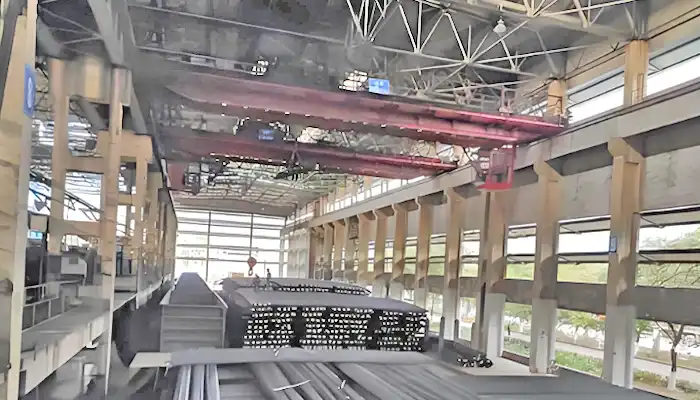
Billet cranes are vital equipment in the steel mill industry. They are used to move billets—large metal bars or ingots—within the production area. These cranes ensure that the billets are safely and efficiently transported during the steel-making process.
|
Crane Type |
Billet Handling Overhead Crane / Gantry Crane |
|
Crane Structure |
Single Girder / Double Girder; Double Girder for Capacities Above 20 ton |
|
Reference Capacity Range |
10–50 ton; Higher Capacities Available for Heavy-Duty Applications |
|
Reference Span Range |
10.5–31.5 m or customized |
|
Reference Lifting Height |
6–18 m or customized |
|
Working Duty |
A5–A7 according to billet handling frequency and operating cycle |
|
Hoisting System |
Electric Wire Rope Hoist / Trolley Hoist |
|
Reference Hoisting Speed |
5–20 m/min |
|
Reference Trolley Speed |
5–30 m/min |
|
Reference Crane Travel Speed |
20–60 m/min |
|
Billet Handling Method |
Single Billets / Billet Bundles / Stacked Billets |
|
Lifting Attachment |
Electromagnetic Lifter / Hydraulic Clamp / Mechanical Clamp / Hook / Customized Spreader |
|
Control System |
Cab Control / Wireless Remote Control / Semi-Automatic / Automatic Control |
|
Positioning System |
Manual Positioning or Automatic Positioning with Sensors and PLC |
|
Speed Control |
Single-Speed or Variable-Frequency Drive Control |
|
High-Temperature Protection |
Heat-Resistant Components and Protection for High-Temperature Billet Handling |
|
Safety Systems |
Overload Protection, Limit Protection, Emergency Stop, Collision Protection and Fail-Safe Control |
|
Operating Environment |
Steel Mills, Casting Workshops, Billet Storage Areas and High-Temperature Production Areas |
|
Power Supply |
380V / 50Hz / 3Ph or customized |
|
Typical Loads |
Steel Billets, Hot Billets, Metal Ingots and Long Steel Products |
|
Typical Applications |
Steel Mills, Casting Workshops, Billet Storage, Billet Transfer, Loading and Unloading, Metalworking and Forging Operations |
|
Final Configuration |
Customized according to billet weight, billet dimensions, lifting height, crane span, handling frequency, temperature, storage layout and required lifting attachment |
Share your billet weight, dimensions, lifting capacity, span, lifting height and handling method with our engineering team. We can help configure a billet crane and lifting attachment suited to your steel handling operation. Get a Billet Crane Solution
Crane Capacities: 10 Ton, 20 Ton, and 50 Ton
Billet cranes come in different sizes based on their lifting capacity:
- 10 Ton Cranes: Ideal for handling lighter billets or smaller operations.
- 20 Ton Cranes: Suitable for medium-sized billets and moderate production needs.
- 50 Ton Cranes: Designed for heavy-duty applications, moving large and heavy billets in high-capacity operations.
The Importance of Choosing the Right Crane
Choosing the right billet crane is crucial for several reasons:
- Efficiency: A crane that matches the workload can improve productivity and reduce downtime.
- Safety: A crane with the wrong capacity can be dangerous, leading to potential accidents or damage.
- Cost-effectiveness: Investing in the right crane saves money in the long run by avoiding overwork or underuse of equipment.
In summary, the crane's capacity should match the specific needs of the operation. This ensures smooth, efficient, and safe transportation of billets in the steel mill.
Types of Billet Cranes for Sale
Billet cranes come in different types, each designed to handle specific tasks. The right type depends on the nature of the operation, the weight of the billets, and the environment in which the crane will be used. Below are the main types of billet cranes:
Overhead Crane for Billet Handling
Overhead cranes are the most common type used for billet handling. They feature a horizontal beam (the girder) that moves along tracks fixed to the ceiling or building structure.
Use Cases:
- Ideal for moving billets within confined spaces.
- Perfect for applications where lifting heights and wide spans are important.
- Suitable for medium to heavy-duty operations, such as lifting billets weighing 10 tons, 20 tons, and even 50 tons.
Gantry Crane for Billet Handling
Description: Gantry cranes are similar to overhead cranes but are supported by legs that run along the ground. These cranes are typically used outdoors or in areas where an overhead track isn't available.
Use Cases:
- Suitable for handling billets in open yards or large, outdoor production areas.
- Often used in large steel mills with extensive outdoor storage for billets.
- Excellent for heavy-duty lifting, including 50 Ton billets, and moving them over long distances.
Electromagnetic Billet Crane
These cranes are equipped with an electromagnetic lifting device, which makes them ideal for handling billets made of ferrous materials (iron, steel, etc.).
Use Cases:
- Used in areas where billets need to be handled quickly and safely without needing additional lifting equipment.
- Perfect for moving hot or molten billets in steel mills where rapid loading and unloading are required.
Clamp Billet Crane
A clamp crane uses hydraulic or mechanical clamps to grip billets securely. This type of crane is designed to handle billets in specific positions without the need for lifting hooks or slings.
Use Cases:
- Suitable for billets that need to be held firmly in place while being moved.
- Often used when billets are too irregular in shape for conventional lifting equipment.
- Ideal for steel plants with high-volume production that requires careful handling of billets.
Heavy-Duty Billet Cranes
These cranes are designed to lift extremely heavy billets, often weighing more than 50 tons. They are built to handle the most demanding tasks and the heaviest loads in the steel industry.
Use Cases:
- Primarily used in large steel mills and manufacturing plants where massive billets are produced.
- Can withstand continuous operation and heavy wear due to their robust design.
Customized Billet Cranes
Customized billet cranes are tailored to the specific needs of a steel plant. These cranes can be designed with special features, such as longer spans, extra lifting capacity, or unique safety systems, to meet particular operational requirements.
Use Cases:
- Perfect for plants with unique or complex operational needs.
- Custom-built to work with specific production schedules, space limitations, or environmental conditions.
- Can accommodate specific lifting needs, from lighter 10 Ton billets to heavy 50 Ton billets, depending on the factory's needs.
Each of these crane types offers distinct advantages depending on the load, environment, and specific requirements of the steel mill or production facility. Choosing the right one is key to ensuring efficient and safe billet handling.
Overhead Crane for Billet Handling
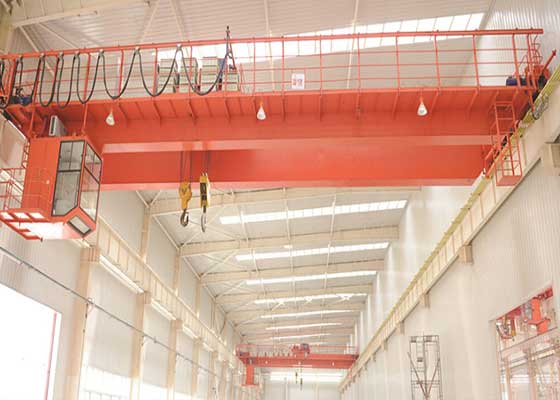
overhead crane for billet handling
Overhead cranes, particularly overhead bridge cranes, are the most common type used for billet handling in steel mills and industrial settings. These cranes feature a horizontal beam, known as the girder, which moves along tracks fixed to the ceiling or structural supports. This design allows for precise and efficient lifting and transport of heavy billets while utilizing the available ceiling space, leaving the floor area free for other activities.
Use Cases
- Ideal for Confined Spaces:Overhead cranes are highly effective in environments with limited floor space. Their design allows them to operate overhead, utilizing vertical space for moving billets, making them perfect for confined areas.
- Lifting Heights and Wide Spans:Overhead bridge cranes can be customized to handle tall lifting requirements and wide spans. This makes them ideal for applications where both height and width are important, such as moving large billets through various stages of production.
Medium to Heavy-Duty Operations:
These overhead cranes are available in a variety of lifting capacities to suit different production needs:
- 10 Ton Capacity: Best for lighter billets and smaller operations.
- 20 Ton Capacity: Suitable for medium-duty applications.
- 50 Ton Capacity: Designed for heavy-duty tasks, such as lifting large and heavy billets.
Why Choose an Overhead Bridge Crane for Billet Handling?
- Space Efficiency:Overhead bridge cranes are ideal for maximizing available workshop space by moving along the ceiling. This design helps free up valuable floor space for other tasks or equipment.
- Versatility:Whether you need to move smaller or heavier billets, overhead cranes can be tailored for a range of lifting capacities, making them suitable for various billet sizes and weights.
- Durability and Reliability:Built to withstand the demanding environments of steel mills, overhead cranes are durable and reliable, providing long-term service with minimal maintenance, ensuring smooth and continuous operations.
In summary, overhead cranes and overhead bridge cranes are the ideal solution for billet handling in steel production. Their ability to handle billets of varying weights—such as 10 tons, 20 tons, and 50 tons—while optimizing space and enhancing operational efficiency makes them an excellent investment for modern industrial facilities.
Gantry Crane for Billet Handling
Gantry cranes are a type of crane similar to overhead cranes, but they are distinguished by being supported on legs that run along the ground rather than tracks mounted on the ceiling. This ground-supported structure provides them with greater mobility, allowing them to travel along the ground and cover large open spaces. Unlike overhead cranes, which are typically confined to indoor settings or structures with overhead tracks, gantry cranes are highly versatile and can be used in a variety of environments, especially where overhead tracks are not feasible.
Gantry crane for billet handling
Use Cases
- Ideal for Open Yards and Outdoor Production Areas:Gantry cranes are commonly used in outdoor environments such as open yards, large outdoor production areas, or in facilities where the available space or infrastructure doesn’t allow for overhead track systems. Their ground-supported design makes them perfect for these kinds of settings.
- Large Steel Mills with Extensive Outdoor Billet Storage:In large steel mills, gantry cranes are often used for handling billets in vast outdoor storage areas. They can easily move billets over long distances, handling the large-scale storage of billets outdoors, especially in areas where traditional overhead cranes may not be an option.
- Heavy-Duty Lifting for 50 Ton Billets:Gantry cranes excel in heavy-duty applications, making them ideal for lifting heavy billets, such as those weighing up to 50 tons. Their robust structure and lifting capacities allow them to move very heavy materials without compromising safety or performance.These cranes are perfect for moving large, heavy billets over long spans and extended distances, which would be difficult for other types of cranes, particularly in outdoor settings.
Why Choose a Gantry Crane for Billet Handling?
- Outdoor Flexibility: Unlike overhead cranes, gantry cranes can operate outdoors without the need for a building structure to support overhead tracks. This makes them a highly flexible solution for outdoor operations, such as billet handling in large open yards.
- Heavy-Duty Lifting Capabilities Gantry cranes can handle very heavy billets, including those weighing up to 50 tons, with ease. Their structure is designed to bear heavy loads over long distances, making them a great option for handling large-scale billet operations.
- Mobility Over Large Areas Gantry cranes are not limited by space or track layout. Their ability to move freely across large outdoor spaces and over long distances allows them to handle billets in expansive storage areas or production zones, enhancing overall operational efficiency.
- Durability and Cost-Effectiveness Gantry cranes are built to withstand harsh outdoor conditions, making them durable in all weather. Additionally, since they don’t require overhead tracks, they are often more cost-effective to install in outdoor or large-scale facilities.
In conclusion, gantry cranes offer significant advantages in outdoor environments where traditional overhead cranes cannot be utilized. Their heavy-duty lifting capacity, mobility over long distances, and ability to handle large billets, such as those weighing 50 tons, make them an ideal choice for large steel mills or open storage areas dealing with heavy-duty billet handling operations.
Electromagnetic Billet Crane for Sale
Electromagnetic billet cranes are equipped with a specialized electromagnetic lifting device, allowing them to pick up and move billets made of ferrous materials, such as iron and steel. These cranes use powerful magnets to securely grip and lift metallic billets, making them highly efficient for handling these types of materials. The electromagnetic system allows for quick and precise movement, reducing the need for additional lifting equipment and improving overall operational efficiency.
Electromagentic overhead crane for billet handling
Use Cases
- Handling Ferrous Materials Electromagnetic billet cranes are ideal for lifting and transporting billets made of ferrous materials (such as iron and steel). The electromagnetic lifting mechanism ensures a strong and secure grip on the billets, preventing slippage or damage during transport.
- Quick and Safe Billet Handling These cranes are designed for environments where billets need to be handled quickly, safely, and efficiently. The magnetic system eliminates the need for additional lifting tools, speeding up operations and reducing the risk of handling accidents.
- Steel Mills and Rapid Loading/Unloading Electromagnetic billet cranes are commonly used in steel mills, especially for the rapid loading and unloading of billets. In steel production environments where speed is essential—such as moving hot or molten billets—these cranes provide a fast, effective solution for handling billets without manual intervention or additional lifting equipment.
Why Choose an Electromagnetic Billet Crane?
- Efficient and Fast The electromagnetic system enables electromagnetic billet cranes to handle billets quickly, increasing throughput and reducing downtime in the production process. This is particularly useful in steel mills where rapid loading and unloading are necessary for continuous production.
- Safe Handling of Hot Billets Electromagnetic cranes are perfect for handling hot or molten billets in high-temperature environments. The magnetic lifting mechanism ensures safe, secure handling without physical contact, reducing the risk of burns or accidents from hot materials.
- Reduced Need for Additional Lifting Tools The built-in electromagnetic system eliminates the need for external lifting tools or accessories, streamlining operations and reducing the need for additional equipment or manual labor.
- Precise and Reliable The electromagnetic lifting system offers precise control over the billets, ensuring safe and accurate placement during transport. This increases operational safety and efficiency, reducing the risk of damage to the billets or surrounding equipment.
In conclusion, electromagnetic billet cranes offer a highly efficient and safe solution for handling ferrous material billets, especially in environments like steel mills where rapid movement and high-temperature handling are required. Their ability to lift and transport billets without additional lifting tools makes them a valuable asset in industries that need to move billets quickly and safely.
Clamp Billet Crane

A clamp billet crane utilizes hydraulic or mechanical clamps to securely grip and hold billets during transportation. Unlike conventional cranes that use hooks or slings for lifting, this crane type employs specialized clamps designed to tightly hold billets in place. The clamp mechanism provides enhanced control over the billets, preventing shifting or damage during handling, particularly in situations where precise and stable lifting is essential.
Use Cases
- Firmly Holding Billets in Place:Clamp billet cranes are ideal for situations where billets need to be held securely in a specific position while being moved. The clamps provide a firm grip, ensuring that the billets remain stable and don’t slip or fall during transport.
- Handling Irregularly Shaped Billets:These cranes are especially useful for handling billets that may not have a standard, uniform shape. For billets that are too irregular for traditional lifting hooks or slings, the clamp crane ensures a tight and stable hold, making it easier to move them without risk of damage.
- High-Volume Steel Plant Operations:Clamp billet cranes are perfect for steel plants with high-volume production needs. In environments where billets are constantly being moved, this crane provides an efficient solution for handling large numbers of billets with precision and safety.
Why Choose a Clamp Billet Crane?
- Secure Handling:The hydraulic or mechanical clamp system provides a secure and tight grip on billets, ensuring they are firmly held in place during transport. This is especially beneficial when handling irregularly shaped or heavy billets that require extra stability.
- Versatility in Handling Irregular Shapes:Unlike traditional cranes that rely on hooks or slings, clamp billet cranes are designed to work with billets that don’t conform to standard shapes. The clamps can easily adjust to the billet’s contours, allowing for flexible and secure handling.
- Improved Efficiency in High-Volume Environments:These cranes are ideal for steel mills and plants with high production volumes, where billets need to be moved quickly and safely. The clamp mechanism ensures that billets are securely gripped, preventing any mishandling during the movement process.
- Reduced Risk of Damage:By securely gripping billets without the use of hooks or slings, clamp billet cranes reduce the risk of damage to the billets, especially when dealing with irregular or delicate materials. This enhances the overall safety of operations.
clamp billet cranes offer a highly efficient and secure solution for handling billets that require firm grip and stability during movement. Their ability to handle irregularly shaped billets and their suitability for high-volume steel plants make them an essential tool in industries where precise and careful billet handling is crucial.
Heavy-Duty Billet Cranes
Heavy-duty billet cranes are engineered to handle the toughest lifting tasks in the steel industry. These cranes are designed to lift extremely heavy billets, often exceeding 50 tons in weight. Built with robust materials and powerful lifting mechanisms, these cranes are capable of withstanding the demanding environment of steel production. They are specifically constructed to operate under the most challenging conditions and are reliable for long-term use in large-scale production settings.
Use Cases
- Large Steel Mills and Manufacturing Plants:Heavy-duty billet cranes are commonly used in steel mills and manufacturing plants where the production of massive billets is a daily requirement. These cranes are designed to efficiently move large billets, often weighing over 50 tons, throughout the production line or storage areas.
- Continuous Operation:These cranes are built to handle continuous, high-frequency operations without compromising on performance. Their heavy-duty construction allows them to endure constant wear and tear while maintaining efficiency and safety in demanding work environments.
- Handling the Heaviest Loads:Heavy-duty billet cranes are essential for lifting and moving extremely heavy billets that cannot be handled by standard cranes. Whether dealing with large steel billets or other heavy materials, these cranes provide the strength needed to lift and transport massive loads safely.
Why Choose a Heavy-Duty Billet Crane?
- Unmatched Lifting Capacity:Heavy-duty billet cranes are designed specifically for heavy lifting, making them ideal for lifting billets over 50 tons and other massive loads. Their powerful lifting mechanisms ensure safe and efficient handling of the heaviest billets in a steel mill.
- Durability and Longevity:Constructed with robust materials, heavy-duty billet cranes are built to last even under constant heavy use. Their design ensures they can withstand wear from continuous operations, making them a long-term investment for high-demand facilities.
- Optimized for High-Volume Production:These cranes are engineered to work in high-volume environments, ensuring they can keep up with the fast-paced operations of large steel mills. Their ability to handle large billets efficiently is crucial for maintaining productivity and minimizing downtime.
Customized Billet Cranes
Customized billet cranes are specially tailored to meet the unique needs of a steel plant. These cranes can be designed with various modifications to accommodate specific production requirements. Whether it’s a longer span, higher lifting capacity, or the addition of advanced safety features, customized billet cranes offer flexibility to adapt to the particular operational conditions of the plant. They can be built to handle a wide range of billet sizes, from lighter 10-ton billets to the heavier 50-ton billets, depending on the plant’s specific needs.
Use Cases
- Plants with Unique or Complex Operational Needs:Customized billet cranes are ideal for steel plants that face unique challenges in their production processes. Whether the facility is dealing with irregular space constraints or specialized operational tasks, these cranes can be designed to fit perfectly within the plant’s specific needs.
- Designed for Specific Production Schedules:These cranes can be tailored to meet the specific demands of a plant’s production schedule, helping improve efficiency and reduce delays. Customized features can be added to optimize the crane’s performance in relation to the plant’s operational requirements.
- Accommodating Different Lifting Needs:Customized billet cranes can be built to handle billets of varying weights, whether it’s lighter 10-ton billets for smaller applications or heavier 50-ton billets for high-capacity operations. The ability to modify lifting capacity ensures that the crane will perfectly match the plant’s production needs.
Why Choose a Customized Billet Crane?
- Tailored for Specific Needs:A customized billet crane is designed specifically to meet the needs of your steel plant, ensuring that it works seamlessly within your unique operational setup. Whether it’s for handling billets of different sizes, unusual space requirements, or specialized safety features, a customized crane provides the flexibility needed for optimal performance.
- Optimized Performance:By designing the crane to fit your specific needs, you can ensure that the equipment works at maximum efficiency, minimizing downtime and improving overall productivity. These cranes can be optimized to handle both lighter and heavier billets, depending on the requirements of the plant.
- Long-Term Investment:A customized billet crane ensures that your equipment will be suitable for both current and future operational demands. With a design tailored to your unique needs, these cranes provide a reliable, long-term solution that can adapt to changing production requirements.
both heavy-duty billet cranes and customized billet cranes offer steel plants powerful and efficient solutions for billet handling. Whether you need to lift massive billets over 50 tons with a heavy-duty crane or require a tailored solution for unique operational conditions, these cranes are built to optimize productivity and safety in your plant.
Key Features of Billet Cranes
When selecting a billet crane, several key features must be carefully considered. These features determine how well the crane will perform in your specific steel mill environment. Below are the most important features to consider:
Load Capacity
Why It Matters: The load capacity of a crane must match the weight of the billets you intend to handle.
- 10 Ton Cranes: Best for lighter billets and smaller operations.
- 20 Ton Cranes: Ideal for medium-duty tasks, such as handling medium-sized billets.
- 50 Ton Cranes: Necessary for lifting heavy billets, especially in larger steel mills.
Choosing the Right Capacity: Picking the wrong crane capacity can lead to inefficiency, potential overloads, and even safety risks. Ensure the crane is up to the task to prevent accidents and ensure smooth operation.
Lifting Height
Determining Lifting Height: The lifting height is the maximum vertical distance a crane can lift. It’s determined by factors like ceiling height, billet size, and required clearance.
- Why It’s Important: A crane with the right lifting height prevents limitations in your workspace. If the crane can’t lift high enough, it won’t be able to handle tall billets or reach higher parts of your production area.
- Balancing Needs: While too little height is problematic, excessive height can lead to unnecessary costs or complexity, especially in low-ceiling environments.
Span
Understanding Span: Span refers to the width of the area the crane can cover, i.e., the distance between the crane’s support points.
- Why It’s Key: A crane with the correct span will allow it to cover the necessary areas of your workshop. Too narrow a span can limit the crane's effectiveness, while too wide can lead to extra costs and space issues.
- Proper Span Selection: Always choose a span that matches the layout of your production area to optimize efficiency.
Speed and Efficiency
Speed Options: Billet cranes come with adjustable speed settings, which control the speed of both lifting and horizontal movement.
- Impact on Productivity: Faster cranes can move billets quickly, speeding up operations and increasing productivity. However, the speed must be balanced with safety to prevent accidents or damage to materials.
- Finding the Right Balance: Choose a speed that enhances workflow without compromising safety. Some cranes offer variable speed settings that can be adjusted according to different tasks.
Safety Features
- Overload Protection: Prevents the crane from lifting loads heavier than its rated capacity. This is essential for preventing accidents and crane malfunctions.
- Limit Switches: Limit switches stop the crane’s movement when it reaches predefined limits, helping avoid overtravel and potential damage.
- Anti-Sway Systems: These systems reduce the swing of the load, helping maintain control of the billet, especially during movement.
- Emergency Stop Button: In case of an emergency, the operator can immediately stop the crane to prevent further danger.
Control Systems
- Manual Control: Provides full operator control over the crane, ideal for smaller operations or tasks that require precision.
- Semi-Automated Control: Combines manual control with some automated features, such as adjustable speed or lifting limits, offering convenience while keeping operator oversight.
- Fully Automated Control: Fully automated cranes perform tasks with minimal human intervention, following pre-programmed paths. This reduces human error and increases overall efficiency, making it ideal for high-volume operations.
Durability and Maintenance
- Construction Materials: Billet cranes are built with high-strength steel and other durable materials that can handle the harsh conditions of steel mills, including high temperatures, heavy loads, and continuous use.
- Maintenance Considerations: Regular maintenance is vital to keep the crane in top working condition. This includes inspecting the lifting mechanism, control systems, and safety features. Proper maintenance ensures the crane lasts longer and performs safely, avoiding unexpected downtime and costly repairs.
By understanding these key features—load capacity, lifting height, span, speed, safety, control systems, and durability—you can choose a billet crane that meets your steel mill’s needs, ensuring smooth operations and enhancing overall productivity.
Applications of Billet Cranes
Billet cranes are versatile and essential in various sectors, particularly in industries where the movement of heavy billets is required. Below are the key applications of billet cranes:
Steel Mills and Foundries
Primary Use in Steel Production:
- Billet cranes are crucial for transporting billets within steel mills and foundries. They help move hot metal billets from one production stage to another, such as from casting to rolling or cooling areas.
- Why It Matters: Efficient movement of billets ensures the smooth flow of the production process, reduces delays, and boosts overall productivity. Cranes in this setting are built to handle high temperatures and heavy loads.
Billet Storage Areas
Role in Moving Billets:
- In storage areas, billet cranes are used to handle and organize billets after they have been produced. They can move billets from storage racks to areas where they are prepared for the next phase of production or shipping.
- Why It’s Important: Properly managing storage helps keep production running smoothly by ensuring that billets are always in the right place at the right time. Billet cranes make it easier to organize and retrieve billets, minimizing downtime.
Casting Workshops
Handling Molten Metal Billets:
- Billet cranes are used in casting workshops to move molten metal billets from the casting area to cooling zones or other parts of the workshop. These cranes are specifically designed to handle the extreme heat of molten metal.
- Why It’s Crucial: Transporting molten billets requires specialized equipment that can withstand the high temperatures and ensure safety during handling. Billet cranes with electromagnetic systems or heat-resistant components are commonly used in these environments.
Heavy Industries
Other Industries Utilizing Billet Cranes:
While primarily used in steel mills, billet cranes also find applications in other industries, such as metalworking, forging, and any process that involves the movement of large metal pieces.
Examples:
- Metalworking: For handling raw metal billets before they are shaped into finished products.
- Forging: Moving billets in forging processes where metal is heated and hammered into different shapes.
Billet cranes play an integral role across various sectors by ensuring the safe, efficient, and smooth handling of billets. Their ability to handle heavy loads, molten metal, and harsh conditions makes them indispensable in these industries.
Factors to Consider When Buying Billet Cranes
When purchasing a billet crane, it’s essential to assess several factors to ensure you select the right equipment for your specific needs. Below are the most important considerations to keep in mind:
Workload and Frequency of Use
Determining Crane Capacity:
The crane’s capacity should be selected based on the expected workload and frequency of use.
- 10 Ton Cranes: Suitable for light-duty operations, such as handling smaller billets or less frequent use.
- 50 Ton Cranes: Ideal for heavy-duty applications, where large billets need to be moved regularly or continuously.
Why It’s Important: Choosing the right crane capacity prevents unnecessary strain on the equipment and ensures it can handle the required load safely, improving both efficiency and lifespan.
Workshop Layout
Space Constraints and Ceilings:
The layout of your workshop is crucial in determining what kind of crane will fit best. Consider factors such as ceiling height, available space, and the span of the crane.
- Ceiling Height: Low ceilings may require a more compact crane design with a lower lifting height.
- Available Space: Tight spaces may require smaller cranes or those with a narrower span.
Why It’s Important: A well-suited crane for the space will maximize the available floor area and ensure smoother operations. A poorly fitted crane can lead to inefficiency and potential safety risks.
Automation vs. Manual Operation
Deciding Between Manual or Automated Systems:
- Manual Operation: Offers more hands-on control and may be suitable for small-scale or less frequent operations.
- Automated Systems: Fully automated or semi-automated cranes can improve efficiency by reducing human error and increasing speed, making them ideal for high-volume operations.
- Why It’s Important: The decision between manual and automated systems depends on factors such as operation scale, budget, and desired efficiency. Automation may involve a higher upfront cost but can deliver long-term savings through improved productivity.
Budget and Cost-Effectiveness
Balancing Cost with Performance:
- Initial Cost: Higher-capacity or automated cranes tend to cost more upfront.
- Long-Term Savings: Investing in higher-quality cranes with good durability can save costs on maintenance and repairs in the long run.
- Why It’s Important: A crane that fits within your budget is essential, but you should also consider the total cost of ownership, including operating, maintenance, and repair costs. Sometimes, spending a little more upfront can deliver better value over time.
Safety Standards and Compliance
Meeting Industry Standards:
- Ensure the crane you select meets all relevant safety standards and regulations in your region. This includes compliance with load limits, safety features (e.g., overload protection, emergency stop), and other operational guidelines.
- Why It’s Important: Adhering to safety standards not only ensures the well-being of workers but also helps avoid accidents, legal issues, and costly fines. Investing in cranes with proper safety features improves overall operational safety and reliability.
By carefully considering these factors—workload, workshop layout, automation options, budget, and safety standards—you can make an informed decision when purchasing a billet crane that suits your steel mill's needs and ensures optimal performance and safety.
Benefits of Billet Cranes
Billet cranes offer several key advantages that can significantly enhance the operations of your steel mill or factory. Below are the main benefits of investing in the right billet crane:
Improved Efficiency and Productivity
Faster Movement:
- Billet cranes streamline the process of moving billets from one stage of production to the next, reducing downtime and speeding up operations.
- Safer Handling: With automated or precisely controlled systems, cranes can move billets more accurately and efficiently, reducing delays and bottlenecks.
Why It’s Important: Faster, smoother movement of billets directly impacts the overall throughput of the facility, improving productivity and ensuring timely production schedules.
Reduced Labor Costs
Automation Reduces Manual Labor:
- Fully automated or semi-automated billet cranes minimize the need for manual handling of billets, cutting down on labor costs.
- Increased Operational Efficiency: Automation also reduces the number of workers required to operate the crane, freeing up staff for other tasks.
Why It’s Important: By reducing the need for manual labor, you can save money on wages and reduce the risk of human error or injury. Automation also ensures more consistent and reliable operations.
Enhanced Safety
Preventing Injuries:
- Billet cranes come with several safety mechanisms, such as overload protection, limit switches, and emergency stop buttons, all of which contribute to safer operations.
- Reduced Risk of Accidents: Automation and remote controls help eliminate the need for workers to manually handle hot or heavy billets, which reduces the chance of injury.
Why It’s Important: Maintaining a safe working environment is essential to prevent accidents, improve worker morale, and comply with safety regulations. Investing in safety features reduces risks and liabilities.
Conclusion
Choosing the right billet crane is essential for smooth, safe, and efficient operations in steel mills and foundries. Whether you're working with lighter billets or heavy-duty ones, the right crane ensures that the billets are moved efficiently while minimizing labor costs and enhancing safety.
Final Considerations:
- When selecting between 10 Ton, 20 Ton, and 50 Ton billet cranes, it's important to match the crane's capacity with the expected workload and facility layout.
- If you’re unsure, it’s always a good idea to consult with experts who can guide you in choosing the best crane tailored to your needs. They can help you make an informed decision based on your specific operational requirements.
Choosing the right billet crane for your operations can significantly improve productivity, reduce costs, and enhance safety, ensuring the long-term success of your facility.